
The Antelope Valley has always been dry—but lately, it’s getting even drier. As climate change ramps up across California, this desert region is feeling the heat in more ways than one. From shrinking snowpacks to unpredictable rainfall, water availability is becoming more uncertain every year.
So, what’s really happening to the water supply in Antelope Valley? And how much of it is linked to climate change? Let’s break it down and look into how this crisis is unfolding—and what can still be done about it.
Shifting Patterns
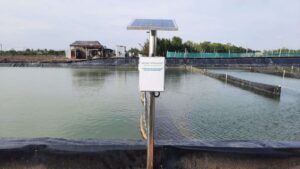
In the past, Antelope Valley relied heavily on imported water from the State Water Project and local groundwater. But climate change is shifting weather patterns statewide, which throws the entire system out of balance.
Snowpacks in the Sierra Nevada Mountains are melting earlier and faster than they used to. That means less snowmelt is available to fill reservoirs in late spring and summer—when demand is highest.
On top of that, California is seeing longer dry spells, shorter rainy seasons, and more extreme heat waves. This all adds up to one thing: less water making it into Antelope Valley’s pipelines, aquifers, and taps.
Groundwater
Groundwater has long been the region’s backup supply, especially during droughts. But over the years, this lifeline has been stretched thin.
With less surface water available due to climate change, more people and farms turn to pumping groundwater. The result? Aquifer levels have dropped dramatically.
And here’s the kicker—climate change also makes it harder to recharge those aquifers. Higher temperatures cause more evaporation, and less rainfall means fewer chances for natural replenishment. This puts Antelope Valley in a long-term deficit.
Agriculture
Agriculture is one of the largest water users in the region, and it’s being hit from all sides. Hotter temperatures increase the water needs of crops, while the available supply is shrinking.
Some farmers are switching to less water-intensive crops or investing in high-efficiency irrigation. Others are fallowing fields—leaving them unplanted—to conserve water.
Still, the economic pressure is real. With climate change limiting water availability, it’s getting harder for local agriculture to survive without major adaptation or financial assistance.
Urban Use
For cities like Lancaster and Palmdale, climate change means preparing for a future where water isn’t guaranteed. Population growth only adds to the pressure.
Residents may face more frequent water restrictions, tiered pricing, and incentives for using less. Urban landscaping is changing too—lawns are out, and drought-tolerant plants are in.
Cities are investing more in recycled water, stormwater capture, and conservation programs. These efforts help, but they can only do so much if the state continues to deliver less water year after year.
Fire Risk
A lesser-known effect of climate change in Antelope Valley is increased wildfire risk. Hotter, drier conditions turn the landscape into a tinderbox.
Why does that matter for water? Because wildfires can pollute water sources, damage infrastructure, and disrupt water delivery. After a fire, runoff can carry ash, debris, and contaminants into reservoirs and streams—further reducing usable water.
So, while fire and water seem like opposites, they’re now part of the same climate-driven crisis.
Solutions
Despite the challenges, local agencies aren’t sitting still. They’re getting creative to keep the taps flowing. Some of the key strategies include:
- Water banking: Storing excess water underground during wet years
- Recycled water expansion: Treating wastewater for landscape and industrial use
- Smart irrigation: Using tech to apply water only when and where needed
- Regional partnerships: Pooling resources and planning across districts
Education is also key. The more the public understands the connection between climate and water, the more likely they are to support conservation—and demand better policies.
Outlook
Climate change isn’t going away, and neither is the water crisis in Antelope Valley. But the region isn’t powerless. With smart planning, local innovation, and community cooperation, it’s possible to adapt to a drier future.
Still, the reality is sobering: the water habits of the past won’t work in the climate of tomorrow. Whether you’re a farmer, homeowner, or policymaker, water awareness is now part of daily life in Antelope Valley.
If nothing else, climate change is teaching us that every drop counts—and that planning for less is the best way to prepare for what’s next.
FAQs
How is climate change affecting water here?
It’s reducing snowpack, rainfall, and increasing evaporation.
Why is groundwater dropping?
More pumping and less rain to refill aquifers.
Can farming survive these changes?
Yes, but only with big adaptations and investments.
What are cities doing to adapt?
They invest in conservation, recycling, and storm capture.
How do wildfires affect water supply?
They pollute water sources and damage infrastructure.