
Water may be abundant in some places, but in California’s Antelope Valley, it’s a precious resource — and knowing your rights to it is essential.
Whether you’re a landowner, farmer, developer, or just a curious resident, knowing how water rights work in this arid region can save you from legal headaches, high costs, or lost access down the line. Let’s break it all down — in plain English — so you know where you stand when it comes to water in Antelope Valley.
Background
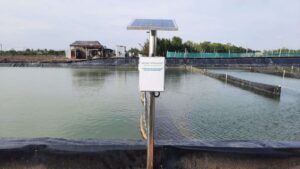
Antelope Valley is a high desert area located in northern Los Angeles County and parts of Kern County. Its dry climate and heavy reliance on groundwater have made water rights a hot topic for decades. The region doesn’t get much rainfall, so most water comes from underground aquifers.
Over the years, population growth, agriculture, and development pushed the limits of the valley’s water supply. As a result, there’s been a long history of legal disputes and efforts to manage water more fairly.
Groundwater
The primary source of water in Antelope Valley is groundwater — water stored in underground aquifers. Many residents and farmers pump this water through wells for drinking, farming, and other uses.

However, due to over-pumping, the groundwater levels started dropping rapidly. That led to land subsidence (sinking ground) and long-term sustainability issues. So, regulators stepped in.
The Adjudication
In 1999, a group of landowners filed a lawsuit to determine who had the legal right to pump groundwater in the valley. This lawsuit, known as the Antelope Valley Groundwater Adjudication, became one of the largest water rights cases in California history.
After years of litigation, a settlement was reached in 2015. The court issued a final Judgment, defining how much groundwater each landowner could legally pump every year.

This court-approved plan divided users into several categories:
| User Type | Rights Granted |
|---|---|
| Overlying Landowners | Rights based on land size and use |
| Non-Overlying Users | Typically cities or public water works |
| Federal Reserve | Rights for federal land and projects |
| Small Pumper Class | Allowed up to 3 acre-feet per year |
If you own land in Antelope Valley and plan to use groundwater, this ruling affects you — even if you’re just using a small well for personal use.
Small Pumpers
A unique part of the Antelope Valley judgment is the Small Pumper Class. This includes individuals who pump less than 3 acre-feet of groundwater per year — about what two homes would use annually.
If you’re a small pumper, you may not need a permit, but you still need to register your well and may be subject to reporting requirements. Ignoring this could land you in legal trouble or lead to fines.
Surface Water
While groundwater is the main source, surface water is also important. Some parts of Antelope Valley get water from the State Water Project (SWP), delivered by the Antelope Valley-East Kern Water Agency (AVEK). This water is typically allocated to cities, industrial users, or large-scale agriculture.
However, access to SWP water is limited, and pricing depends on your location, agreements, and infrastructure. Most residential users rely solely on groundwater or city water systems.
Watermaster
To manage the groundwater basin, the court appointed a Watermaster. This agency ensures users follow the rules outlined in the judgment. That includes tracking groundwater use, approving transfers, and monitoring compliance.
If you plan to pump water, change your usage, or transfer rights, you’ll likely need to go through the Watermaster for approval.
Transferring Rights
Water rights in Antelope Valley aren’t static — they can be leased, sold, or transferred. But it’s not as easy as buying or selling a car. Any transfer must be reviewed and approved by the Watermaster to ensure it doesn’t harm the groundwater basin or other users.
This has created a sort of water market, where some landowners lease unused rights to others who need more. Prices vary depending on demand, availability, and season.
Staying Compliant
Here’s what you should do if you’re a landowner in Antelope Valley:
- Check your water rights: Know how much water you’re allowed to use.
- Register your well: Even small users must follow certain procedures.
- Report usage: Annual reporting may be required depending on your classification.
- Avoid overuse: Going over your allotment could result in penalties.
- Stay in touch with the Watermaster: They provide updates, reports, and forms.
Whether you’re farming or just watering a lawn, it’s your responsibility to stay informed and compliant.
Why It Matters
Water rights affect property value, farming operations, and future development. In Antelope Valley, where every drop counts, knowing the law is just as important as knowing how to dig a well.
If you’re buying land, make sure to ask about existing water rights and any past or current disputes. Don’t assume access to water is guaranteed — it might not be.
FAQs
What is the Antelope Valley adjudication?
It’s a court case that settled groundwater rights for landowners.
Do small well users need permits?
Not always, but they must register and follow usage limits.
Can water rights be sold or leased?
Yes, but transfers must be approved by the Watermaster.
Who manages the water rules?
The court-appointed Watermaster enforces compliance.
How much can small pumpers use yearly?
Up to 3 acre-feet of water without needing a formal right.