
Antelope Valley is no stranger to water challenges. Between long-term droughts, a growing population, and the unpredictable effects of climate change, securing a sustainable water future has become a top priority for local leaders and agencies.
So what does the future of water supply in Antelope Valley actually look like? Let’s look into what’s on the horizon—from smart planning to new technologies and everything in between.
Challenges
Before we talk solutions, let’s be honest about the problems. Antelope Valley faces serious water supply issues that aren’t going away on their own.
- Drought: With less rain and snowpack, both groundwater and imported water supplies are limited.
- Overdraft: Too much groundwater has been pumped over the years, depleting aquifers.
- Population Growth: More people means more water use—for homes, businesses, and agriculture.
- Aging Infrastructure: Old pipelines and systems can waste water and slow down progress.
This mix of issues has pushed the Valley into a position where action isn’t optional—it’s urgent.
Groundwater
Groundwater remains a major part of the water supply, but it can’t be used endlessly. That’s why local agencies have formed a Groundwater Sustainability Plan (GSP) under California’s SGMA law. The goal? Balance how much groundwater is pumped with how much gets naturally or artificially recharged.
Some of the future strategies include:
- Recharging aquifers with stormwater and imported water
- Installing advanced monitoring wells
- Limiting extractions during droughts
This approach ensures groundwater is treated like a long-term investment, not a short-term fix.
Imports
Antelope Valley also depends on water imported through the State Water Project (SWP). But this water isn’t guaranteed. It depends on the Sierra Nevada snowpack and how much water the state allocates each year.
Looking ahead, imported water will still play a big role, but it will need to be used wisely. Agencies like AVEK (Antelope Valley-East Kern Water Agency) are investing in storage and delivery systems that allow for better use of water when it’s available—and better conservation when it’s not.
Diversification
The biggest trend in future water planning is diversification. In other words, don’t rely too heavily on just one source. Here’s what that might look like in Antelope Valley:
| Source | Role in the Future |
|---|---|
| Groundwater | Managed, with recharge |
| Imported Water | Supplemental, variable |
| Recycled Water | For landscaping, industry |
| Stormwater Capture | For recharge and storage |
| Conservation | Always essential |
By spreading out the risk, the Valley becomes less vulnerable to shortages.
Technology
New technology is also shaping the water future. Here are a few examples:
- Smart meters that track household water use in real-time
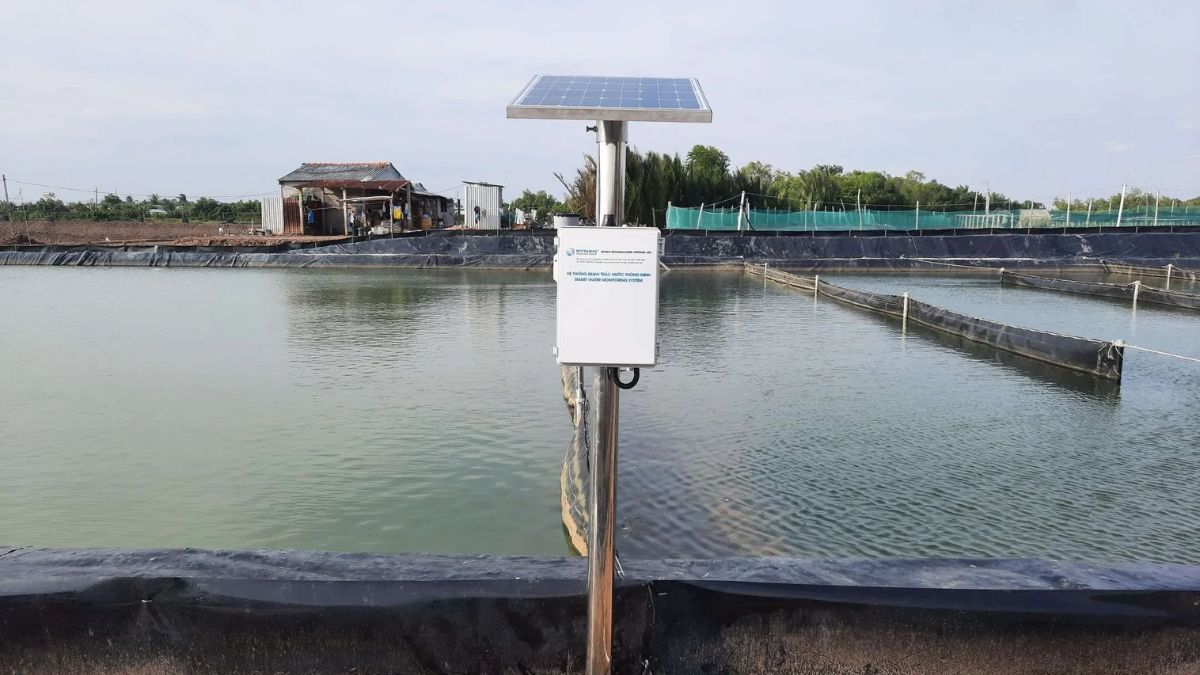
- Leak detection sensors to fix water loss fast
- Drones and AI for monitoring water infrastructure
- Data-driven modeling for better water forecasting
These tools make it easier for agencies and residents to save water without sacrificing quality of life.
Storage
Another key focus is storage—both underground and above ground. Storing excess water during wet years is a major part of long-term strategy.
Projects like groundwater banking and regional recharge basins help stockpile water for dry times. Think of it like putting money in savings during the good years so you’re covered during the lean ones.
Collaboration
The future of water supply won’t be built by just one agency or district. It requires teamwork. Groups like the Antelope Valley State Water Contractors Association (AVSWCA) bring local agencies together to plan, fund, and operate regional projects.
This kind of cooperation makes it possible to share water, apply for bigger grants, and speak with a unified voice at the state level.
Conservation
Let’s not forget the most cost-effective solution: using less water. The future will likely bring tighter restrictions, updated landscaping ordinances, and ongoing public education about conservation.
But it’s not just about using less—it’s about using smarter. Upgrading appliances, fixing leaks, and planting drought-resistant landscaping all play a role.
The future of Antelope Valley’s water supply isn’t about waiting for more rain. It’s about taking control, thinking ahead, and making smart moves today to protect tomorrow. With a mix of innovation, cooperation, and responsible use, the Valley can create a water system that’s just as resilient as the people who live there.
FAQs
What is the main water challenge in Antelope Valley?
Drought and groundwater overuse are the biggest issues.
What is groundwater banking?
It stores excess water underground for future use.
How does AVEK support water supply?
AVEK manages imported water and storage systems.
Is recycled water part of the plan?
Yes, it will be used more for landscaping and industry.
How can residents help save water?
By conserving, fixing leaks, and using drought-tolerant plants.