
California’s State Water Project (SWP) is one of the most ambitious and complex water delivery systems in the world. It provides water to over 27 million Californians and irrigates about 750,000 acres of farmland.
But how does it really work? If you’ve ever wondered where your water comes from and how it travels hundreds of miles across the state, this beginner’s guide will break it down for you—without the technical jargon.
Origins
Back in the late 1950s, California was growing fast. More people, more farms, more industry. But one big problem kept looming—there wasn’t enough water where it was needed most. Northern California had the water, but Southern California had the people and the farmland. That’s when the idea of the State Water Project came into play.
In 1960, voters approved a massive bond measure to fund what would become a key part of California’s infrastructure. The SWP was designed to move water from the water-rich north to the drier south using a system of dams, reservoirs, pumping stations, and aqueducts.
Sources
It all starts with snow. The Sierra Nevada mountains gather snow during the winter months. As temperatures rise in spring and summer, that snow melts into rivers and streams, eventually flowing into the Sacramento-San Joaquin Delta. This is the main source of water for the SWP.
From there, the water is carefully managed and directed into the system. Think of the Delta as the starting line in a long water relay race.
Infrastructure
The SWP isn’t just one pipeline or channel—it’s a network. A really big one. Here’s what it includes:
- 34 storage facilities (like reservoirs and lakes)
- 20 pumping plants (to lift water up hills and over mountain ranges)
- 5 hydroelectric power plants (because moving all that water takes serious energy)
- 700+ miles of canals and pipelines
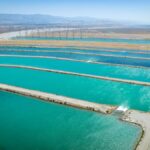
The biggest piece of the puzzle is the California Aqueduct. This man-made river stretches over 400 miles and delivers water from the north all the way to Southern California.
Here’s a simple table to visualize some major SWP components:
| Component | Quantity | Purpose |
|---|---|---|
| Storage Facilities | 34 | Stores water for use and control |
| Pumping Plants | 20 | Pushes water uphill and across terrain |
| Power Plants | 5 | Generates electricity |
| Canals/Pipelines | 700+ miles | Moves water statewide |
Movement
So how does the water actually travel?
Once the water is collected from the Delta, it enters the aqueduct system. But California isn’t flat. Water has to go over mountains, through valleys, and across deserts. That’s where the pumping stations come in.
One of the most impressive feats is the Edmonston Pumping Plant. It lifts water almost 2,000 feet over the Tehachapi Mountains—the highest single water lift in the world. After that, gravity takes over, and the water flows downhill through Southern California.
Uses
Where does all this water go?
- Urban use: Supplying cities like Los Angeles, San Diego, and the Bay Area
- Agriculture: Irrigating crops in the Central Valley
- Environmental: Supporting wildlife habitats and wetlands
- Emergency: Backup supplies during droughts
It’s not just about turning on the tap—water from the SWP supports the economy, food production, and ecosystems across the state.
Challenges
Of course, it’s not all smooth sailing. The SWP faces several ongoing challenges:
- Droughts: Less snow means less water in the system
- Aging Infrastructure: Many parts of the system are over 50 years old
- Climate Change: Shifts in rainfall and snowpack impact water availability
- Politics: Water rights and regional conflicts can slow improvements
Managing water in California is a balancing act between supply, demand, environment, and politics.
Future
So what’s next for the State Water Project?
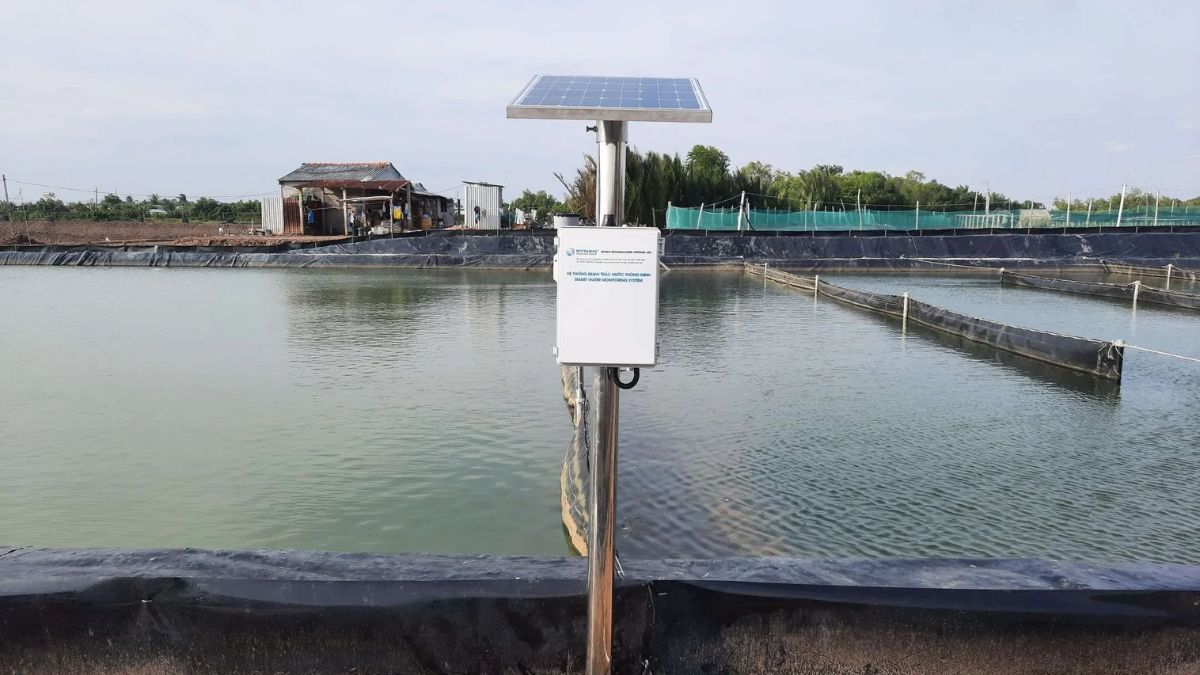
California is investing in modernization—upgrading pumps, improving conservation, and developing smart technology to monitor water use. There are also proposals like the Delta Conveyance Project, which aims to improve how water is transported through the Delta with less environmental harm.
Ultimately, the future of the SWP depends on how Californians adapt to a changing climate and growing population.
Knowing how this vast system works helps us appreciate the value of water and the engineering behind getting it to where it’s needed. The SWP is more than just pipes and pumps—it’s a lifeline for California.
FAQs
Where does SWP water come from?
Mainly from Sierra Nevada snowmelt and the Delta.
How long is the California Aqueduct?
It stretches over 400 miles long.
Who uses SWP water?
Cities, farms, industries, and the environment.
What powers the pumps?
Mostly hydroelectric power and electricity.
Is the SWP affected by droughts?
Yes, droughts reduce snow and water supplies.