When you turn on the tap or water your lawn, you probably don’t think much about where that water comes from – or who makes sure it’s safe and available. Behind the scenes, public agencies play a massive role in making sure water is managed, treated, and distributed properly.
With growing concerns about droughts, pollution, and water supply, these agencies are more important than ever. So let’s unpack how public agencies are keeping the flow going, and why their role matters more than most people realize.
Oversight
At the core of water management is oversight. Public agencies at local, state, and federal levels are responsible for overseeing how water is used, conserved, and distributed. They create rules, set policies, and ensure compliance. Without this kind of structure, water systems could easily fall into chaos – especially in places like California or Arizona where water is a limited resource.
For example, agencies make sure water rights are respected and usage is tracked. They also monitor supply and demand to prevent overuse, manage allocation during droughts, and resolve disputes between different water users.
Planning
Water doesn’t manage itself. Public agencies are responsible for long-term water planning. This includes forecasting future water needs, preparing for droughts, and investing in infrastructure like reservoirs, pipelines, and treatment plants.

Planning also involves climate research. With shifting weather patterns and rising temperatures, agencies need to adapt quickly. This means updating strategies, reassessing supplies, and being ready to pivot when nature throws a curveball.
A good example? Urban water management plans that map out how cities will ensure reliable water through conservation programs, leak detection, and system upgrades.
Quality
Clean water doesn’t just happen. Public health and safety depend on agencies testing and treating water supplies to meet strict quality standards. This applies to drinking water, wastewater, and stormwater.

Agencies like the Environmental Protection Agency (EPA) and local water boards test for harmful bacteria, heavy metals, and contaminants like PFAS. If there’s a risk to public health, they’re the ones issuing boil water notices or shutting down supplies temporarily.
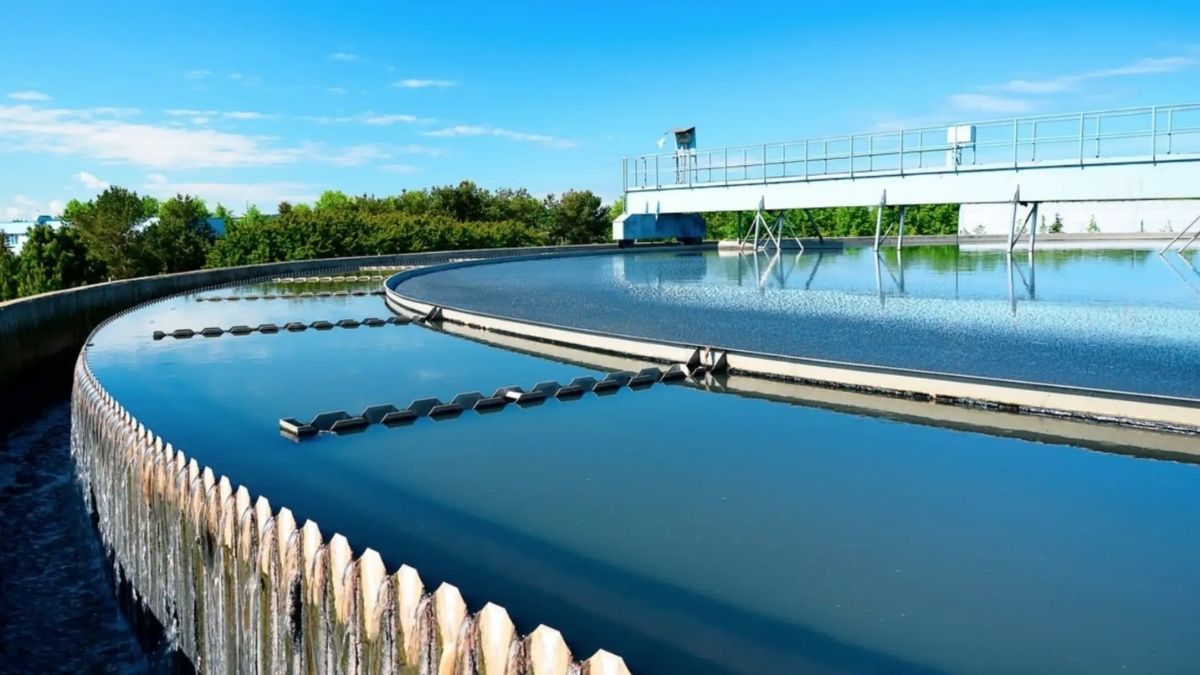
Wastewater treatment is another huge responsibility. Public agencies operate treatment facilities that clean water before releasing it back into rivers or oceans – preventing pollution and protecting ecosystems.
Distribution
Getting water from source to sink is a massive task. Public agencies handle the logistics – building and maintaining pipelines, pumps, storage tanks, and delivery systems. They’re also responsible for detecting and fixing leaks, upgrading old infrastructure, and making sure water gets to everyone fairly.
Distribution also means balancing needs. A city, a farm, and a factory all need water – but in different ways. Public agencies ensure that these needs are met without depleting natural sources or disrupting supply elsewhere.
Here’s a quick look at different agency roles:
| Agency Type | Primary Role |
|---|---|
| Local Water Districts | Daily operations, customer service, billing |
| State Water Boards | Regulation, conservation policies, planning |
| Federal Agencies (EPA, etc.) | Oversight, funding, environmental laws |
Conservation
Water is not unlimited. Public agencies lead conservation efforts by running awareness campaigns, enforcing watering restrictions, and offering rebates for efficient appliances and landscaping.
They’re the ones who set watering schedules during droughts, or fund programs that help farmers switch to drip irrigation. In some places, agencies even provide free water audits for homes and businesses to help cut waste.
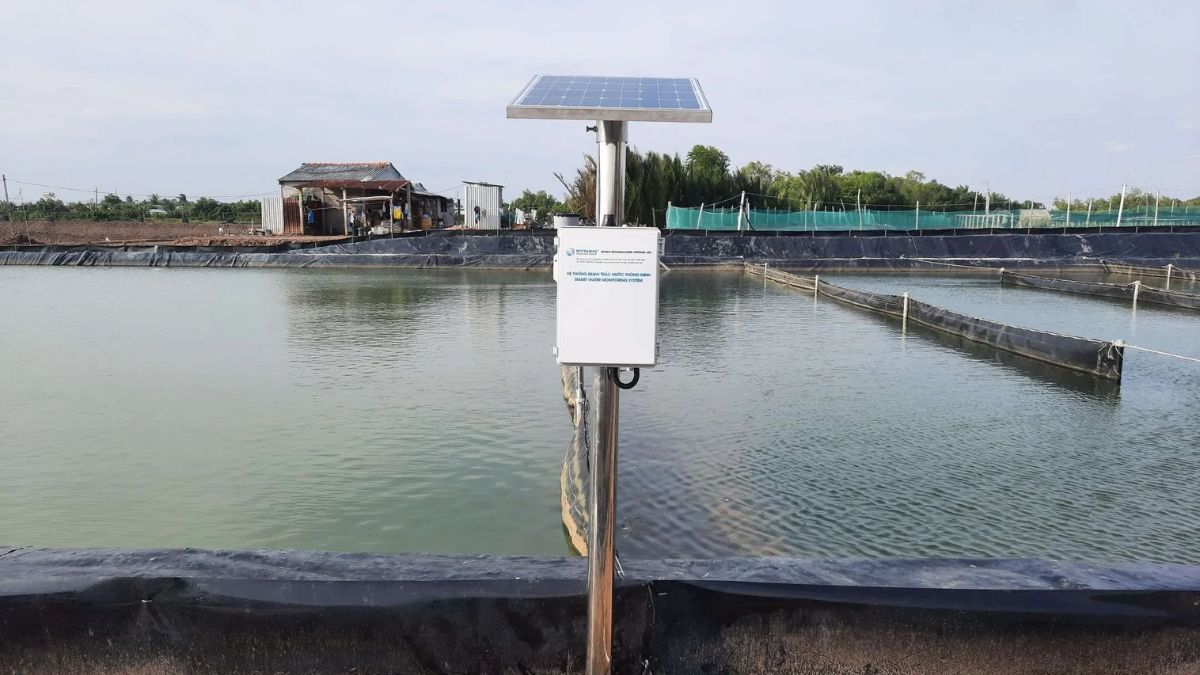
Public agencies also invest in long-term conservation tech – like smart meters and leak sensors – that help monitor usage and spot problems early.
Innovation
To stay ahead of challenges, public agencies are turning to innovation. They’re adopting new technologies like real-time data monitoring, recycled water systems, and even AI-driven leak detection tools. Agencies also fund research and pilot programs for water reuse, desalination, and stormwater capture.
They’re also key players in climate adaptation – working to build systems that are more flexible and resilient to droughts, floods, and everything in between.
Coordination
No single agency handles water alone. Public agencies often work together – across cities, counties, and even states – to coordinate efforts. This helps avoid duplication, reduces costs, and ensures everyone’s pulling in the same direction.
For example, multi-agency water banks or regional water planning committees are used to share water during dry years or improve storage options.
Water management is one of the most important services public agencies provide – yet most people barely notice until something goes wrong.
These agencies are planners, problem-solvers, and protectors of a resource we can’t live without. As water challenges grow more complex, the role of public agencies becomes even more critical. We may not see them, but they’re the reason water keeps flowing every day.
FAQs
What do water agencies do?
They manage water supply, treatment, and distribution.
Who sets water quality standards?
Agencies like the EPA set and enforce water quality rules.
How do agencies plan for drought?
They create conservation plans and manage water usage.
Do public agencies fix water leaks?
Yes, they maintain and repair public water systems.
How do agencies promote conservation?
Through rebates, education, and usage restrictions.