When you think of water use, chances are you imagine long showers or running faucets. But did you know agriculture and cities are in constant competition over the same water sources? Yep, farmers need it to grow food, and cities need it for drinking, bathing, sanitation, and more.
As populations rise and droughts grow more intense, the pressure on shared water resources is mounting. So, how exactly do farmers and cities share water—and what happens when there’s not enough to go around?
Let’s cut into the real-life tug-of-war over this precious resource.
Demand
Both farms and cities are thirsty. Agriculture alone uses about 70% of the world’s freshwater supply. That’s huge. Meanwhile, cities are expanding rapidly, especially in developing countries. Urban areas need water for homes, hospitals, schools, businesses, and industries.
As city populations explode, water demand grows with them. Suddenly, the same river or reservoir that once sustained a farming community now has to serve millions in a metro area. This is where things start to get complicated.
Conflict
When water is limited, arguments are inevitable. Farmers depend on water to irrigate crops and raise livestock. Cut off their supply, and food production suffers. On the other hand, cities argue that drinking water and public health take priority.
These debates can get political fast. Local governments may redirect water from rural areas to urban centers. Farmers, feeling ignored, protest. In some places, like California or parts of India, this struggle plays out every year during dry seasons. Water rights become more than legal terms—they’re lifelines.
Allocation
So how is water actually divided? That depends on where you live. Some regions use strict legal systems based on water rights—essentially permits that guarantee a certain amount of water to users. Others use rotational systems where different groups get access on a schedule.

Let’s compare:
| Method | How It Works |
|---|---|
| Water rights | Legal claim to a certain water amount |
| Rotational use | Users share water on a timed schedule |
| Market trading | Rights can be bought or sold |
| Government quotas | State allocates based on need and season |
Water markets are also becoming popular. In these systems, farmers and cities can buy and sell water rights like commodities. This sounds smart in theory—but it often favors the rich over the poor. Farmers might be forced to sell their share just to survive another season.
Conservation
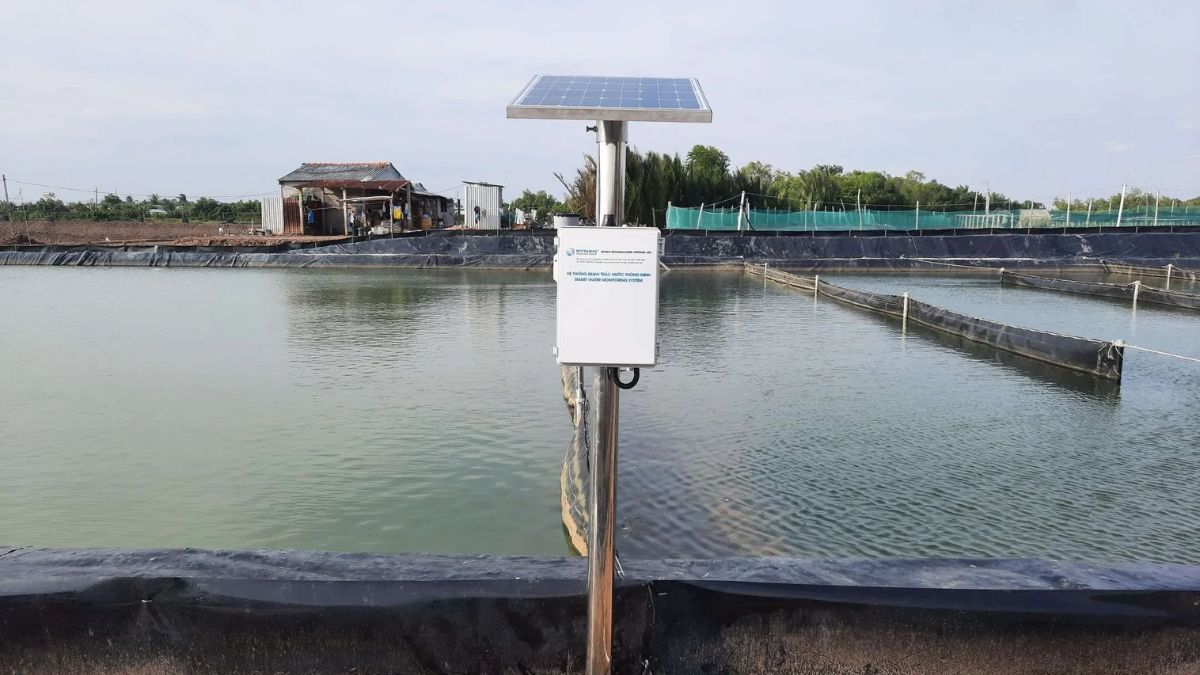
The best way to share is to use less. Both sides are starting to realize this. Farmers are adopting smart irrigation methods—like drip systems or moisture sensors—to minimize waste. Instead of flooding fields, they water crops directly at the roots.
Cities are doing their part, too. From fixing leaky pipes to promoting water-saving toilets and showers, urban areas are getting creative. Some even recycle wastewater for irrigation or industrial use. Every drop counts when supply is tight.
Innovation
Technology is helping bridge the gap between farm and faucet. Satellite imaging can now track crop water use in real time. Apps alert farmers when to irrigate, avoiding unnecessary watering. Urban planners use data to monitor household usage and detect leaks.
Desalination and water recycling plants are also gaining ground, especially in cities near the coast. Though expensive, these options can reduce pressure on freshwater systems shared with farms.
Collaboration
At the end of the day, it’s not farmers versus cities. It’s farmers and cities. Cooperation is the only sustainable path forward. Successful models show that when communities, governments, and industries work together, everyone benefits.
For example, some urban areas fund conservation efforts on nearby farms in exchange for guaranteed water supply during droughts. Others form joint committees to plan long-term water use strategies that serve both agriculture and urban development.
Farmers and cities may have different needs, but their futures are tightly linked by water. With smarter planning, shared innovation, and a little give-and-take, they can find ways to coexist—even in a world where water is running out. The challenge is big, but so is the potential for creative, lasting solutions.
FAQs
Why do farms use so much water?
Farms need water for crops and livestock daily.
Who gets priority during droughts?
Cities often get priority to protect public health.
Can cities buy water from farmers?
Yes, through water markets or transfer deals.
What’s drip irrigation?
It’s a water-saving method that targets plant roots.
How can both sides save water?
By using tech, fixing leaks, and recycling water.