Living in a dry region comes with one major challenge—water. When rainfall is rare and rivers run low, storing every drop becomes a lifeline. That’s why smart water storage isn’t just useful in arid areas—it’s essential.
From ancient cisterns to cutting-edge tech, dry communities around the world are finding clever ways to collect, save, and manage water. So, how do they do it? Let’s look at practical water storage solutions that make survival possible where water is scarce.
Tanks
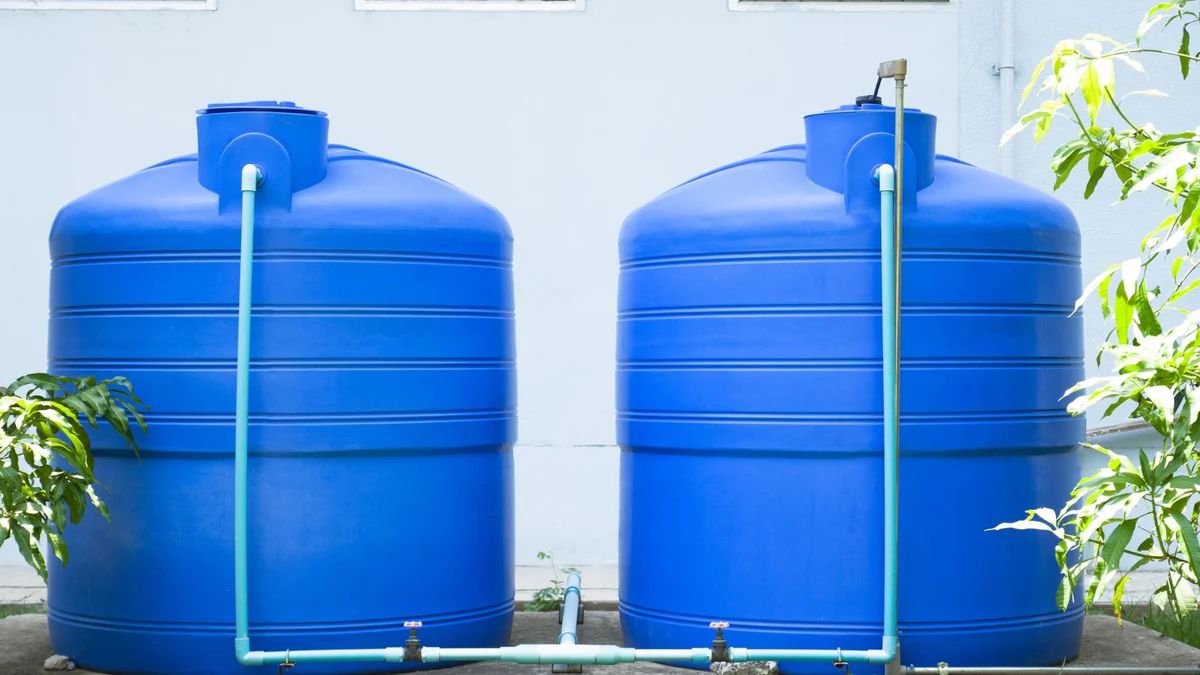
One of the simplest and most common methods? Water tanks. These range from small household barrels to massive industrial storage units. In many rural homes, rainwater is collected from rooftops and funneled into plastic or concrete tanks. It’s a low-cost, low-tech way to keep water on hand during dry spells.
Some areas install underground tanks to prevent evaporation. These work especially well in hot climates, where every drop saved from the sun counts. Community tanks also exist, where an entire village shares a larger water source collected from rain or transported in trucks.
Dams
On a larger scale, dams play a huge role in storing water. Built across rivers, they create reservoirs that can supply cities, towns, and farms for months. In dry regions like southwestern U.S., parts of Africa, or Australia, dams are lifelines.

But dams come with challenges too. They’re expensive to build, can disrupt ecosystems, and require regular maintenance. Plus, in areas hit by climate change, rivers may not carry enough flow to fill them reliably year after year.
Ponds
Small-scale ponds and check dams are widely used in rural or agricultural zones. These are man-made or enhanced natural depressions that capture rainwater runoff during the wet season. The water collected can be used for irrigation, livestock, or recharging groundwater.
Many communities use simple tools like stone bunds, mud walls, or sandbags to build these water-catching ponds. They’re cheap, easy to repair, and surprisingly effective when managed properly.

Here’s a comparison:
| Storage Method | Best For | Cost | Evaporation Risk |
|---|---|---|---|
| Water Tanks | Homes, small farms | Low-Med | Low (if covered) |
| Dams | Cities, agriculture | High | Medium-High |
| Ponds | Villages, farms | Low | Medium |
Aquifers
Groundwater storage is nature’s hidden reservoir. Dry regions often tap into underground aquifers—layers of water-bearing rock or soil that hold vast amounts of freshwater. Wells and boreholes are drilled to access this hidden treasure.
But there’s a catch: overpumping. In many places, groundwater is being used faster than it can naturally recharge. This leads to sinking land (subsidence), dried-up wells, and long-term water insecurity.
That’s why some regions now practice managed aquifer recharge—intentionally refilling aquifers using rainwater or treated wastewater. It’s a smart way to store water without building more surface tanks or dams.
Rooftops
Ever thought of your roof as a water catchment tool? It can be. Rooftop rainwater harvesting is one of the most efficient storage systems in dry regions. All it takes is a clean roof, a few gutters, and a storage tank.
This method is super useful for schools, hospitals, and homes in areas with seasonal rains. When the wet season hits, they collect enough water to last for weeks or months.
Technology
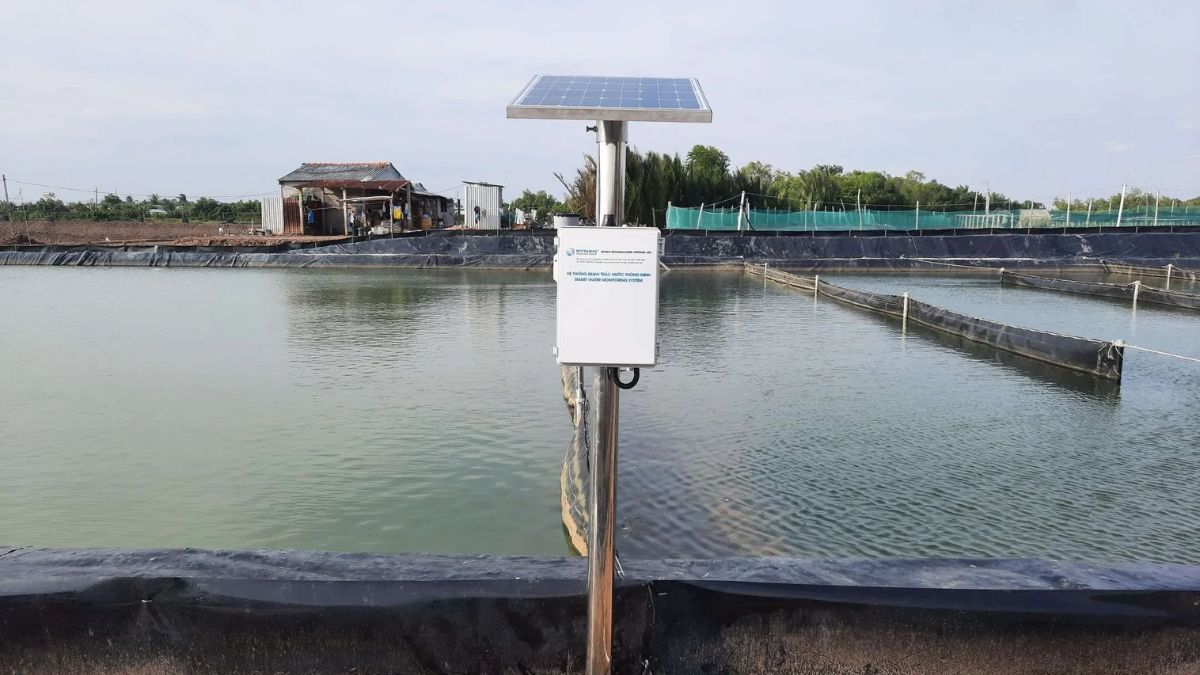
New technologies are making water storage even smarter. Some dry cities now use sensors in tanks to track water levels in real time. Others use weather data to optimize rainwater capture or irrigation systems.
Solar-powered pumps, mobile apps for water tracking, and automated filtration systems are also helping remote communities manage storage better than ever before.
One exciting innovation? Atmospheric water generators—machines that pull moisture from the air and convert it into drinkable water. While still expensive, they offer promise for dry areas with high humidity.
Community
In dry regions, water isn’t just about infrastructure—it’s about cooperation. Many successful storage solutions come from communities working together. From shared village ponds to rotating tank fills, collective systems can stretch limited water supplies further than individual ones.
Governments and NGOs often step in with funding, training, or equipment. But long-term success depends on local ownership. When people understand, maintain, and value their storage systems, they last longer and do more good.
Storing water in dry regions is about more than just keeping tanks full. It’s about planning ahead, using smart systems, and respecting the value of every single drop. Whether it’s a rooftop barrel or a regional dam, the right storage solution can turn a dry land into a livable one. And as climate pressures grow, investing in these solutions isn’t just smart—it’s survival.
FAQs
What is the cheapest water storage method?
Small ponds and rooftop tanks are low-cost options.
Can rainwater be stored safely?
Yes, with clean roofs and sealed tanks.
Are dams good for dry regions?
Yes, but they’re costly and need maintenance.
How do aquifers store water?
They hold water underground in porous rock.
What tech helps in water storage?
Sensors, solar pumps, and water-from-air devices.