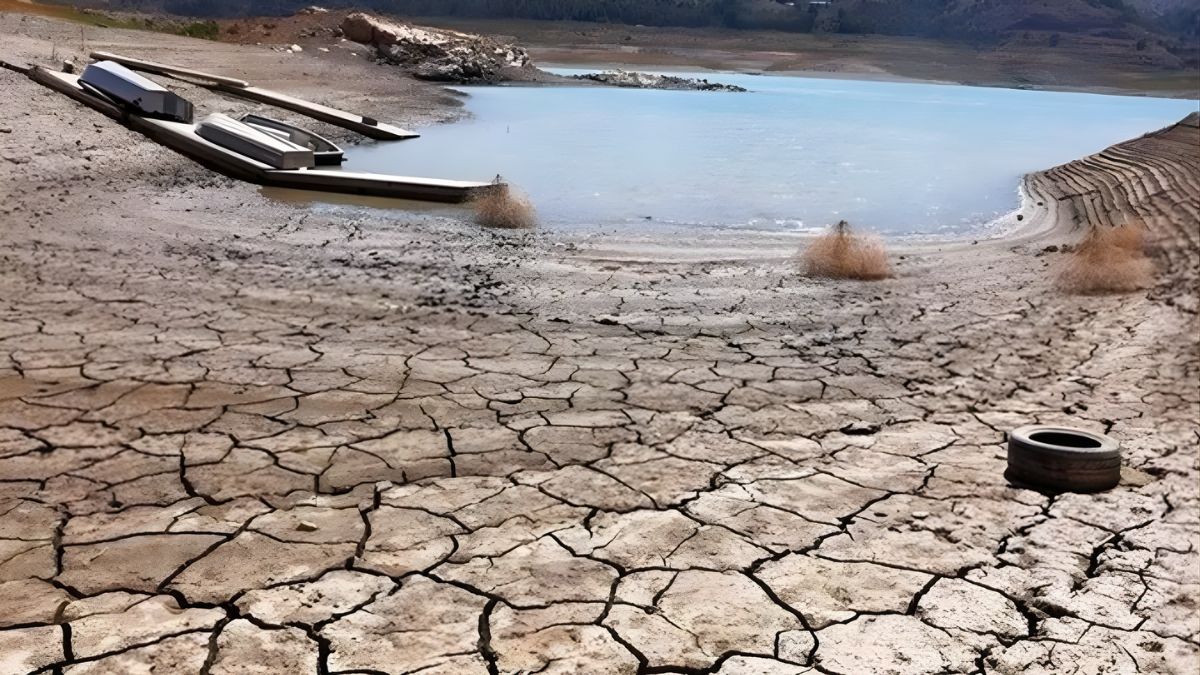
Droughts are becoming more frequent and severe in many parts of the world due to climate change and overuse of water resources. In response, local and state governments often implement drought restrictions to manage water usage and protect supplies.
While these restrictions are necessary for sustainability, they can significantly affect both households and businesses in daily operations and long-term planning.
This article looks into how drought restrictions work, their effects on residential and commercial users, and what both groups can do to adapt.
Overview
Drought restrictions are regulatory measures aimed at conserving water during periods of low supply. They are typically imposed by municipalities or state agencies and vary in severity depending on drought levels.
Common restrictions include:
- Limits on outdoor watering days and times
- Bans on washing vehicles or hosing driveways
- Reduced water allocations for businesses and agriculture
- Fines for exceeding usage or violating rules
These measures aim to preserve essential water services such as drinking water, fire protection, and sanitation. However, they also disrupt regular habits and operations.
Household Impact
For residents, drought restrictions often require changes in water use at home, especially outdoors.
Landscaping and Lawns
One of the first targets of water restrictions is lawn irrigation. Many areas limit watering to specific days of the week or ban it entirely during extreme drought stages. This can result in:
- Dry, brown lawns
- Reduced home curb appeal
- Dead or damaged landscaping
Some homeowners invest in drought-tolerant plants or xeriscaping, which reduce water dependency over time.
Water Use Indoors
Restrictions can also affect indoor water habits, especially if tiered pricing or allotments are introduced. Households may need to:
- Shorten showers
- Delay laundry loads
- Upgrade to water-efficient appliances
These adjustments can help reduce monthly water bills, particularly in areas where rates increase as consumption rises.
Costs and Penalties
Non-compliance can lead to warnings, fines, or even water shutoffs in extreme cases. Some areas also use smart meters to monitor usage in real-time, alerting customers if limits are exceeded.
Business Impact
Businesses, especially those that rely on water for operations or aesthetics, may face operational challenges during drought restrictions.
Agriculture and Landscaping
Farms and nurseries are often directly impacted by water allocation limits. Reduced irrigation can lead to:
- Lower crop yields
- Increased costs for alternative water sources
- Supply chain disruptions
Similarly, landscaping companies may lose contracts or have to alter services to comply with watering rules.
Hospitality and Recreation
Hotels, golf courses, and recreational facilities often depend on water to maintain lawns, pools, or water features. Drought rules may force:
- Closure of decorative fountains
- Reduced pool refills
- Limited lawn maintenance
These changes can affect guest experiences and require investment in alternative solutions like recycled water systems.
Car Washes and Cleaning Services
Restrictions on vehicle washing can directly impact car wash businesses, mobile detailing, and cleaning services. Some cities exempt businesses that use water recycling systems, encouraging investment in sustainable practices.
Manufacturing and Industrial Use
Industries that use water in their production processes may face mandatory reductions or need to find new sources, such as greywater reuse. This can increase costs and disrupt output.
Regional Variations
Drought restrictions vary widely depending on geography and severity of conditions. For example:
| State/Region | Typical Measures | Notable Impacts |
|---|---|---|
| California | Lawn watering limits, fines for overuse | High compliance enforcement |
| Texas | Outdoor watering schedules, tiered pricing | Business adaptation investments |
| Australia (NSW) | Garden bans, car washing limits | Promotion of water tanks and reuse |
| Spain (Catalonia) | Agricultural reductions, public pool limits | Tourism and farming disruption |
Local governments usually announce restriction levels and guidelines through public bulletins or utility notices. Levels are adjusted based on reservoir conditions, rainfall forecasts, and usage trends.
Adaptation Strategies
Both households and businesses can take proactive steps to reduce the burden of restrictions and build resilience:
For Households:
- Install low-flow faucets and showerheads
- Use rain barrels to collect water for gardening
- Switch to native or drought-resistant plants
- Fix leaks promptly to avoid wasted water
For Businesses:
- Audit water use and implement efficiency upgrades
- Invest in greywater or recycling systems
- Educate employees and customers about conservation
- Work with suppliers to minimize water-related risks
Long-term planning can also involve retrofitting buildings and landscapes for sustainability, reducing dependency on municipal water supplies.
Drought restrictions serve an essential purpose in conserving limited water resources during dry periods. While they can cause inconvenience and financial strain, particularly for water-reliant businesses, they also encourage lasting changes in how water is valued and used.
With thoughtful adaptation and investment, both households and enterprises can navigate restrictions while contributing to broader water sustainability goals.
FAQs
Can I water my lawn during drought restrictions?
It depends on local rules – some areas allow limited watering on set days.
How do restrictions affect car wash businesses?
They may be limited or exempt if they use water recycling systems.
Do drought restrictions raise water bills?
Possibly. Tiered pricing often makes excess use more expensive.
Are there penalties for breaking water rules?
Yes. Fines or usage caps are common for non-compliance.
What is xeriscaping?
A landscaping method using drought-resistant plants to save water.