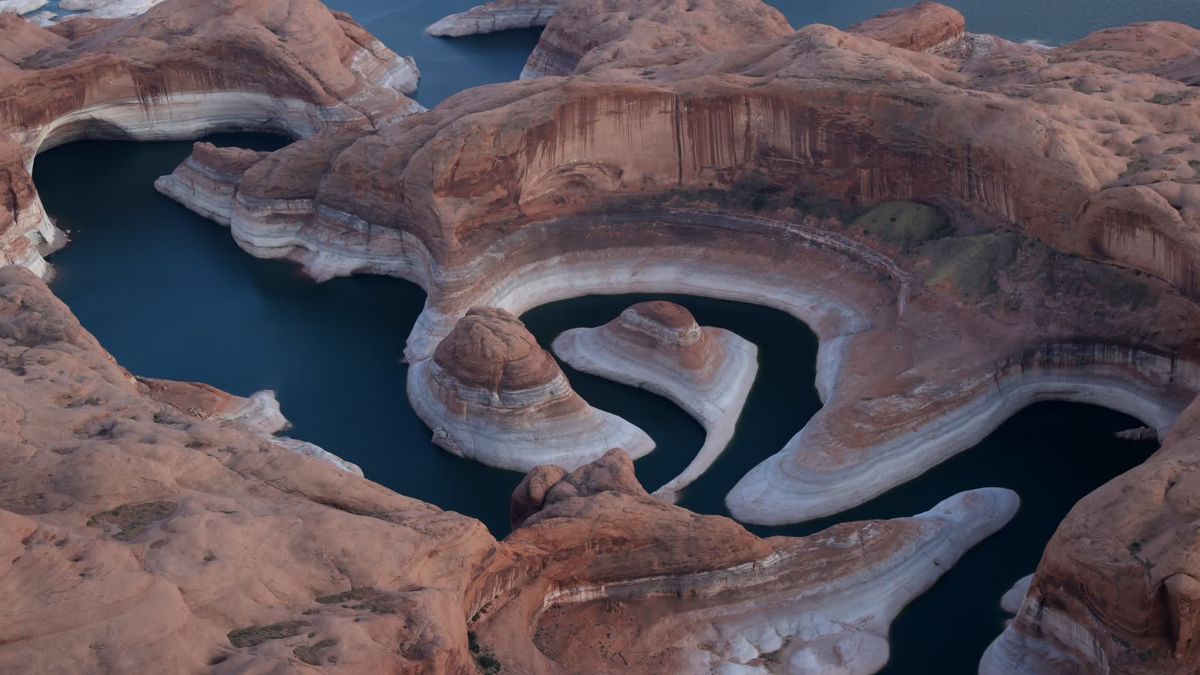
The American Southwest is facing growing water challenges driven by a combination of prolonged drought, climate change, rising population, and overuse of limited water supplies. From California to Arizona, states in this region depend heavily on the Colorado River and groundwater sources that are under increasing stress.
As temperatures rise and precipitation patterns shift, the long-term availability of water in the Southwest is at risk. This article examines the major water challenges the region is likely to face in the coming years, how they affect communities and industries, and what steps are being considered to manage this growing crisis.
Overview
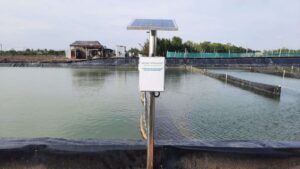
The Southwest includes arid and semi-arid states such as Arizona, New Mexico, Nevada, Utah, and parts of California, Colorado, and Texas. These areas naturally receive less rainfall than other regions and are particularly sensitive to prolonged dry conditions.
Historically, major rivers like the Colorado River, groundwater basins, and snowpack from the Rocky Mountains have served as key water sources. However, all of these sources are under pressure due to overuse and lower-than-average replenishment.
Key Challenges
Declining Reservoir Levels
Two of the largest reservoirs in the United States – Lake Mead and Lake Powell – are at historically low levels. These reservoirs, fed by the Colorado River, supply water to more than 40 million people across seven states. As water levels drop:
- Hydropower production is reduced
- Agricultural and urban water deliveries face cuts
- Legal water-sharing agreements are strained
The U.S. Bureau of Reclamation has declared water shortages on the river, triggering mandatory reductions in some states.
Groundwater Overdraft
In many areas, especially in Arizona and California’s Central Valley, groundwater is being pumped faster than it can be naturally recharged. This leads to:
- Lower water tables
- Land subsidence
- Increased pumping costs for farmers and municipalities
Once depleted, aquifers can take decades or centuries to recover, making this a long-term concern for water sustainability.
Rapid Urban Growth

Cities like Phoenix, Las Vegas, and Albuquerque continue to grow, adding pressure to already limited water supplies. More residents mean more water needed for drinking, sanitation, landscaping, and infrastructure.
Balancing urban expansion with sustainable water use is a challenge for local planners and developers, especially as new housing developments extend into areas without reliable water access.
Agricultural Demand
The Southwest is home to major agricultural regions that rely heavily on irrigation. Crops like alfalfa, cotton, and lettuce require large amounts of water. Agriculture accounts for roughly 70-80% of water use in the region.
As surface water deliveries decline, many farms have turned to groundwater, intensifying the problem of overdraft. Reducing agricultural water use without harming food supply and livelihoods remains a delicate issue.
Climate Change
Climate projections for the Southwest show:
- Higher average temperatures
- Decreased snowpack in mountain regions
- More frequent and intense droughts
- Unpredictable precipitation patterns
These changes reduce both the supply and reliability of water sources. Warmer conditions also increase evaporation from reservoirs and soil, further stressing water systems.
Environmental Impacts
Reduced water flows affect not only people, but also ecosystems. Wetlands, rivers, and wildlife habitats dependent on regular water availability are shrinking or disappearing. Species that rely on these habitats are at risk, and water quality can decline as flows drop and pollution becomes more concentrated.
Drying rivers and lakes, such as the Salton Sea in California, also pose public health risks as dust from exposed lakebeds becomes airborne.
Policy and Legal Pressures
Water in the Southwest is governed by complex laws, compacts, and rights that date back decades. The Colorado River Compact, for example, divides water among seven states but was based on data from unusually wet years. Today, with less water available, legal conflicts and renegotiations are increasing.
States and tribal governments are now working with federal agencies to develop new agreements and conservation plans. However, finding consensus across political boundaries remains challenging.
Adaptation Strategies
While the challenges are significant, there are ongoing efforts to manage water more effectively:
Conservation Programs
- Tiered water pricing and rebates for efficient appliances
- Water recycling and reuse projects
- Public education on conservation practices
Infrastructure Investment
- Upgrading aging pipelines to reduce leaks
- Building desalination and water treatment plants
- Expanding groundwater recharge projects
Policy Reforms
- Revising water rights to reflect current conditions
- Encouraging urban growth in areas with secure water sources
- Supporting voluntary water-sharing agreements among users
Agricultural Innovation
- Shifting to less water-intensive crops
- Using precision irrigation technology
- Encouraging regenerative farming practices
Regional Collaboration
The future of water in the Southwest will depend on collaboration across state lines and between urban and rural communities. Federal support, tribal leadership, and private sector innovation are also playing key roles in shaping sustainable water solutions.
Ultimately, managing water scarcity in the Southwest requires balancing human needs, environmental protection, and economic development in a region where water is both limited and essential.
FAQs
Why is the Southwest running out of water?
Due to climate change, overuse, drought, and population growth.
What states rely on the Colorado River?
Arizona, California, Nevada, Utah, Colorado, New Mexico, and Wyoming.
How does groundwater overdraft affect the land?
It causes land subsidence and makes water extraction harder and costlier.
Can desalination solve the water crisis?
It helps, but is costly and limited in scale for inland areas.
What role does agriculture play in water use?
Agriculture uses up to 80% of the region’s water for irrigation.