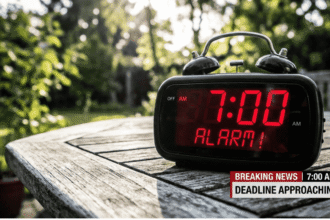

That small shift on the clock can raise a big question: if you wake before dawn, should you get up or push for more sleep? For millions of people over 60, that dilemma isn’t just about rest—it’s about rhythm, health, and what it means to age well.
When Your Body’s Clock Runs Ahead of You
Plenty of older adults notice the same pattern creeping in: falling asleep earlier, waking up earlier, sometimes hours before the alarm. It’s not random. As we age, our circadian rhythm—the 24-hour internal clock that regulates sleep, temperature, and hormones—naturally shifts forward.

The hormone melatonin, which signals the body that it’s time to sleep, begins to rise earlier in the evening and drop off earlier in the morning. That means your body starts sending “wake up” signals sooner than it used to. Add to that lighter, more fragmented sleep phases, and mornings start showing up earlier whether you like it or not.
But here’s the good news: this shift isn’t a disorder. It’s biology doing its thing. The key question isn’t “Am I sleeping less?” but “Do I feel well during the day?”
The Difference Between Early and “Too Early”
Let’s say you’re 68, fall asleep at 10 p.m., and wake up at 5 a.m.—that’s seven solid hours. You feel alert, make breakfast, maybe take a walk. Perfectly fine. In fact, that’s a healthy pattern for your stage of life.
Now imagine you’re 72, waking at 4 a.m. after restless nights, lying awake with worries, nodding off mid-afternoon. That’s not just a new rhythm; it’s a red flag. According to the National Institute on Aging, persistent early waking combined with fatigue or anxiety can be linked to sleep disorders, medication side effects, or even depression.
When early rising drains your energy instead of fueling it, it’s time to dig deeper—with your GP or a sleep specialist—to check for sleep apnoea, chronic pain, or poorly timed medications (especially those for blood pressure or bladder issues).
Sleep Efficiency: The Metric That Matters
Sleep experts often talk less about how long you’re in bed and more about how much of that time you’re actually asleep. That’s called sleep efficiency.
| Age Group | Typical Total Sleep | Target Sleep Efficiency |
|---|---|---|
| 40–59 | 7–9 hours | 85%+ |
| 60+ | 6.5–8 hours | 85%+ |

For many older adults, seven hours of solid, continuous rest beats nine hours of tossing and turning. Staying in bed too long while half-awake can confuse the brain into linking your bed with frustration rather than rest.
If you’re awake for more than 20–30 minutes, most specialists recommend getting up—keeping lights dim—and doing something quiet, like reading or light stretching. Return to bed only when sleepy. This simple habit can retrain your brain to associate bed strictly with sleep.
When to Rise and When to Rest
If you wake before dawn and feel alert—great. Start your morning quietly: a glass of water, soft light, maybe a walk at sunrise. Early morning light actually helps your body stabilize its internal clock, reinforcing healthy rhythms.
But if you wake early and feel exhausted, the solution isn’t necessarily to “sleep longer.” Focus instead on improving the quality of your sleep:
- Keep a consistent bedtime, even on weekends.
- Limit caffeine after 2 p.m.
- Dim screens and bright lights two hours before bed.
- Use morning sunlight to anchor your wake-up time.
- Keep naps short (20–30 minutes max, before 3 p.m.).
Small changes in routine can help recalibrate your rhythm without forcing extra hours of sleep.
A New Definition of Rest
After 60, rest is less about a magic number and more about how your days feel. If you’re mentally clear, emotionally steady, and physically energetic, your body’s rhythm is working for you—even if it looks different from your younger years.
It helps to think in three pillars rather than one number:
| Pillar | Focus | Why It Matters |
|---|---|---|
| Continuity | Fewer awakenings | Reduces stress hormones and boosts memory consolidation |
| Efficiency | More time asleep while in bed | Improves repair and immune function |
| Rhythm | Stable bed/wake times | Keeps internal clock in sync with daylight |
Chasing the “eight-hour rule” can actually backfire, turning sleep into a performance test instead of a natural cycle.
When Early Waking Signals Something Else
While most early rising is harmless, certain patterns deserve a closer look:
- Waking up anxious or with racing thoughts.
- Losing interest in daytime activities.
- Heavy daytime fatigue despite early bedtime.
- Loud snoring, gasping, or headaches in the morning (possible sleep apnoea).
- New or worsening mood changes.
In these cases, professional assessment can make a real difference. The Centers for Disease Control and Prevention notes that targeted treatments—from adjusting medication timing to managing stress—can restore sleep stability and improve daytime function.
Making Peace With the Morning
If your body now calls it a night earlier and greets the dawn sooner, consider what that early start gives you. Quiet. Clarity. Time for reflection before the world wakes.
You can make it a ritual: water the plants, write a few lines in a journal, stretch, or simply watch the light change. Turning that early hour into something intentional helps it feel less like a loss and more like a gift.
After all, sleep isn’t about fitting a number—it’s about waking up to a day that feels worth being awake for.
FAQs
Is waking up early after 60 normal?
Yes. It’s part of a natural circadian shift that makes many older adults sleepy earlier in the evening and awake earlier in the morning.
Should I stay in bed if I wake at 5 a.m.?
Only if you still feel drowsy. If you’re alert, get up and start your day calmly. Staying in bed awake can worsen insomnia.
How many hours of sleep do older adults really need?
Usually 6.5–8 hours, though quality and consistency matter more than the exact total.
Can naps replace lost sleep?
Short naps (under 30 minutes) can boost alertness, but long or late naps may push bedtime later and disrupt your rhythm.
When should I see a doctor about early waking?
If it’s paired with exhaustion, mood changes, or persistent insomnia, it’s time to talk to a sleep specialist.