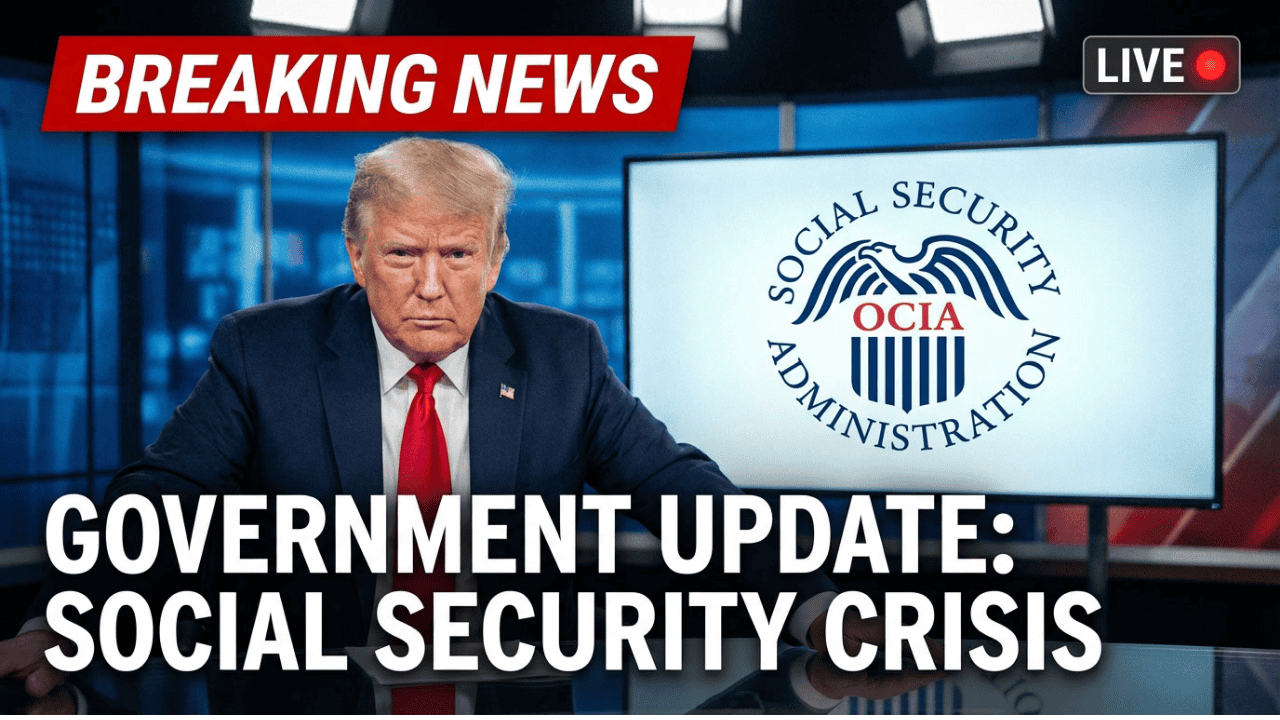
For months, headlines warned that paper Social Security checks were about to vanish for good. The U.S. Treasury’s hard September 2025 deadline loomed large, leaving millions of older Americans anxious about how they’d receive their monthly payments. But as 2026 begins, Washington’s tone has changed. Instead of slamming the door on paper checks, officials are quietly stepping back — and taking a gentler, more flexible approach.
Why the Government Wanted to End Paper Checks
Let’s face it — paper checks are old-school, and expensive. The U.S. Department of the Treasury’s Bureau of the Fiscal Service has long argued that mailing millions of checks each month is slow, risky, and inefficient. Electronic payments, by contrast, are nearly instant and far more secure.

According to the U.S. Treasury’s Fiscal Service, about 99.4% of beneficiaries already receive their federal benefits electronically — through direct deposit or the Treasury’s Direct Express® Debit Mastercard, a program designed for those without bank accounts.
That remaining 0.6% might sound tiny, but it represents millions of seniors, often living in rural areas or simply uncomfortable with digital systems. For them, holding a physical check isn’t just about money — it’s about trust.
The 2025 Cutoff That Sparked Backlash
In August 2025, the Treasury rolled out a firm plan under the Modernizing Payments to and From America’s Bank Accounts Act. The message was clear:
“After September 30, 2025, paper checks will no longer be issued for federal benefits.”

The Social Security Administration (SSA) backed the initiative, launching public campaigns to help seniors transition. There were TV ads, information drives in community centers, and even senior-center workshops teaching people how to set up direct deposit or use a Direct Express card.
But by late September, alarm bells were ringing. Advocacy groups like AARP and several local coalitions warned that a hard cutoff could leave thousands — especially those in remote or unbanked areas — without timely access to their benefits.
Washington Softens Its Stance

In a quiet but meaningful policy shift, Treasury officials revised their position. While digital payments remain the long-term goal, paper checks will continue for those who truly can’t switch.
“Our goal has always been modernization with inclusion,” a Treasury spokesperson said in late 2025. “No beneficiary will lose access to payments because of technology barriers.”
That means the transition will continue — but more compassionately. Instead of forced deadlines, the focus now is education, outreach, and gradual adoption.
Who Qualifies for Continued Paper Checks?
Not everyone can opt to stay on paper, but the Treasury has created exemptions for specific situations.
| Qualification Category | Examples of Eligible Individuals |
|---|---|
| No Access to Banking | Seniors without bank accounts or near banking facilities |
| Limited Digital Access | Residents in rural areas with poor internet or no smartphone access |
| Disability or Cognitive Barriers | Individuals with disabilities making electronic management difficult |
| Verified Hardship Cases | Beneficiaries whose circumstances make electronic use impractical |
Those who qualify will need to reverify eligibility every few years, ensuring that exemptions remain valid as infrastructure improves.
How the New Plan Works in 2026
Instead of abrupt enforcement, 2026 will function as a “transitional year.” The Treasury and SSA are partnering with community organizations to expand awareness and support. Expect:
- Workshops at senior centers to assist with direct deposit enrollment
- Hotlines and call centers to help verify eligibility or update payment methods
- Public library outreach programs offering one-on-one help
- Community bank partnerships to ease onboarding for older adults
Some pilot programs are also exploring hybrid tools — like low-tech kiosks in post offices and rural banks where beneficiaries can access their payment information without smartphones or computers.
What Beneficiaries Should Do
If you’re still getting your Social Security or federal benefit check in the mail, here’s what to keep in mind:
- Confirm your payment method – You can check through the Social Security Administration’s MySSA portal or by calling their helpline.
- If you want to keep paper checks, verify your eligibility through official Treasury communication.
- Beware of scams. Fraudsters often impersonate government agencies during policy changes. The Treasury and SSA will never call or email asking for your banking details. Always confirm messages via fiscal.treasury.gov or ssa.gov.
- Consider switching to Direct Express® — it’s a government-backed option that doesn’t require a bank account or internet access.
A Human-Centered Approach
This isn’t just bureaucratic backpedaling — it’s a recognition of human reality. Policymakers understand that not everyone moves at the same digital pace. For a 90-year-old widow in rural Kansas, the comfort of a paper check may outweigh the convenience of an app.
So instead of cutting off that safety net, Washington is opting for progress with empathy. The idea is to modernize while protecting the most vulnerable.
A Treasury official summed it up best:
“This isn’t about enforcement — it’s about inclusion. We’re modernizing the system without leaving anyone behind.”
FAQs
Is the government ending paper Social Security checks in 2026?
No. The digital transition continues, but paper checks will remain for those who qualify under hardship exemptions.
How can I keep receiving my check by mail?
You must prove limited access to electronic options — like no bank account, poor internet, or certain disabilities.
What’s the safest payment option right now?
Direct deposit remains the fastest and most secure method for federal benefits.
How often do I need to verify eligibility for paper payments?
Every few years, according to Treasury guidelines, to ensure records stay updated.
Where can I confirm official updates?
Check directly on fiscal.treasury.gov, ssa.gov, or contact your local Social Security office.