
Living in the Antelope Valley means living in a dry, desert-like climate where water doesn’t just magically appear—it’s carefully sourced, stored, pumped, and delivered.
Most people don’t think about it when they turn on the faucet, but behind that clean flow of water is a complex system of supply lines, treatment plants, and planning that makes it all possible.
So, how exactly does Antelope Valley get its water? Let’s break it down—from where it comes from to how it gets to your tap, and the big challenges the region faces in keeping it all flowing.
Sources
Antelope Valley’s water supply comes from three main sources:
- Imported water from the State Water Project (SWP)
- Local groundwater pumped from underground aquifers
- Recycled water used for non-drinking purposes like irrigation
Each of these plays a role in meeting the needs of homes, businesses, agriculture, and public services in the region.
1. Imported Water (State Water Project)
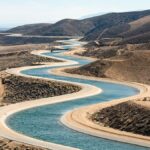
The State Water Project is a lifeline for many parts of California, and the Antelope Valley is no exception. Water is captured from the Sierra Nevada snowpack, stored in Northern California reservoirs, and then pumped hundreds of miles south through the California Aqueduct.
Agencies like the Antelope Valley-East Kern Water Agency (AVEK) contract with the state to bring this water into the valley. It’s treated, stored, and then distributed to various local water providers.
However, the SWP supply isn’t always reliable—it depends heavily on rainfall, snowpack, and environmental regulations. In dry years, allocations can drop significantly.
2. Groundwater
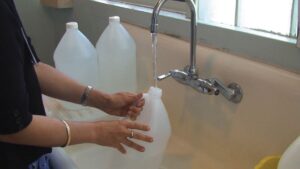
Historically, groundwater has been the valley’s main water source. It’s pumped from deep underground aquifers and delivered directly to homes and farms.
But there’s a catch: over-pumping has led to a condition called groundwater overdraft, where more water is pulled out than gets naturally replaced. This has caused water levels to fall and land to sink in some areas—a process known as subsidence.
To address this, agencies have formed the Antelope Valley Groundwater Sustainability Agency (AV GSA), which oversees the long-term balance of groundwater use under California’s Sustainable Groundwater Management Act (SGMA).
3. Recycled Water
Recycled water is treated wastewater that’s cleaned to a safe level for non-drinking uses. In the Antelope Valley, recycled water is used for landscaping, parks, schools, and golf courses.
It’s not a major part of the supply yet, but it’s growing—and seen as an important tool for reducing demand on drinking water.
Infrastructure
Getting water from its source to your tap involves a massive network of infrastructure, including:
- Pipelines and aqueducts for transporting water
- Pumping stations to move water uphill or over long distances
- Storage tanks and reservoirs to hold water until it’s needed
- Treatment plants to ensure water is safe to use
- Recharge facilities that help replenish groundwater supplies
Agencies like AVEK, Palmdale Water District, Quartz Hill Water District, and Littlerock Creek Irrigation District all play roles in maintaining and operating this infrastructure.
Here’s a quick look at who does what:
| Agency Name | Primary Role |
|---|---|
| AVEK | Imports and distributes SWP water |
| Palmdale Water District | Local treatment and delivery |
| Littlerock Creek District | Agriculture and rural water supply |
| Quartz Hill Water District | Residential water service |
All these agencies often coordinate under the Antelope Valley State Water Contractors Association (AVSWCA) to plan major projects, share resources, and advocate for regional needs.
Challenges
Providing water in a desert isn’t easy. The Antelope Valley faces several big challenges:
1. Drought and Climate Change
Frequent droughts and lower snowpack levels make it harder to depend on the State Water Project. Climate change is adding even more unpredictability to the water supply.
2. Groundwater Overdraft
Years of heavy pumping have led to significant overdraft. Managing groundwater sustainably is now a legal requirement under SGMA, and the AV GSA is tasked with creating a long-term solution.
3. Aging Infrastructure
Much of the region’s water infrastructure is decades old and needs upgrades. Leaks, breaks, and inefficiencies can lead to wasted water and high repair costs.
4. Growth and Demand
As more people move to the Antelope Valley, water demand increases. Agencies must plan ahead to ensure supply can meet future needs—without overreliance on any one source.
5. Regulatory Pressure
Environmental rules and state water policies add layers of complexity to water management. Agencies must comply with conservation mandates, habitat protections, and quality standards.
Conservation
With all these challenges, conservation has become a key part of the water strategy in the Antelope Valley. Residents are encouraged to:
- Install drought-tolerant landscaping
- Use efficient appliances and fixtures
- Fix leaks quickly
- Water lawns during off-peak hours
- Participate in rebate and incentive programs
Every drop saved helps reduce the strain on imported and local water sources.
Antelope Valley Water Sources by Percentage (Typical Year)
| Water Source | Estimated Share (%) |
|---|---|
| Imported SWP Water | 50–60% |
| Groundwater | 30–40% |
| Recycled Water | 5–10% |
Note: Actual percentages vary depending on weather, demand, and availability.
So the next time you sip a glass of water or water your lawn in Antelope Valley, remember—it’s not just water. It’s the result of careful planning, a vast delivery system, and constant adaptation to one of California’s toughest environments.
FAQs
Where does Antelope Valley’s water come from?
It comes from imported water, groundwater, and recycled sources.
What is AVEK’s role?
AVEK imports State Water Project water to the region.
Why is groundwater overdraft a problem?
It lowers water levels and causes land to sink (subsidence).
Is recycled water used in Antelope Valley?
Yes, mostly for irrigation and landscaping purposes.
What’s being done to save water?
Conservation programs, efficient appliances, and public education.