
Water is a big deal in California—especially in places like the Antelope Valley, where dry spells and growing communities push water systems to their limits. That’s where the Antelope Valley State Water Contractors Association (AVSWCA) steps in.
It’s not a household name, but if you live in the region, it quietly plays a huge role in your daily life—especially when you turn on the tap or see green lawns in the middle of the desert. Let’s break down what this association does and why it should matter to you.
Origins
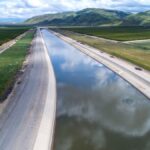
The AVSWCA was formed to bring together several local water agencies in the Antelope Valley region of Southern California. These agencies joined forces to better manage water imported from the State Water Project (SWP), California’s massive water delivery system.
Back in the 1960s, as the Antelope Valley grew, local leaders realized that relying only on groundwater wouldn’t cut it. They needed a stable, reliable water source to support homes, farms, and businesses. So, they became “state water contractors” by signing agreements with the California Department of Water Resources (DWR), and eventually formed an association to coordinate efforts.
Members
The AVSWCA includes several key water agencies, such as:
- Palmdale Water District
- Littlerock Creek Irrigation District
- Antelope Valley-East Kern Water Agency (AVEK)
- Quartz Hill Water District
Each of these agencies serves different parts of the valley but works together under the AVSWCA to manage and distribute imported water efficiently.
Purpose
So, what’s the point of forming an association like this? Simple—it’s all about collaboration and efficiency. Water management isn’t just about having access to water. It’s about handling it wisely, especially in an area where water is scarce and demand is rising.
The AVSWCA exists to:
- Coordinate deliveries from the State Water Project
- Develop joint water infrastructure projects
- Advocate for local needs at the state level
- Educate the public on water conservation
- Plan for future droughts and water shortages

In short, they act as a regional team to make sure everyone gets what they need, when they need it.
Projects
One of the most important roles of the AVSWCA is overseeing major water projects. This includes everything from pipelines and storage tanks to water treatment systems. For example, they’ve been involved in projects to connect different parts of the valley’s water system—allowing for more flexible water movement depending on need.
By pooling resources, the AVSWCA helps reduce costs for member agencies. Instead of each district building its own facilities, they work together on shared infrastructure. It’s like neighbors pitching in to build a shared fence—smarter, cheaper, and more efficient.
Droughts
California is no stranger to drought, and the Antelope Valley has felt the sting more than most. That’s why the AVSWCA plays such a vital role. During dry years, when water from the SWP is limited, the association helps prioritize deliveries, manage reserves, and explore alternative sources like recycled water.
They also promote conservation programs, encouraging residents and businesses to use water wisely. Things like drought-tolerant landscaping and high-efficiency appliances don’t just happen—they’re often backed by these kinds of programs.
Representation
Another key function of the AVSWCA is advocacy. When state or federal lawmakers debate water policy, you can bet the Antelope Valley wants a seat at the table. The AVSWCA gives the region a stronger voice, helping protect its water rights and funding for local projects.
They work closely with the California Department of Water Resources and other state agencies, making sure the valley’s needs are considered in decisions that affect the whole state.
Education
You might not expect a water agency to be involved in education, but the AVSWCA takes this seriously. They run public outreach programs to help residents understand where their water comes from and how they can help conserve it.
Schools, community groups, and even businesses benefit from this effort. After all, it’s a lot easier to support water-smart habits when you know the “why” behind them.
Benefits
So what does all this mean for the average person living in the Antelope Valley? Quite a bit, actually. Thanks to the AVSWCA:
- Water delivery is more reliable, even during droughts
- Agencies save money by sharing costs
- The region has a stronger political voice on water issues
- Future planning helps avoid sudden shortages
Think of the AVSWCA as the behind-the-scenes crew keeping the water flowing. They may not make headlines, but their work ensures that life in the desert can continue without constant water crises.
AVSWCA Member Agencies and Their Roles
| Agency Name | Role in AVSWCA | Area Served |
|---|---|---|
| Palmdale Water District | Infrastructure planning, delivery | Palmdale and nearby |
| Littlerock Creek Irrigation Dist | Agricultural support, water rights | Littlerock area |
| AVEK | Main SWP contractor, large-scale supply | Most of Antelope Valley |
| Quartz Hill Water District | Residential supply, conservation efforts | Quartz Hill area |
Whether you’re a homeowner, a farmer, or just someone who enjoys a good long shower, the AVSWCA is quietly working to keep things running smoothly in the background. They’re planners, builders, advocates, and educators—all rolled into one.
Even if water politics doesn’t sound exciting, you’ll appreciate the results every time you pour a glass of clean, safe water in one of California’s driest regions.
FAQs
What does AVSWCA stand for?
It stands for Antelope Valley State Water Contractors Association.
Who are AVSWCA’s members?
Palmdale, Littlerock, AVEK, and Quartz Hill water agencies.
Why was AVSWCA created?
To manage imported water and plan water projects jointly.
How does AVSWCA help in droughts?
By managing reserves and promoting water conservation.
Does AVSWCA do public outreach?
Yes, they run programs to educate residents on water use.