
When water runs low in the Antelope Valley, the stakes couldn’t be higher. With long dry seasons, a growing population, and limited resources, drought isn’t just a possibility—it’s a frequent reality. That’s where the Antelope Valley State Water Contractors Association (AVSWCA) comes in.
This local agency plays a key behind-the-scenes role in managing water during tough times. From planning for droughts to coordinating emergency responses, AVSWCA helps make sure cities, farms, and residents don’t get left high and dry.
Let’s cut into how this organization works, what it does during a drought, and why its role is more important now than ever.
Overview
The AVSWCA is a joint powers authority made up of local water agencies in the Antelope Valley that contract with the State Water Project. Its main goal? To secure and manage reliable water supplies from the state and support collaborative water planning in the region.
These members include:
- Antelope Valley-East Kern Water Agency (AVEK)
- Littlerock Creek Irrigation District
- Palmdale Water District
Together, they work to make the most of limited state water deliveries, especially during times of drought.
Planning
Droughts don’t appear overnight—and AVSWCA doesn’t wait for disaster to strike. Instead, they focus heavily on long-term planning.
One of their major responsibilities is helping develop and coordinate Urban Water Management Plans (UWMPs) and Water Shortage Contingency Plans (WSCPs). These documents outline how water will be managed in both normal and emergency conditions.

They identify:
- How much water is available
- Who gets priority during shortages
- What conservation efforts will be triggered
- What infrastructure is needed to store or deliver water
AVSWCA helps align these plans across multiple districts to avoid conflicts and close any supply gaps. This unified planning is crucial when water gets tight.
Monitoring
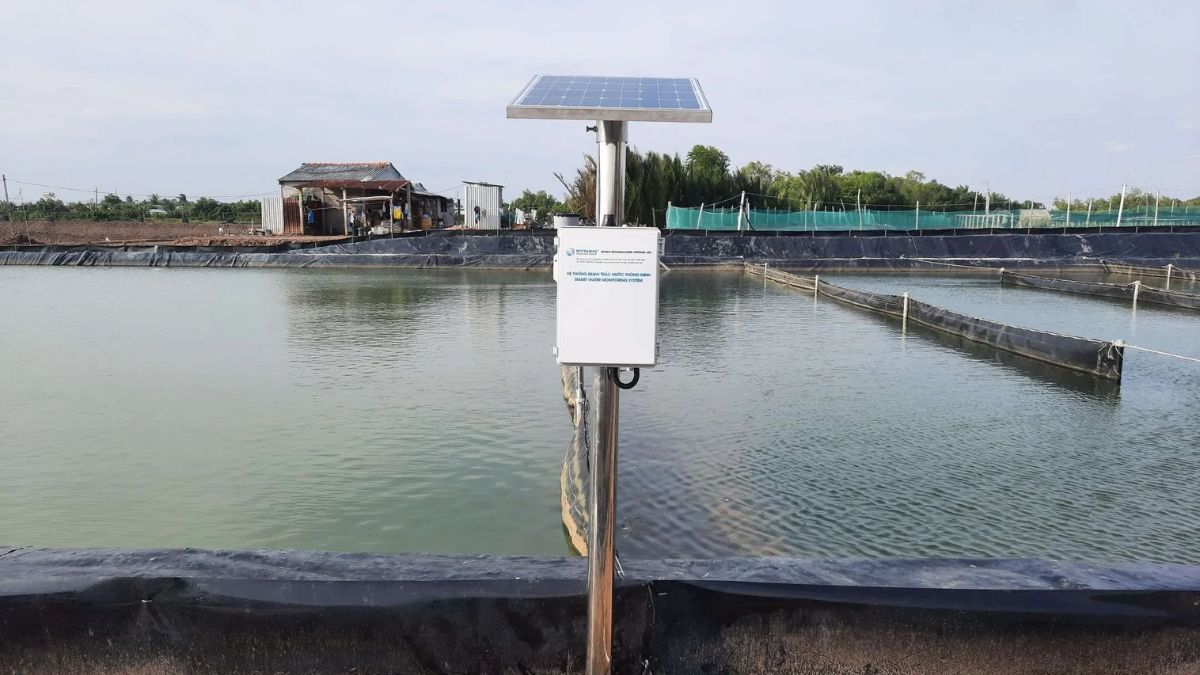
You can’t manage what you don’t measure. That’s why AVSWCA and its member agencies stay on top of water levels, demand forecasts, and delivery projections year-round.
They monitor:
- Groundwater basins
- Imported water from the State Water Project
- Surface water reservoirs
- Usage trends from cities and agriculture
This real-time data allows them to pivot quickly when drought conditions develop or worsen. It’s all about staying a step ahead.
Response
When drought hits, AVSWCA goes into action. The agency supports emergency water transfers, helps member districts share resources, and ensures the most critical needs are met first—like public health and safety.
They also coordinate outreach, working with cities to implement water use restrictions and conservation campaigns. These might include:
- Limiting lawn watering
- Encouraging gray water reuse
- Providing rebates for low-flow fixtures
If necessary, AVSWCA helps bring in emergency water supplies, sometimes trucking in water or tapping into banked reserves from earlier, wetter years.
Coordination
Drought response requires teamwork. AVSWCA acts as a hub for communication between water agencies, local governments, and state water officials.
They facilitate meetings, share updates, and help align emergency declarations when needed. This coordination prevents confusion and ensures everyone follows the same playbook.
They’re also involved in regional emergency planning exercises and simulations, preparing for worst-case scenarios like multi-year droughts or critical system failures.
Innovation
AVSWCA isn’t just reactive—they’re proactive about improving how water is managed. They support regional projects that boost drought resilience, including:
- Water banking and recharge projects
- Recycled water expansion
- Interconnected pipeline systems
- Conservation pilot programs
They also apply for grants and funding from state and federal sources to make these projects a reality. In short, they’re always working to upgrade the region’s water future.
Future
With climate change driving longer and more intense droughts, the AVSWCA’s role will only grow more critical. The agency is already adapting, updating plans to reflect more extreme weather, population growth, and uncertain state water allocations.
They’re investing in more storage, better data systems, and smarter infrastructure. But just as importantly, they’re keeping local agencies aligned, so the region speaks with one voice when water is scarce.
Water emergencies aren’t going away—but thanks to AVSWCA, the Antelope Valley is better prepared to face them.
FAQs
What does AVSWCA stand for?
Antelope Valley State Water Contractors Association.
What agencies are in AVSWCA?
AVEK, Palmdale Water District, Littlerock Creek District.
How does AVSWCA help in droughts?
By planning, coordinating, and managing emergency responses.
Does AVSWCA bring in emergency water?
Yes, they coordinate emergency deliveries if needed.
Is AVSWCA involved in conservation?
Yes, they support public conservation and efficiency programs.