California is known for its sunshine, tech industry, and scenic beauty – but it’s also becoming famous for something far less glamorous: ongoing water supply challenges.
Year after year, the state faces drought warnings, water restrictions, and shrinking reservoirs. But why does this keep happening in a place with such advanced infrastructure and resources? Let’s break it down in plain English and figure out what’s really causing California’s water crisis.
Drought
First off, droughts are becoming a regular part of life in California. The state’s Mediterranean climate means it naturally has wet winters and dry summers, but climate change is making those dry seasons longer and more extreme. Less rain and snow in the winter months means less water to store for the summer.
Snowpack from the Sierra Nevada used to be a reliable natural reservoir, slowly melting and feeding rivers and reservoirs. But now, rising temperatures are melting snow earlier – or not producing enough snow at all. When that happens, there’s simply not enough water left to go around later in the year.
Demand
California is home to nearly 40 million people. Add in the massive agricultural industry and sprawling urban development, and you’ve got a demand for water that far outweighs the available supply. Cities need it. Farmers need it. And ecosystems need it, too.
Agriculture uses about 80% of the state’s managed water supply, mostly for thirsty crops like almonds, rice, and alfalfa. While these crops are economically valuable, they also create a huge burden during dry years. Meanwhile, residential areas continue to grow, putting even more pressure on local water systems.
Infrastructure
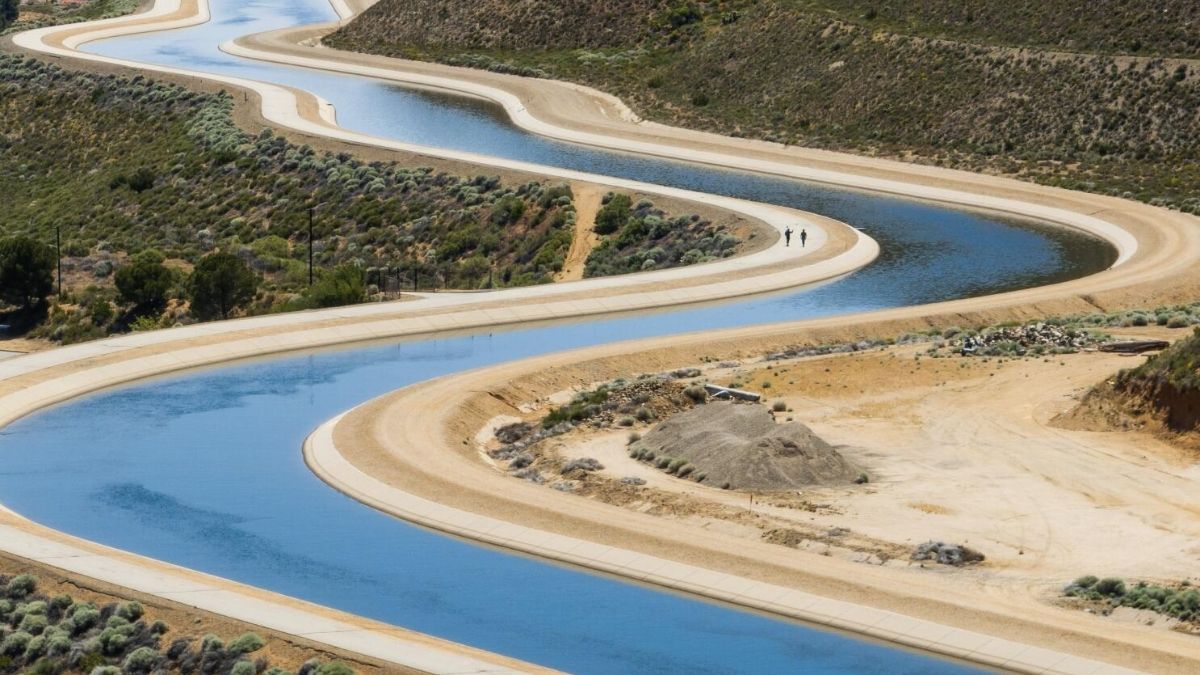
Believe it or not, much of California’s water infrastructure was built decades ago, back when the population was smaller and climate change wasn’t part of the conversation. Old reservoirs, canals, and pipelines still do the heavy lifting today.
The problem? That system wasn’t designed for the level of stress it’s under now. It’s like trying to run a marathon in shoes you’ve had since high school – they’re just not made for what you’re asking them to do. As a result, water isn’t always delivered efficiently or where it’s needed most.
Groundwater
When surface water runs low, California turns to groundwater. But here’s the catch – groundwater is being pumped faster than it can naturally recharge. This leads to wells running dry, land sinking (a process called subsidence), and long-term damage to underground aquifers.
The state passed the Sustainable Groundwater Management Act (SGMA) to address this, but it takes years to implement changes and see results. Meanwhile, many rural communities rely heavily on groundwater for drinking and farming, making the issue urgent.
Politics
Water in California is not just a natural resource – it’s a political one. Different groups have competing interests: farmers want irrigation water, cities need tap water, and environmentalists want enough water left for rivers and wildlife.
Water rights in California are notoriously complicated, with senior rights holders getting first dibs. This creates conflicts, especially in dry years when there’s not enough to go around. Deciding who gets what – and when – is often more about law and lobbying than logic or fairness.
Climate
Climate change doesn’t just mean hotter summers. It also means more erratic weather: one year there’s a flood, the next year a severe drought. These swings make it incredibly difficult to manage long-term water planning.
Even when there’s a wet year, California can’t always capture and store all that water. Much of it rushes out to the ocean because the system isn’t equipped to trap it. That’s lost potential in a state where every drop counts.
Solutions
So, what’s being done? California is investing in water recycling, desalination plants, and better conservation programs. Cities are being asked to cut back. Farmers are encouraged to use more efficient irrigation. And there’s increasing talk about upgrading infrastructure and enforcing groundwater laws.
Here’s a quick overview:
| Challenge | Current Response |
|---|---|
| Droughts | Conservation, water use limits |
| Aging Infrastructure | Proposed upgrades and investments |
| Groundwater Depletion | SGMA implementation |
| Over-Demand | Efficiency in agriculture & cities |
| Climate Uncertainty | Diversified water sources |
The reality is, there’s no single fix. Solving California’s water crisis will take a mix of innovation, cooperation, and long-term planning. It’s a balancing act between people, profit, and the planet.
California’s water troubles aren’t going away anytime soon. But with smarter policies, better infrastructure, and more public awareness, the state can build a more reliable and sustainable water future. It won’t be easy – but it’s absolutely necessary.
FAQs
Why is California always in drought?
Dry climate and climate change reduce rainfall and snowpack.
How does agriculture affect water supply?
Farming uses about 80% of managed water in California.
Is groundwater being overused?
Yes, it’s being pumped faster than it refills.
Why can’t California store more water?
Outdated infrastructure can’t capture all rainfall.
What’s being done to fix it?
Recycling, conservation, new laws, and infrastructure upgrades.