California is no stranger to drought. In fact, it’s one of the most drought-prone states in the U.S. But when the dry years hit hard—especially the extreme ones—the pressure on California’s water system reaches a boiling point.
So how does the state keep the taps running, crops growing, and communities functioning when water is running low? This article breaks down exactly how California manages its water during extreme drought years.
Background
Drought isn’t new in California. The state has a Mediterranean climate, meaning long dry summers and short wet winters. But in recent decades, climate change has intensified these dry periods, making them longer, hotter, and more unpredictable.
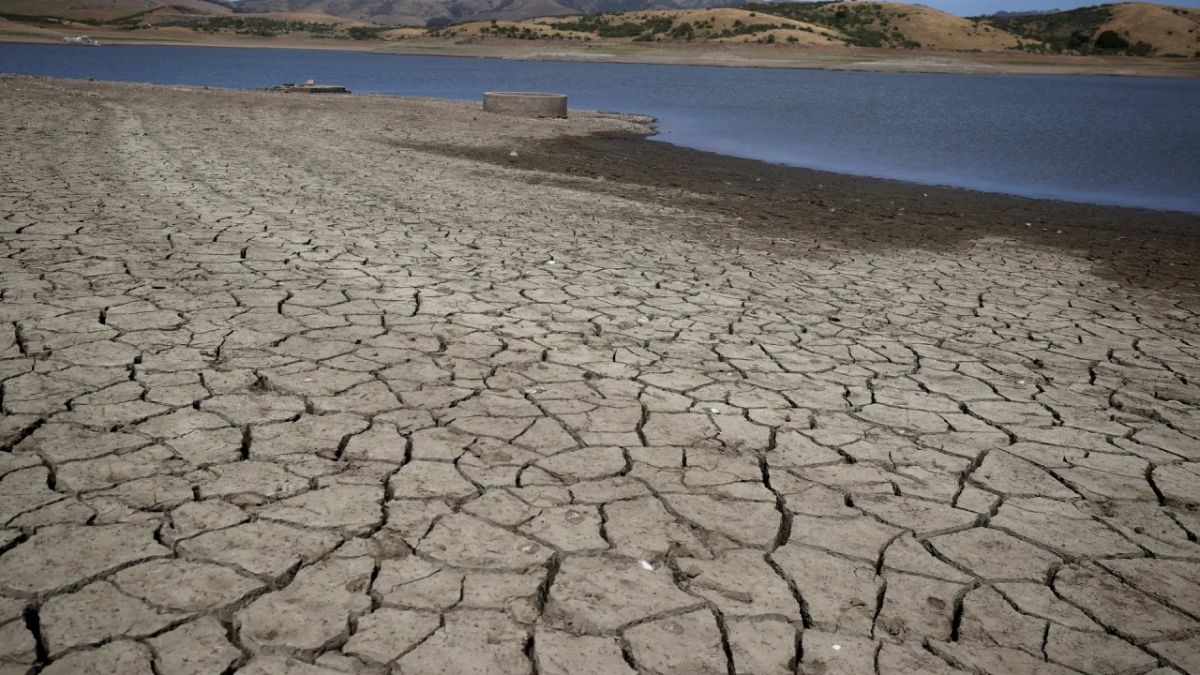
Extreme drought years—like those seen in 2014, 2021, and 2022—bring widespread impacts: dried-up reservoirs, wildfires, fallowed farmland, and strict water restrictions. Managing limited water during these times is a balancing act between people, farms, fish, and the environment.
Priorities
In a drought emergency, California doesn’t treat all water use equally. Here’s how priorities are typically ranked:
- Drinking Water & Public Health – Top priority is always to ensure enough water for homes, hospitals, and schools.
- Environmental Needs – Water is allocated to protect endangered fish and ecosystems.
- Agriculture – Farms get water next, though supply is often heavily reduced.
- Industry & Landscaping – Lowest priority; these users face early restrictions.
Tools
California has built a massive, complex water system to move water from where it’s abundant (mainly the north) to where it’s needed (the drier south and Central Valley). In a drought, the state leans hard on this system and uses several strategies to stretch every drop.
Water Banking
California stores water in underground aquifers during wet years—kind of like saving for a dry day. During droughts, these “water banks” are tapped to supply cities and farms.
Rationing & Restrictions
State and local governments issue water use restrictions, such as:
- Limiting outdoor watering to certain days
- Banning car washing or filling swimming pools
- Encouraging shorter showers and water-efficient appliances
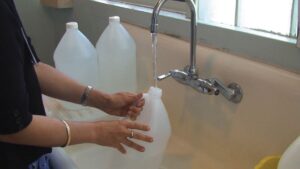
These measures can reduce urban water use by up to 25% or more during emergencies.
Tiered Pricing
Water agencies often use tiered pricing during droughts. The more you use, the more you pay. This gives people a financial reason to cut back.
Water Transfers
In drought years, water is often bought and sold between water districts. For example, a city might buy water from an irrigation district that agrees to reduce its crop use in exchange.
Desalination & Reuse
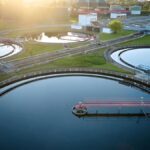
Some coastal cities, like Carlsbad, turn to desalination—converting seawater to drinking water. Others invest in water recycling, cleaning wastewater for reuse in landscaping or industrial processes.
Agriculture
California’s $50+ billion agriculture industry relies heavily on irrigation. During extreme droughts, water deliveries to farmers from state and federal systems are often slashed—sometimes to zero.
To adapt, farmers may:
- Fallow fields (leave them unplanted)
- Switch to drought-tolerant crops
- Pump groundwater (though this causes long-term problems)
- Invest in drip irrigation to use less water more efficiently
Still, the financial toll is massive. In 2022, drought-related losses to agriculture were estimated at over $1.7 billion.
Urban Areas
Cities take aggressive steps to cut usage during droughts. For example:
- Los Angeles rolled out turf removal rebate programs, paying residents to replace lawns with drought-resistant landscaping.
- San Francisco invested in smart water meters to detect leaks instantly.
- Sacramento limited watering to two days per week during peak drought periods.
Many cities also double down on public education campaigns—reminding residents to conserve water with slogans like “Every Drop Counts.”
Environment
Drought doesn’t just affect people—it hits ecosystems hard. Rivers run low, wetlands dry out, and fish populations suffer.
To help, California may:
- Release water from reservoirs to maintain river flows for salmon
- Truck fish to cooler waters during critical migration periods
- Restore wetlands to improve habitat and groundwater recharge
Environmental protections often spark controversy, especially when water is scarce. But ignoring nature during drought years only leads to bigger problems later.
Challenges
Managing drought in California is tough for several reasons:
- Outdated Water Rights: Some users still have rights to huge amounts of water based on laws from the 1800s.
- Groundwater Overuse: Pumping during drought depletes aquifers, causing land to sink (subsidence) and long-term damage.
- Climate Change: It’s reducing snowpack and making droughts longer and more intense.
- Competing Interests: Cities, farms, and the environment all want more than the system can provide.
Key Drought Actions
| Strategy | Impact Level | Used During Drought? |
|---|---|---|
| Water Restrictions | Urban | Always |
| Groundwater Pumping | Agriculture | Common |
| Water Banking | Statewide | Strategic |
| Tiered Pricing | Urban | Often |
| Desalination | Coastal cities | Limited |
| Water Transfers | Urban/Agriculture | Frequent |
Future
California is investing heavily in long-term drought resilience. This includes:
- Building more water recycling plants
- Expanding groundwater recharge projects
- Updating outdated water rights systems
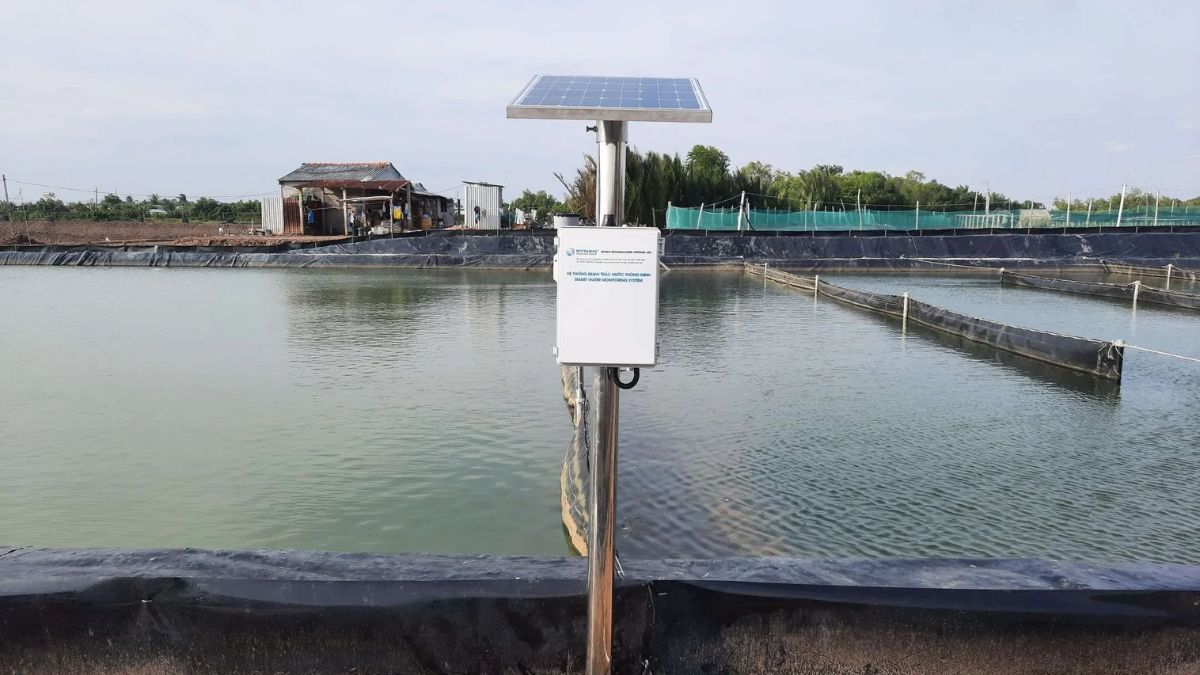
- Improving data to track water use and supply in real time
- Supporting climate-smart agriculture
While droughts are unavoidable, smart planning and innovation can reduce their impact. But it takes cooperation—from policymakers to farmers to everyday people—to make it work.
In short, California’s drought management is a mix of technology, regulation, conservation, and compromise. No single solution works alone. But when used together, they help the state survive—and even adapt to—its driest years.
FAQs
What is California’s top water priority?
Ensuring safe drinking water and public health.
Do farmers get water during droughts?
Yes, but supplies are often cut drastically.
How do cities conserve water?
Lawn limits, rebates, smart meters, and public campaigns.
What is water banking?
Storing water in underground aquifers for future use.
Does desalination help during droughts?
Yes, but it’s limited and expensive.