Water is essential—but in California, it’s also expensive, controversial, and tightly regulated. If you’ve ever wondered why your water bill keeps rising or why rates differ across counties, you’re not alone.
Water pricing in California isn’t just about supply and demand. It’s shaped by laws, local politics, infrastructure, climate, and even how much you personally use. Let’s break it all down so you can finally know how water pricing is decided in the Golden State.
Overview
Water in California doesn’t have a fixed price tag. That’s because the state doesn’t have a single water utility—it has hundreds. Each local water agency sets its own prices based on local conditions. That means someone in San Diego could be paying double what someone in Sacramento pays, even if they use the same amount of water.
So how do agencies decide what to charge? It usually comes down to five major factors: cost of supply, infrastructure, conservation goals, state regulations, and customer usage levels.
Supply
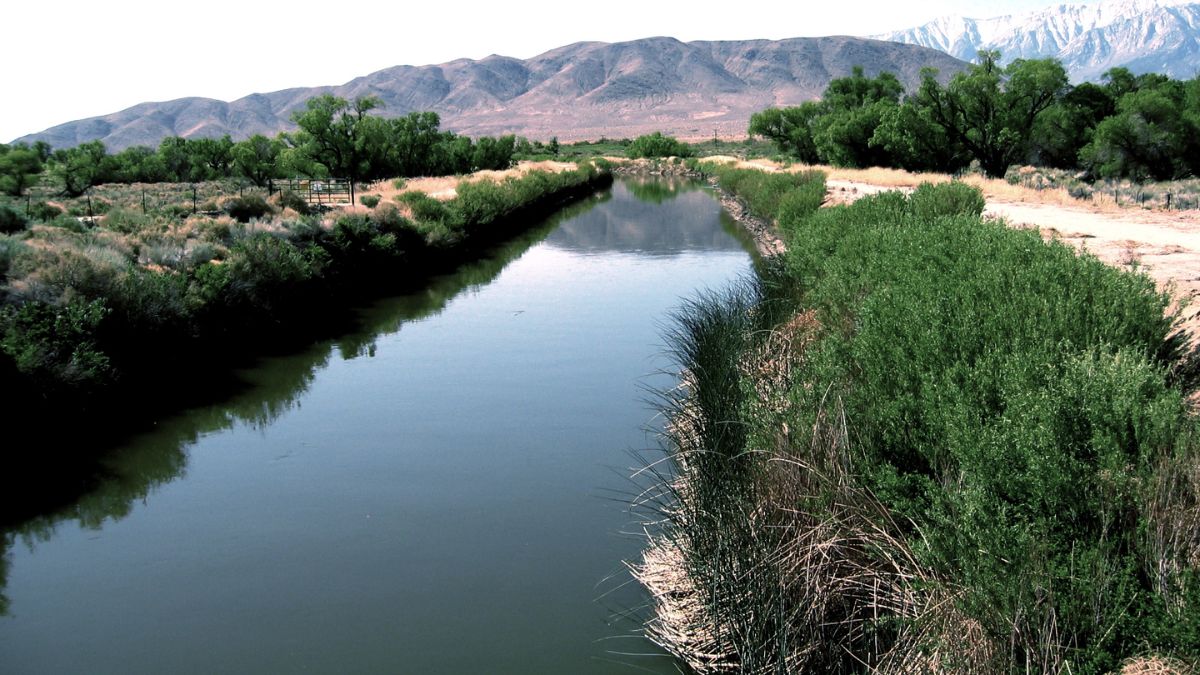
Water in California comes from multiple sources: local groundwater, rivers, reservoirs, the Colorado River, and imported water from Northern California via the State Water Project. And each source comes with its own price tag.

For example, pumping water from deep underground aquifers costs more than capturing rain in a reservoir. Importing water across hundreds of miles? That’s even more expensive due to energy use, maintenance, and fees.
So, if your local water agency relies heavily on imported water, your rates will likely be higher.
Infrastructure
The cost of maintaining and upgrading aging infrastructure is a big part of your bill. Think about all the pipes, treatment plants, pumps, and meters needed to deliver safe, clean water.

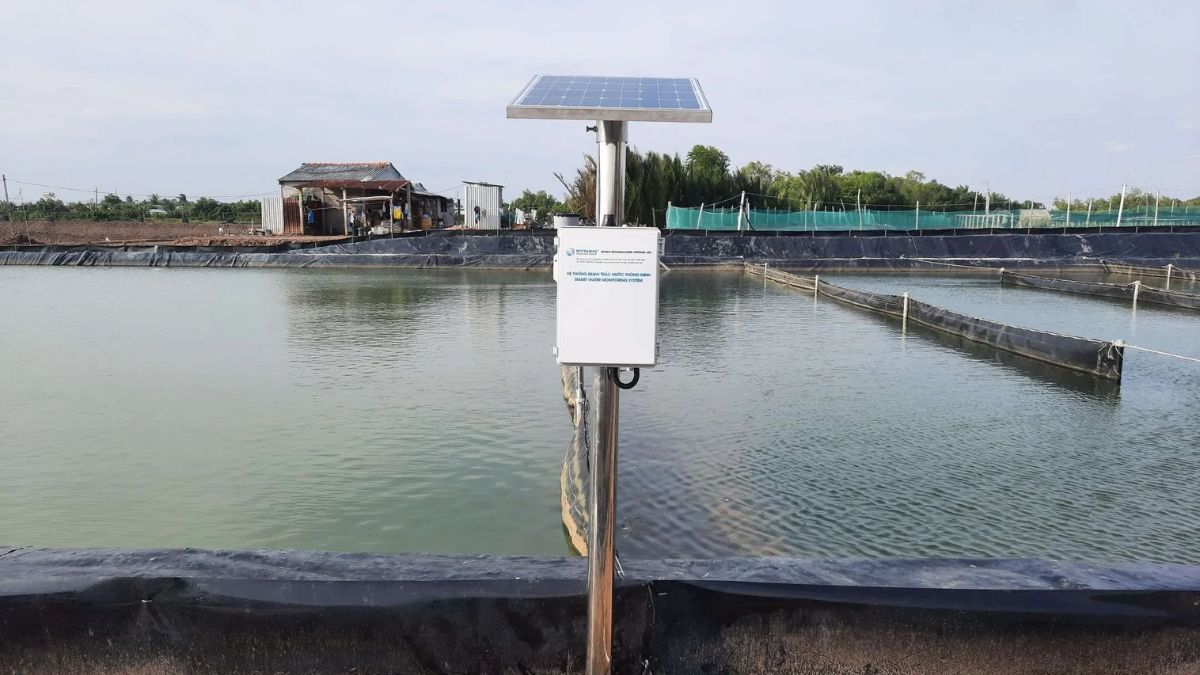
Many of these systems in California were built decades ago and now require costly repairs or replacements. Some agencies are investing in modern technology—like smart meters and leak detection—which can also impact rates in the short term.
Basically, the older or more complex the system, the more it costs to operate—and those costs trickle down to the customer.
Tiers
Ever noticed that the more water you use, the more you pay per gallon? That’s not a mistake—it’s intentional.
Most California water agencies use a tiered pricing system, also known as “inclining block rates.” Here’s how it works:
| Tier Level | Water Use (Monthly) | Price per Unit (Example) |
|---|---|---|
| Tier 1 | Essential indoor use | $2.00 per unit |
| Tier 2 | Moderate outdoor use | $3.50 per unit |
| Tier 3 | Excessive consumption | $6.00 per unit |
This structure encourages conservation. If you stay within the lower tiers, your bill stays manageable. But water your lawn daily during a drought? Expect a big jump in your charges.
Regulations
California has strict water laws, especially when it comes to fairness and transparency. Under Proposition 218, passed in 1996, local agencies must prove that water rates are directly related to the cost of providing the service. They can’t just raise rates without proper notice and justification.
Additionally, during droughts, the state can mandate conservation targets and restrict certain uses—like washing driveways or refilling pools. Local agencies then adjust pricing or issue fines to enforce these rules.
In 2025, California passed new equity guidelines requiring utilities to offer discounted rates or assistance programs for low-income households, which can also affect how rates are structured.
Conservation
Because California often faces drought conditions, conservation is built into pricing.
Some agencies offer rebates for replacing lawns with drought-resistant landscaping. Others invest in recycled water programs or offer lower rates to customers who use less water than average.
AI-powered meters are even being rolled out in some regions to help users monitor and adjust their usage in real time—kind of like a FitBit for your faucet.
Politics
Believe it or not, politics can also play a role. Local water boards are elected, and their decisions often reflect public pressure. If residents push back on rate hikes—even if they’re justified—agencies might delay them, leading to shortfalls or deferred infrastructure upgrades.
In some areas, water has even become a campaign issue, with candidates promising to freeze rates or expand subsidies. These political decisions can shape long-term water affordability and availability.
Climate
Lastly, the climate crisis is shifting everything. With rising temperatures and unpredictable rain patterns, water agencies are being forced to rethink supply strategies. That includes costly investments in desalination plants, stormwater capture, and groundwater recharge—all of which can raise prices.
Some areas hit hard by wildfires or droughts also face emergency rate adjustments to recover costs from damage or supply disruption.
Water pricing in California is anything but simple. It’s a layered system influenced by where your water comes from, how much infrastructure needs maintaining, how much you use, and even who sits on your local water board.
The next time your bill goes up, it’s not necessarily because you’re using more—it might be because your water source changed, infrastructure aged out, or new regulations kicked in. Knowing these factors gives you a clearer picture of where your money’s going—and maybe even how to save a bit of it.
FAQs
Why are water rates different across California?
Each local agency sets rates based on supply, infrastructure, and usage.
What is tiered water pricing?
Rates increase as your usage goes up to encourage conservation.
Can water prices increase without notice?
No. Under Prop 218, agencies must justify and notify rate changes.
Do low-income residents get water discounts?
Yes, many agencies offer assistance programs to help with bills.
Does climate change affect water pricing?
Yes, droughts and supply issues often lead to higher costs.