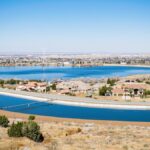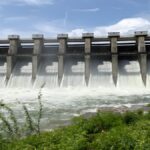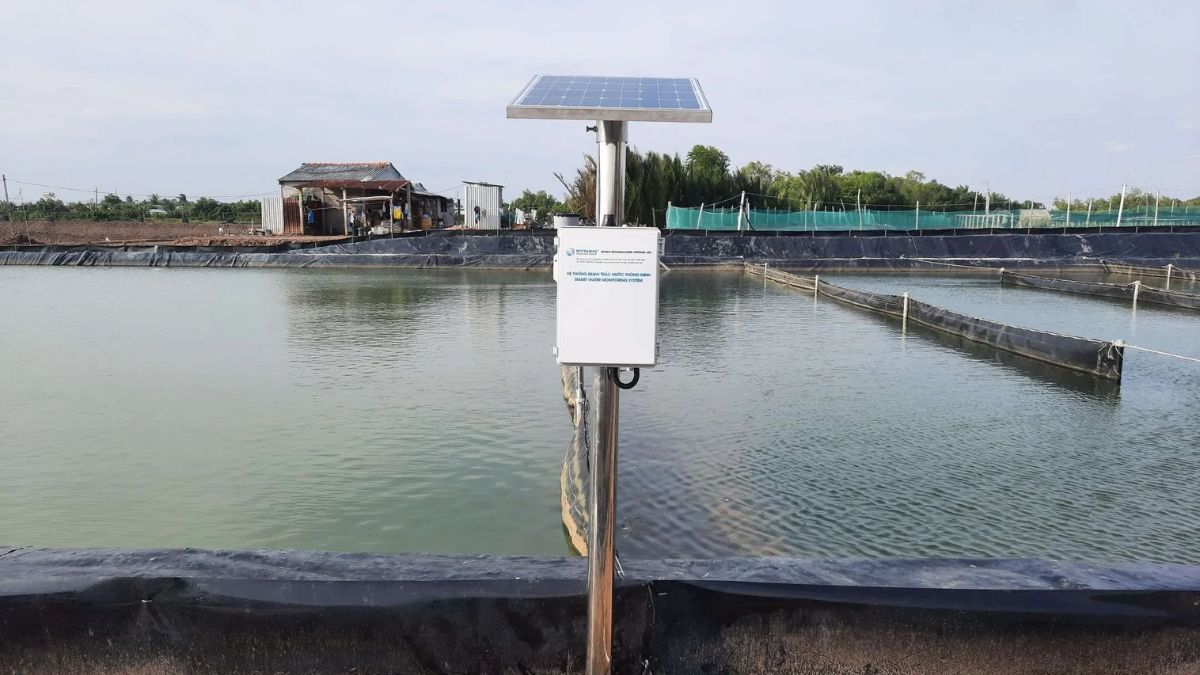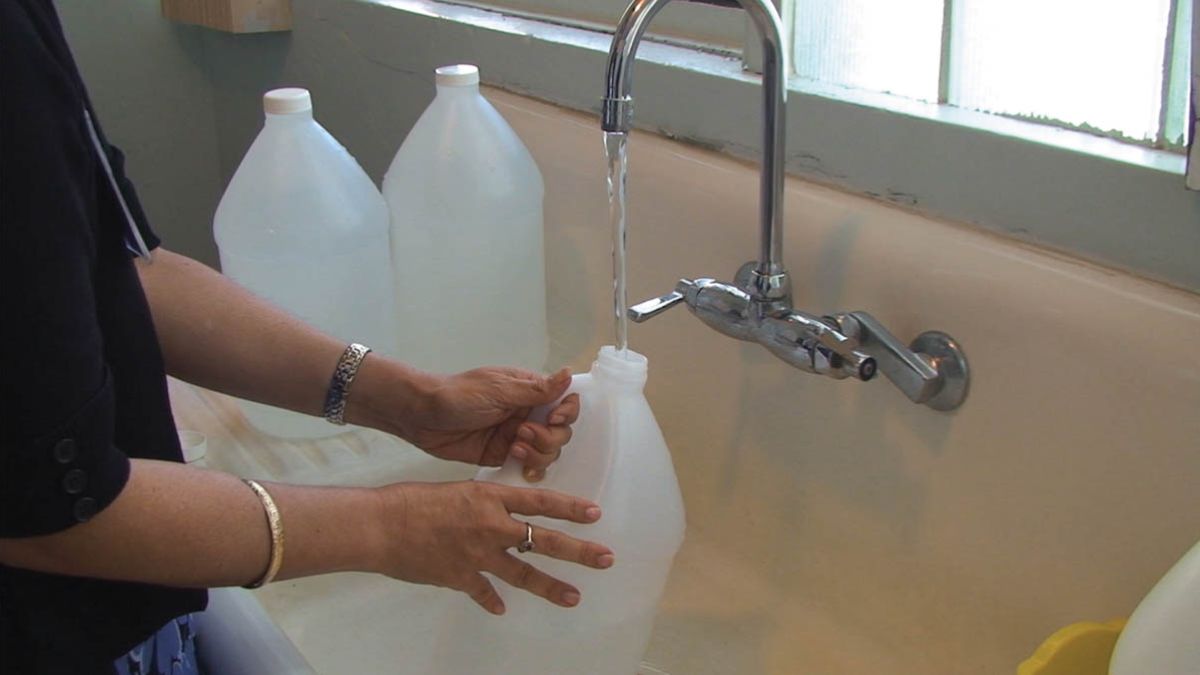

If you live in the Antelope Valley, chances are the water flowing from your faucet started hundreds of miles away in the mountains of Northern California. That water made a long journey, thanks to one of the most ambitious and important systems in the state—the California State Water Project (SWP). But what exactly is it, and why does it matter so much for Antelope Valley residents?
Here’s a simple, local-focused breakdown of the California State Water Project and how it helps keep the Antelope Valley running.
State Water Project
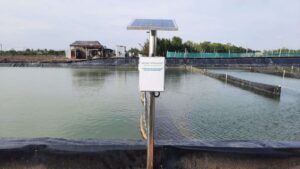
The California State Water Project is a massive water storage and delivery system managed by the California Department of Water Resources (DWR). It was designed to collect water from wetter regions in the north and deliver it to drier, more populated areas in the south—including Los Angeles, the Central Valley, and yes, the Antelope Valley.
Construction of the SWP began in the 1960s and has since become one of the largest public water and power systems in the United States.
How It Works
Water from rainfall and melting snow in the Sierra Nevada is collected in large reservoirs like Lake Oroville, then moves south through a network of:
- Pumping stations
- Canals
- Aqueducts (including the California Aqueduct)
- Pipelines and tunnels
Eventually, this water reaches contractors like the Antelope Valley-East Kern Water Agency (AVEK), who deliver it to cities, farms, and homes across the region.
Who Delivers the Water Locally?
In the Antelope Valley, the main SWP contractor is AVEK (Antelope Valley-East Kern Water Agency). AVEK brings in SWP water and delivers it to other water districts like:
- Palmdale Water District
- Quartz Hill Water District
- Littlerock Creek Irrigation District
- And several others serving rural areas, cities, and schools
These agencies treat and distribute water to local households, businesses, and industries.
Why It Matters to Antelope Valley
Let’s be real—the Antelope Valley is a desert. Local groundwater isn’t enough to support the population, agriculture, and industry here. Without the State Water Project, the region would face serious water shortages, especially during long droughts.
In fact, over half of the Antelope Valley’s water supply comes from the SWP in a typical year.
Here’s why SWP water is so important locally:
- It supplements dwindling groundwater supplies
- It allows for future growth and development
- It supports agriculture and public services
- It increases resilience during dry years
Challenges With SWP Water
While the SWP is vital, it isn’t always reliable. Water deliveries depend on a few key things:
- Rain and snowpack – Dry winters mean less water to deliver
- Environmental regulations – Laws protect fish and habitats, limiting how much can be pumped
- Aging infrastructure – Parts of the system are 60+ years old and need upgrades
- Drought conditions – During drought years, SWP allocations can be cut drastically
For example, in 2021 and 2022, SWP contractors like AVEK received just 5% of their full allocation. That puts pressure on local agencies to stretch supplies, tap into groundwater, and encourage conservation.
How Water Gets to You
Let’s say a snowstorm hits the Sierra Nevada in January. How does that water reach your home in Palmdale or Lancaster?
Here’s a simplified path:
- Snow melts and flows into rivers
- Water is stored in reservoirs like Lake Oroville
- It’s pumped into the California Aqueduct
- It travels 700+ miles south
- AVEK receives the water and stores/treats it
- Local agencies deliver it to neighborhoods and businesses
It’s a long journey—but without it, there would be no long showers, green parks, or reliable water for schools, hospitals, and fire protection.
SWP Allocation Examples in Recent Years
| Year | Snowpack Conditions | SWP Allocation (%) |
|---|---|---|
| 2019 | Above Average | 75% |
| 2020 | Dry | 20% |
| 2021 | Very Dry | 5% |
| 2023 | Wet Year | 100% |
| 2024 | Below Average | 30% |
Note: These numbers reflect how much of their requested supply agencies received.
Conservation Still Matters
Even with the SWP, water isn’t unlimited. Climate change, population growth, and environmental needs mean conservation is still a big deal in the Antelope Valley.
Local agencies offer programs and rebates for:
- Low-flow toilets and showerheads
- Drought-tolerant landscaping
- Smart irrigation controllers
- Leak detection and repair
The more we conserve, the better we can manage limited supplies—especially in years when SWP water is scarce.
Planning for the Future
Agencies like AVEK and members of the Antelope Valley State Water Contractors Association (AVSWCA) are already planning ahead. They’re investing in:
- New pipelines and treatment plants
- Groundwater recharge projects
- Emergency storage solutions
- Alternative water sources like recycled water
This long-term thinking helps protect the region from the ups and downs of weather, politics, and aging infrastructure.
Local Agencies Involved in SWP Water Delivery
| Agency | Role |
|---|---|
| AVEK | Imports and wholesales SWP water |
| Palmdale Water District | Treats and delivers local water |
| Quartz Hill Water District | Provides residential service |
| Littlerock Creek District | Supports agriculture and local supply |
| AVSWCA | Coordinates projects and advocacy |
The State Water Project may seem like a distant government program, but for Antelope Valley residents, it’s part of everyday life. It’s the reason our communities continue to grow and thrive—despite being in one of the driest parts of California.
FAQs
What is the State Water Project?
A system that delivers water from Northern to Southern California.
Who brings SWP water to Antelope Valley?
AVEK is the main local contractor importing SWP water.
Is the SWP water supply always reliable?
No, it varies due to weather, regulations, and droughts.
Why is conservation still needed?
Because SWP supply can drop in dry years or due to rules.
How does SWP water reach local homes?
It’s delivered by AVEK, then treated and distributed by local agencies.