
In a state as massive and diverse as California, water is both precious and complex. With deserts, mountains, farmlands, and sprawling cities, managing water isn’t something one agency can handle alone.
That’s why public water agencies across the state work together—combining resources, data, and strategies to ensure Californians have access to clean, reliable water. But how exactly does this collaboration work? Let’s break it down.
Structure
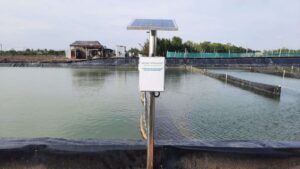
California has a wide range of public water agencies—local, regional, and statewide. These include water districts, cities, joint powers authorities, and wholesale agencies. Each one plays a different role, but they often overlap in service areas and responsibilities.
Here’s a quick look at the types of agencies involved:
| Agency Type | Main Role |
|---|---|
| Retail Water Agency | Delivers water to homes and businesses |
| Wholesale Agency | Sells water to retail agencies |
| Water District | Manages local water supplies |
| Joint Powers Authority (JPA) | Combines multiple agencies for projects |
| State Agency | Oversees regulation and major infrastructure |
This layered structure makes collaboration not just helpful—but necessary.
Reasons

Why do these agencies need to work together in the first place? For one, water doesn’t follow political boundaries. A drought in one area can affect supplies in another. A pipeline in one district might serve multiple cities. Without coordination, the system would be chaotic.
Other reasons include:
- Shared infrastructure like reservoirs and treatment plants
- Joint funding for expensive projects
- Emergency response during wildfires, earthquakes, or drought
- State compliance with laws like SGMA or SBX7-7
Working together saves money, time, and sometimes, entire communities from water shortages.
Planning
One of the key ways water agencies team up is through Integrated Regional Water Management (IRWM). This statewide planning effort encourages local agencies to form regional partnerships and apply for funding together.
Instead of competing for grants or building duplicate systems, they collaborate to:
- Identify regional needs
- Prioritize projects
- Secure state or federal funds
- Share data and modeling tools
For example, in places like Antelope Valley, agencies join forces through groups like the Antelope Valley State Water Contractors Association (AVSWCA) to tackle long-term supply planning.
Projects
Collaboration isn’t just paperwork—it leads to real projects on the ground. Some of the most successful joint efforts include:
- Groundwater recharge basins funded by multiple agencies
- Interconnected pipelines that allow water to be shared across districts
- Water recycling plants that serve entire regions
- Emergency interties for backup supply during disasters
Without agency cooperation, many of these large-scale projects wouldn’t be feasible.
Emergency
When disaster strikes, collaboration becomes critical. Whether it’s a wildfire, contamination event, or broken main, no agency wants to go it alone. Agencies coordinate through Mutual Aid Agreements, which let them share personnel, equipment, and water supplies in a crisis.
These partnerships are backed by organizations like CalWARN, a network that ensures fast, statewide emergency support. It’s like having a fire department for your water system—ready to respond when help is needed most.
Funding
Water projects can be expensive—often in the millions or even billions. When agencies team up, they stand a better chance of securing state and federal funding. Many grants actually require multi-agency applications.
Pooling financial resources also allows small agencies to be part of larger, more impactful solutions. That’s why collaboration is often the only way to afford infrastructure upgrades, conservation programs, or clean water initiatives.
Communication
Open communication keeps everything running smoothly. Agencies share water usage data, infrastructure maps, weather forecasts, and more through platforms and partnerships. They also host joint public meetings to keep residents informed and involved.
Clear communication also builds trust—between agencies and the people they serve.
Success
All across California, there are examples of how water agencies working together leads to success:
- In Los Angeles, multiple cities work with the Metropolitan Water District to deliver imported water.
- In the Bay Area, the SFPUC collaborates with nearby districts to share storage and supply.
- In Central California, irrigation districts and urban suppliers partner on groundwater management.
These success stories show that teamwork isn’t just a buzzword—it’s the backbone of California’s water system.
In a state where water is gold, public water agencies know that sharing the load is the only way forward. Their ability to work together, adapt to change, and plan for the future is what keeps the taps running—rain or shine.
FAQs
What is a retail water agency?
It delivers water directly to homes and businesses.
Why do agencies form partnerships?
To share infrastructure, costs, and improve water reliability.
What is IRWM in water planning?
It’s a regional strategy where agencies plan together.
How do agencies handle emergencies?
Through mutual aid agreements and emergency interties.
Who funds joint water projects?
State and federal grants often fund multi-agency efforts.