
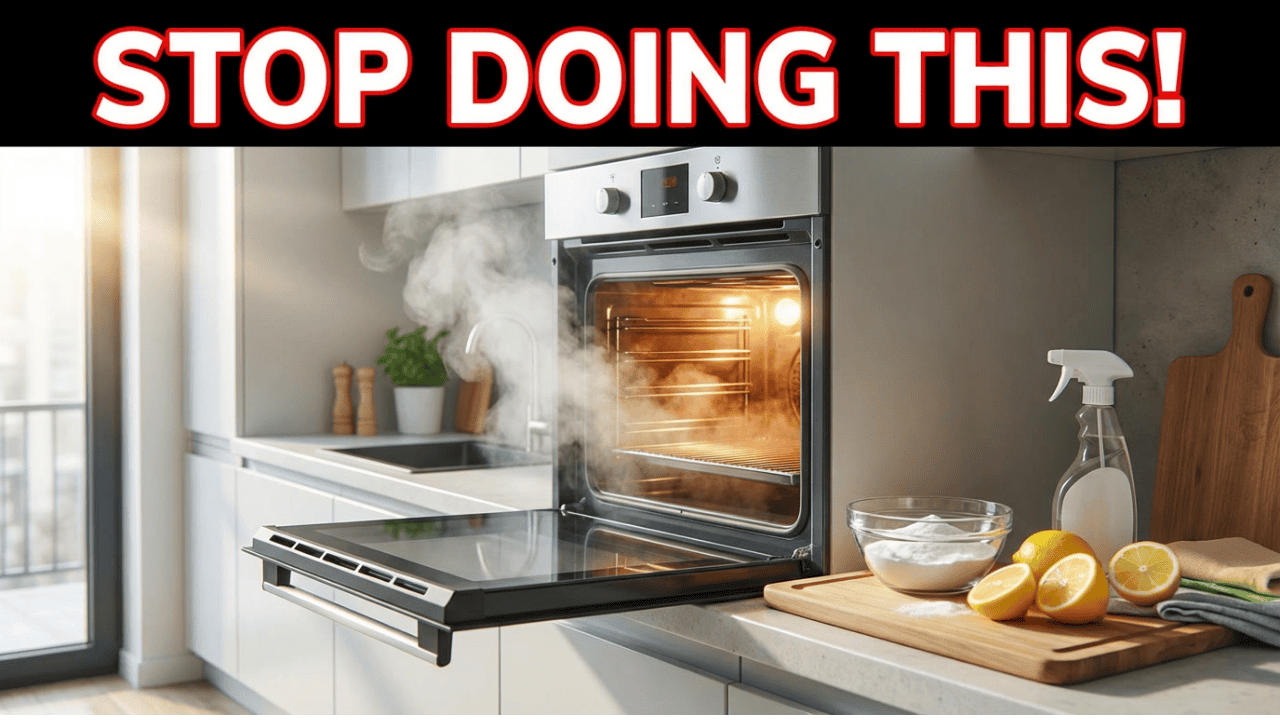
The oven door creaks open and greets you with a smell that’s equal parts smoke, sugar, and something that might once have been cheese. The glass is brown, the walls sticky, and you can almost feel the guilt building before you even grab a sponge. But here’s the thing: you don’t need industrial cleaners or a weekend sacrificed to fumes. A single pantry paste—baking soda, water, and a splash of vinegar or lemon—can quietly turn that horror show into something you’re not afraid to preheat again.
The Simple Science of the “Pantry Paste”
Baking soda (sodium bicarbonate) is the most underestimated cleaner in the kitchen. It’s mildly alkaline, which makes it a natural opponent for the acidic and fatty messes ovens collect. The grains act like a gentle exfoliant: rough enough to lift grime, soft enough to protect enamel and glass.

When you smear a thick paste of baking soda and water across burnt patches and leave it for a few hours—or overnight—it loosens carbonised grease and sticky residue. Wiping it away feels like lifting off a thin film of history. The surface may not sparkle like a new showroom model, but the glass clears, the smell softens, and food cooks without that smoky undertone that turns cookies into campfire snacks.
| Ingredient | Function | Best Use |
|---|---|---|
| Baking soda | Alkaline cleaner, gentle abrasive | Grease, grime, light carbon build-up |
| White vinegar | Acidic neutraliser, odour remover | Stubborn spots, smell control |
| Lemon juice | Natural degreaser, deodoriser | Fresh scent, mild acid clean |
| Coarse salt | Extra abrasion | Oven floors, racks, trays |
| Hot water | Steam softener | Loosens baked-on food before wiping |
Step-by-Step: The Low-Fume Method
- Make the paste. Combine ½ cup baking soda with 2–3 tablespoons of water until you get a spreadable texture—like thick icing.
- Apply generously. Brush or smear it on the oven floor, walls, and glass. Avoid heating elements.
- Let it rest. Two hours minimum, overnight if possible. The soda will dry into a dull crust.
- Add the fizz. Spray or dab white vinegar onto the dried paste. It will bubble—carbon dioxide gas releasing as the acid meets the alkali.
- Wipe and rinse. Use a damp cloth or sponge to sweep away the softened residue. Rinse twice for a streak-free finish.
- Add lemon for scent. Rub half a lemon over the glass or walls and let it sit for 30 minutes. The citric acid clears odours and gives a subtle brightness without fake perfume.
If you’re facing the post-holiday battlefield—turkey drippings, syrup splashes, mystery black patches—add a scoop of coarse salt to your paste. It gives just enough grit to scrape without scratching.
When Steam Does the Heavy Lifting
Not in the mood to scrub? Turn your oven into a DIY steam cleaner.

Place a shallow, oven-safe dish of hot water mixed with a cup of vinegar or lemon juice on the middle rack. Heat at 250°F (120°C) for about 30 minutes. When you open the door, don’t rush—let the steam hang. The humidity loosens hardened grease so the baking-soda method works twice as fast afterward.
It’s the same principle behind commercial steam-clean modes, only cheaper and kinder to your lungs.
The Chemistry Behind the Magic
This isn’t alchemy—it’s kitchen chemistry.
- Baking soda (alkaline) reacts with acids like tomato splashes, glaze drips, or cheese oils. It neutralises and lifts residue.
- When vinegar (acidic) hits baking soda, CO₂ bubbles form, agitating the grime and breaking it apart.
- Lemon’s citric acid dissolves fat molecules and neutralises odours instead of just covering them.

The combination of these pantry staples balances both sides of the pH scale, cutting through everything from baked sugar to burnt meat.
Why Regular Beats Rare
The reason most people dread oven cleaning is because they wait until it’s awful. The secret is light, regular maintenance. A quick soda scrub once a month or after big roasting weekends keeps buildup from turning into crusted carbon.
Neglected grease doesn’t just look bad—it affects cooking. Thick residue traps heat unevenly, causes smoke, and forces thermostats to work harder, raising energy use by up to 10%, according to Energy.gov.
It also taints flavor. Every smoky whiff from your “one-day-I’ll-clean-this” oven ends up in tomorrow’s muffins.
The One-Hour Refresh Routine
After a heavy dinner or baking session:
- Once the oven cools, scrape off loose bits with a plastic spatula.
- Spread a thin baking-soda paste on visible spots.
- Let it sit while you clean the dishes.
- Spray vinegar, let fizz, then wipe clean.
- Leave the door slightly open to air-dry.
Ten minutes today prevents hours of scrubbing next month.
Smarter, Safer Cleaning
Check your oven manual before going wild. Self-cleaning or catalytic liners don’t always get along with abrasives—even mild ones. Stick to soft cloths and non-metal sponges.
Avoid mixing baking soda with commercial cleaners or bleach. The reaction can release irritating fumes. Vinegar and lemon are plenty.
This isn’t about making your kitchen Instagram-shiny. It’s about the small, repeatable habits that make cooking less stressful and more enjoyable. Clean glass means you actually see your bread rise. A fresh-smelling oven makes the whole kitchen feel calmer.
One bowl of paste, a few common ingredients, and an hour later, you’ve turned grime into glow. That’s real kitchen alchemy.
FAQs
Will baking soda scratch my oven glass?
No, it’s a gentle abrasive. Avoid metal scourers and rinse thoroughly.
Can I use this on self-cleaning ovens?
Yes, but check the manual. Skip heavy scrubbing on catalytic liners.
How long should I leave the paste on?
At least two hours, or overnight for heavy buildup.
Does the vinegar smell linger?
Only briefly. Ventilate, or add lemon juice for a fresher scent.
Can I clean oven racks the same way?
Yes—soak them in hot water with soda and salt, then scrub lightly.