
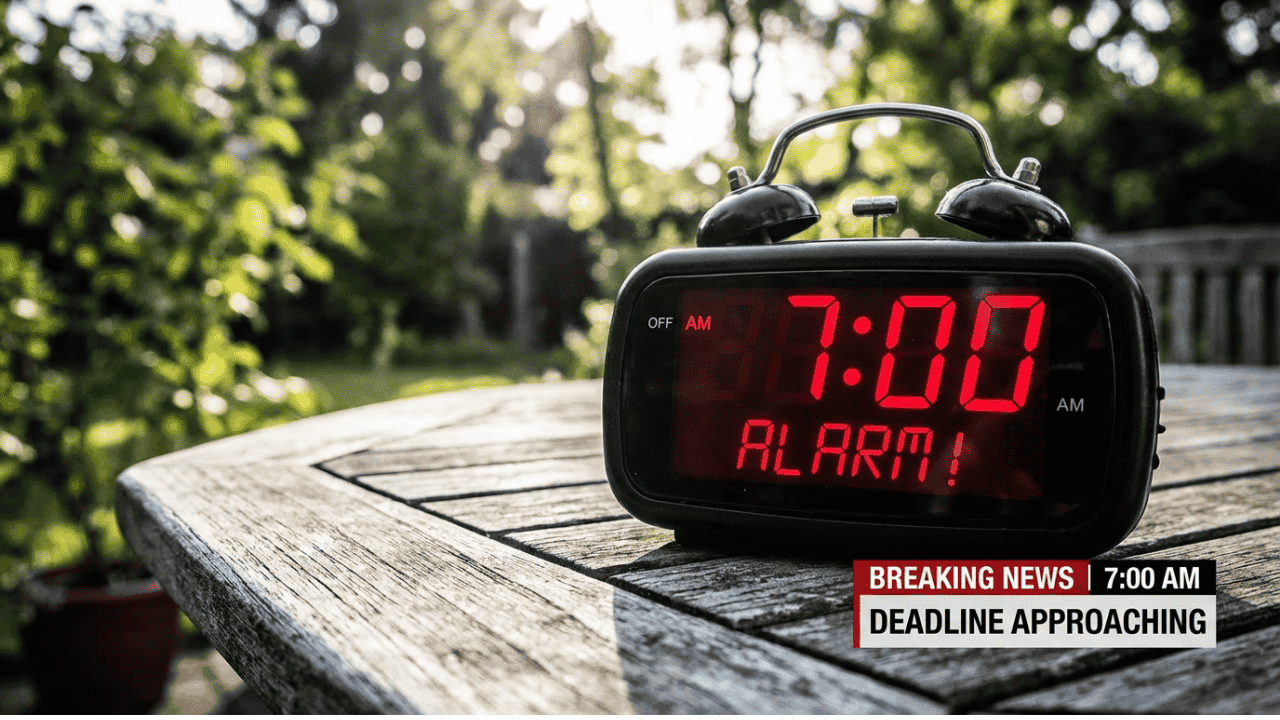
It creeps up on you quietly — no fireworks, no national countdown, just a subtle tick backward in the middle of the night. Yet that single hour can twist sleep cycles, moods, and morning routines all week long. In 2026, Daylight Saving Time ends on Sunday, November 1, and while that sounds routine, the “fall back” can still knock plenty of Americans off rhythm if they’re not ready for it.
The Mechanics of the Fall Back
At 2:00 a.m. local time on November 1, 2026, clocks across the U.S. roll back one hour, returning to Standard Time. For most people, that means an extra hour of sleep — at least in theory.

Smartphones, laptops, and connected devices will handle the switch automatically thanks to the official time signal managed by the National Institute of Standards and Technology. The rest — microwaves, wall clocks, ovens, and dashboard displays — will need that old-fashioned twist of the wrist.
| Event | 2026 Date | Time | Notes |
|---|---|---|---|
| End of Daylight Saving Time | Sunday, November 1, 2026 | 2:00 a.m. local time | Clocks fall back one hour |
| Start of Standard Time | November 1, 2026 | 1:00 a.m. (after rollback) | Earlier sunrise, earlier sunset |
| Duration of Standard Time | November 2026 – March 2027 | ~4 months | U.S. returns to DST on March 14, 2027 |
(Source: U.S. Department of Transportation – Daylight Saving Time Rules)
Why It Feels Harder Than It Looks
On paper, gaining an hour sounds like a tiny gift — an extra sixty minutes to sleep in, binge-watch, or linger over coffee. But your body’s internal clock, or circadian rhythm, doesn’t update as easily as your iPhone does. It’s tuned to light, not numbers. When daylight suddenly ends an hour earlier, your brain gets confused about when to feel tired and when to wake up.

According to the Centers for Disease Control and Prevention, even small disruptions in sleep timing can affect mood, focus, and reaction speed. The fall transition may be gentler than March’s “lost hour,” but plenty of people still feel foggy, irritable, or restless for several days afterward.
Common side effects include:
- Sluggish mornings and afternoon fatigue
- Mild mood dips or irritability
- Trouble falling asleep despite feeling tired
- Early-morning wakeups before sunrise
- Aggravated symptoms of Seasonal Affective Disorder (SAD), especially in northern states
How to Ease the Transition
Sleep specialists recommend treating the time change less like a surprise and more like a gradual adjustment. The key is to give your body time to adapt before the switch.

Try this plan:
- Shift bedtime earlier by 15–20 minutes for a few nights before November 1
- Wake up at a consistent time — including on Sunday morning
- Seek sunlight within an hour of waking to reset your body clock
- Limit blue light from screens after dark; it delays melatonin release
- Avoid caffeine after mid-afternoon and keep naps short (under 20 minutes)
Light, especially natural morning light, is the real reset button. Even 15 minutes by a sunny window or a quick walk outdoors can help your brain recalibrate faster than any alarm clock.
Safety Beyond Sleep
The time change also ushers in darker evenings — and with them, safety concerns. The National Highway Traffic Safety Administration (NHTSA) reports a notable uptick in pedestrian accidents during the weeks following the switch. Shorter daylight hours mean commutes, school pickups, and evening walks often happen in low light.
Simple precautions go a long way:
- Turn on headlights earlier, even at dusk
- Wear reflective gear if walking or biking after work
- Slow down in residential areas and near bus stops
- Be extra cautious with children crossing roads in dim light
It’s also the perfect time for the twice-yearly reminder from the U.S. Fire Administration: “Change your clocks, change your batteries.” Testing smoke alarms and carbon monoxide detectors in November (and again in March) ensures those safety systems are in working order before winter sets in.
Not Every State Plays Along
Daylight Saving Time isn’t universal. Hawaii and most of Arizona stay on Standard Time year-round (the Navajo Nation within Arizona being the exception). U.S. territories like Puerto Rico, Guam, American Samoa, and the U.S. Virgin Islands also skip DST entirely.
That patchwork of policies has long frustrated lawmakers and travelers alike, sparking ongoing calls for reform.
The Push for Change
The debate over Daylight Saving Time’s future remains one of Washington’s most persistent tug-of-wars. The Sunshine Protection Act — a bipartisan bill that would make DST permanent — passed the Senate unanimously in a previous session but stalled in the House.
Supporters argue that year-round daylight saving time would boost mood, cut energy costs, and reduce evening traffic accidents. Critics, including many health experts, counter that permanent Standard Time would better align with human biology, providing earlier morning light and more stable sleep.
As of early 2026, the legislation remains in limbo, with no federal change on the horizon. For now, the biannual ritual of “spring forward, fall back” continues — like clockwork.
The Smart Way to Handle the Shift
It might feel minor, but planning ahead can turn the change into an advantage rather than a disruption. Before heading to bed on Saturday, October 31, consider:
- Resetting manual clocks in advance
- Laying out reflective gear or adjusting travel plans for darker evenings
- Reviewing alarm settings on phones or smart devices
- Testing smoke alarms and detectors
Handled well, the end of Daylight Saving Time can actually feel refreshing — a symbolic pause before the deep stretch of winter. Handled poorly, it can leave your week dragging behind schedule and your brain one hour out of sync.
So when November 1 rolls around, take the win — but take it wisely.
FAQs
When does Daylight Saving Time end in 2026?
It ends on Sunday, November 1, 2026, at 2:00 a.m. local time.
How much time do we gain?
We gain one hour as clocks “fall back” to Standard Time.
Will my phone update automatically?
Yes, most modern devices adjust automatically using official time signals from time.gov.
Why do we still change clocks twice a year?
Federal law requires the time shift unless Congress acts to change it. Some states have passed bills supporting permanent DST, but none can take effect without federal approval.
How can I adjust to the change more easily?
Gradually shift your sleep schedule, seek morning sunlight, and keep your bedtime consistent in the days leading up to November 1.