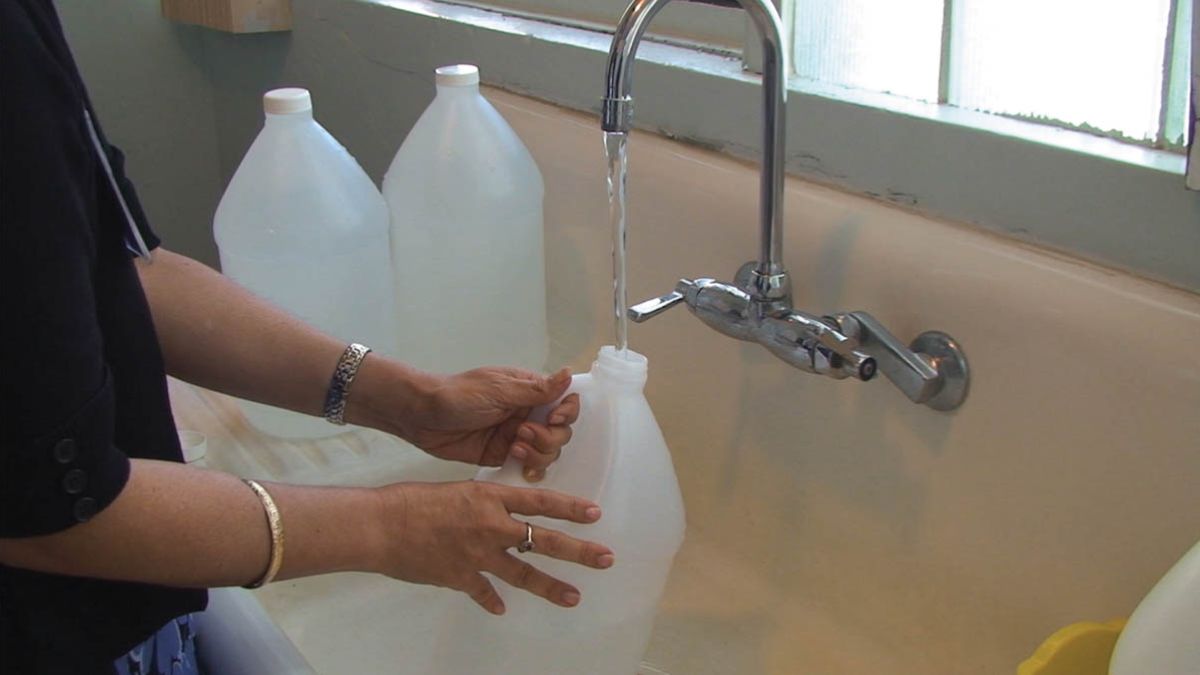

Population growth brings new energy, business, and development to a region—but it also brings a huge thirst for water. Whether it’s new homes, industries, or farming, every new person added to a community means more demand on an already limited water supply.
If you’ve ever wondered why water shortages seem to be getting worse, population growth is a big piece of the puzzle. Let’s take a closer look at how growing populations impact water demand—and why this matters now more than ever.
Basics
More people means more water is needed—plain and simple. We use water to drink, bathe, cook, flush toilets, irrigate landscapes, produce energy, and grow food. As cities grow, all of these needs grow too.
An average American household uses over 300 gallons of water per day, and urban areas can see water use skyrocket when new developments come in. Multiply that by thousands of new homes, and you’ve got a serious strain on your water infrastructure.
Urban
In growing cities, population growth pushes up municipal water demand. That means cities need more water for homes, schools, offices, restaurants, hospitals, and everything in between.
This forces cities to:
- Expand water infrastructure (pipes, tanks, treatment plants)
- Secure new water sources (wells, rivers, or imports)
- Implement water-saving programs
But this all takes money—and time. When water demand grows faster than infrastructure upgrades, shortages and restrictions follow.
Agriculture
Population growth doesn’t just affect urban areas. As more people move in, the demand for food increases too. That puts pressure on agriculture, which already uses the majority of water in many regions.

To feed more people, farms must:
- Plant more crops
- Expand irrigation systems
- Compete for water with nearby cities
In places like California’s Central Valley, this has created major tension between urban and agricultural water users, especially during droughts.
Energy
Here’s a hidden connection: growing populations also increase energy demand, and energy production uses a lot of water.
Water is used to cool power plants, refine fuels, and generate hydroelectric power. As energy demands rise, so does the pressure on water systems—creating a feedback loop that most people don’t realize exists.
Environment
As water demand rises, the environment often pays the price. Rivers are diverted, groundwater is pumped faster than it can be refilled, and wetlands dry up to make room for new homes or developments.
This can cause:
- Shrinking habitats for fish and wildlife
- Lower water quality due to runoff and pollution
- Declining groundwater levels and land subsidence
More people doesn’t just mean more water use—it means more stress on fragile ecosystems.
Drought
In times of drought, high population growth can make things worse. With more people relying on limited supplies, restrictions must be harsher, and recovery takes longer.
Even when rainfall returns, areas with large, growing populations take longer to bounce back—because demand stays high, even when supply is low.
Solutions
So how do communities deal with rising water demand?
Here are some strategies being used:
| Solution Type | Description |
|---|---|
| Conservation | Water-saving appliances, landscaping, education |
| Recycled Water | Treating wastewater for non-drinking use |
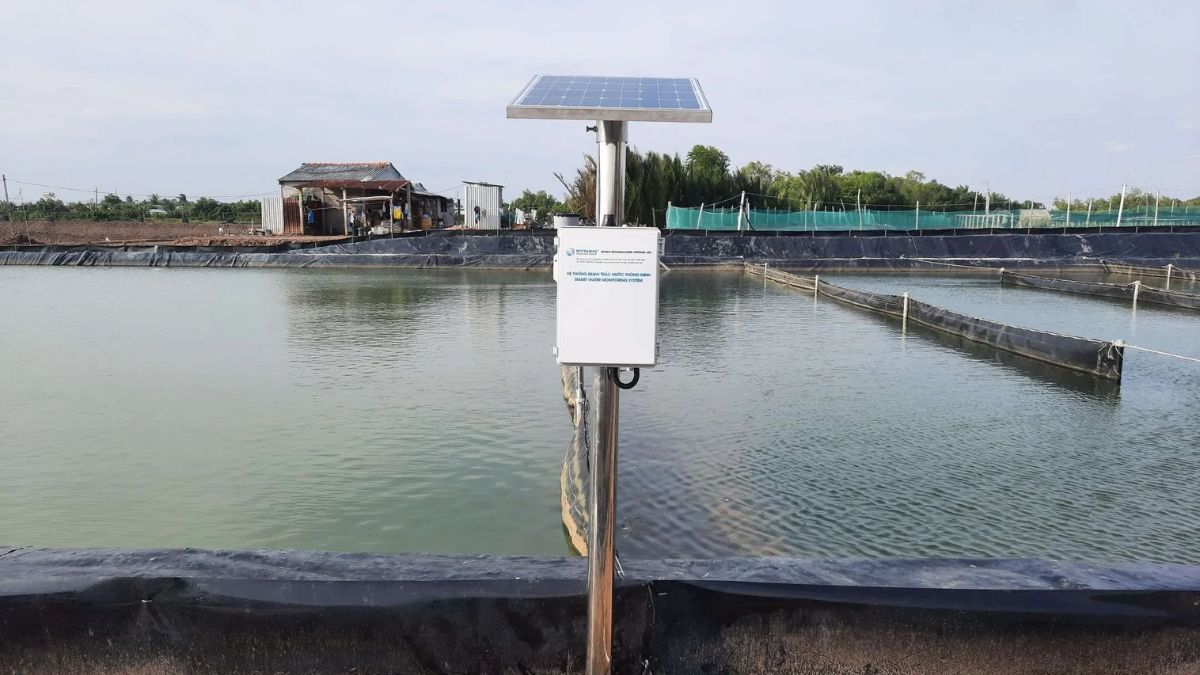
| Smart Infrastructure | Leak detection, digital meters, AI for efficiency |
| Urban Planning | Limiting sprawl, building high-efficiency homes |
| Rate Structures | Tiered pricing to encourage less consumption |
The goal is to meet the needs of the growing population without draining our future dry.
Planning
This is where long-term water planning comes into play. Cities and states must forecast population growth decades in advance and build water systems that can keep up.
That includes:
- Securing diverse water sources (groundwater, recycled, stormwater)
- Creating drought contingency plans
- Collaborating across regions
If population growth isn’t matched with smart planning, water demand will always be a step ahead of supply.
Climate
Add climate change into the mix, and the challenge grows. Warmer temperatures mean more evaporation, less snowpack, and more erratic rainfall—all while populations continue to rise.
This means future water planning must consider not just how many people will need water, but also how much less water might be available.
Population growth itself isn’t the problem—it’s how we prepare for it. Water demand will keep rising, but with smart planning, better infrastructure, and conservation, we can support growing communities without running dry.
Knowing the link between population and water use helps us make better choices, push for better policies, and protect the resources we all depend on. Growth is inevitable—running out of water doesn’t have to be.
FAQs
Why does population growth raise water demand?
More people means more water is needed for homes, food, and energy.
Does agriculture feel the impact of growth?
Yes, higher food demand increases farm water use and competition.
How does growth affect the environment?
It leads to habitat loss, groundwater depletion, and pollution.
Can water systems handle growing cities?
Only with long-term planning, smart infrastructure, and investment.
Is climate change making this worse?
Yes, it reduces supply while demand keeps increasing with growth.