
Groundwater is California’s hidden water supply. It flows beneath our feet, stored in natural underground aquifers, and during droughts, it becomes a lifeline for farms, cities, and rural areas alike. But it’s not an unlimited resource.
Mismanagement can lead to major problems—sinking land, dried-up wells, and long-term damage to water quality. That’s where groundwater management comes in.
Here’s a simple breakdown of how it works and why it matters to every Californian.
Definition
Groundwater is water stored underground in soil and rock formations. When rain and snowmelt seep into the ground, they recharge aquifers—think of them as natural water tanks.
Groundwater management is the process of monitoring, regulating, and preserving this resource so it can be used sustainably. It’s all about making sure we don’t take out more than we put back in.
Importance
In California, groundwater supplies about 40% of the state’s water in average years—and up to 60% during droughts. That’s huge. Without it, much of the Central Valley’s agriculture wouldn’t survive, and many communities would have no reliable water source.
But here’s the catch: for decades, groundwater use wasn’t regulated statewide. People could pump as much as they wanted. This led to:
- Falling groundwater levels
- Dry wells in rural areas
- Land subsidence (the ground literally sinks)
- Saltwater intrusion in coastal aquifers
These problems sparked the need for a statewide plan.
SGMA
Enter the Sustainable Groundwater Management Act (SGMA), passed in 2014. It’s California’s first attempt to manage groundwater at the local level.
Under SGMA, local agencies called Groundwater Sustainability Agencies (GSAs) are responsible for developing and enforcing plans to keep groundwater use balanced.
Here’s a quick look at what SGMA requires:
| SGMA Goal | What It Means |
|---|---|
| Sustainability | Use groundwater without long-term harm |
| Local Control | Plans are created and managed by local GSAs |
| Deadlines | Plans were due in 2020–2022, full goals by 2040 |
| Monitoring | Regular tracking of water levels and pumping |
| Enforcement | GSAs can fine users or restrict pumping |
How It Works
If you live in a groundwater basin, chances are a GSA is managing it. These agencies are made up of local water districts, counties, or cities. They:
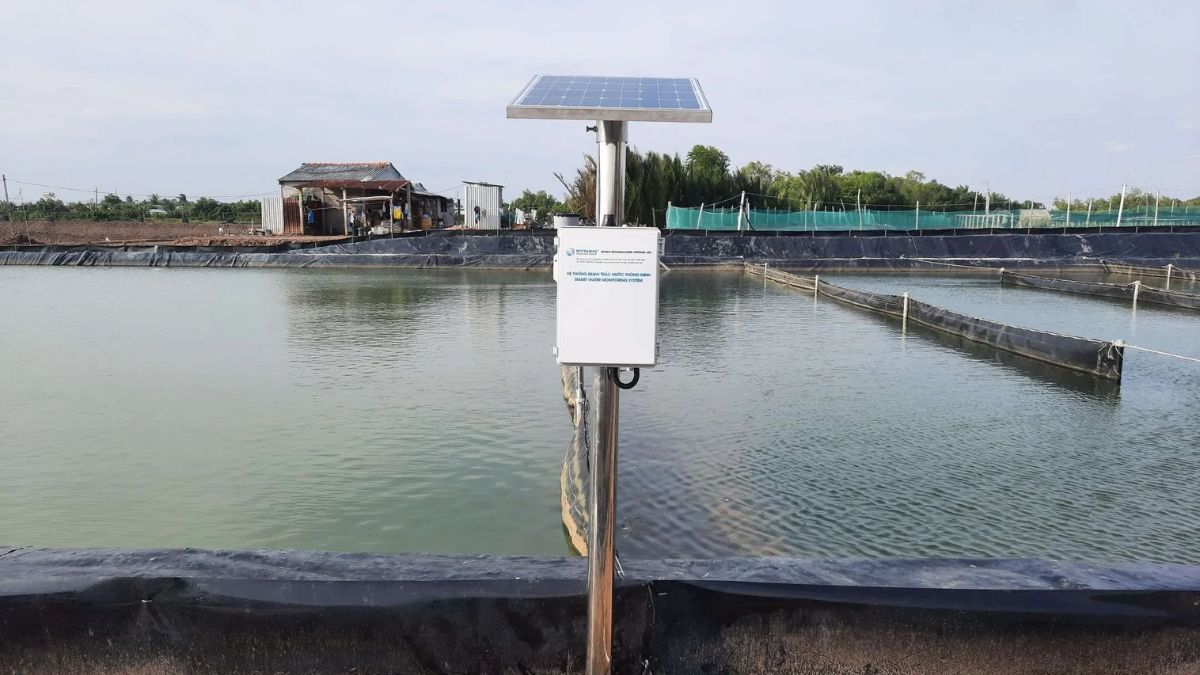
- Measure how much water is going in and out of the aquifer
- Create Groundwater Sustainability Plans (GSPs)
- Set limits on how much water can be pumped
- Plan projects to recharge groundwater, like stormwater capture
- Enforce penalties if users exceed limits
You can often attend public meetings or view their plans online to stay informed.
Recharge
One of the best ways to protect groundwater is to recharge it. That means allowing water to soak back into the ground instead of sending it down storm drains.
Common recharge methods include:
- Flooding open fields in winter
- Creating recharge ponds or basins
- Diverting stormwater to percolation zones
- Allowing rivers to flow more naturally
Many local agencies are investing in recharge projects to help rebuild depleted aquifers.
Wells
If you use a private well, groundwater management affects you directly. During droughts or heavy pumping years, your well could run dry or the water quality could worsen.
Here’s what you should do:
- Monitor your well depth and water quality
- Report any issues to your local GSA
- Conserve water during dry seasons
- Stay updated on GSPs that affect your area
Some counties now require permits to drill new wells, especially in critically over-drafted basins.
Benefits
While regulation can feel restrictive, good groundwater management benefits everyone:
- Reliable water supply year-round
- Better water quality for drinking and farming
- Reduced flood risk through managed recharge
- Preserved ecosystems that depend on shallow groundwater
- Protection during droughts when surface water runs dry
It’s all about building resilience for the long haul.
Your Role
Whether you’re a homeowner, farmer, or business owner, here’s how you can help:
- Fix leaks and reduce water waste
- Support local water recharge projects
- Get involved with your local GSA
- Educate others about sustainable water use
Small actions, when multiplied, can help stabilize the groundwater we all depend on.
Groundwater may be out of sight, but it shouldn’t be out of mind. With the right management and community support, we can protect this precious resource for generations to come. You don’t have to be a water expert to make a difference—you just have to care and stay informed.
FAQs
What is groundwater?
Water stored underground in aquifers beneath the soil.
Why is groundwater important?
It provides 40–60% of California’s water supply.
What is SGMA?
A 2014 California law to manage groundwater sustainably.
How can I protect groundwater?
Conserve water, fix leaks, and support recharge projects.
What is a GSA?
A local agency that manages groundwater under SGMA.