
Antelope Valley is no stranger to water challenges. With its arid climate, growing population, and shrinking groundwater levels, the need for water sustainability isn’t just important — it’s urgent. But the good news is, the region isn’t sitting back.
From local conservation programs to long-term groundwater management, Antelope Valley is taking serious steps to secure its water future. If you’re wondering what’s being done and how it impacts you, here’s a simple breakdown of the valley’s key water sustainability initiatives.
Background
Located in northern Los Angeles County and southeastern Kern County, Antelope Valley relies heavily on groundwater for residential, agricultural, and industrial use. But decades of over-pumping led to a major groundwater crisis, including falling water tables and land subsidence.
To tackle this, local agencies, courts, and communities have rolled out a series of water sustainability measures — some legally required, others voluntary. Let’s dive into the biggest ones.
Groundwater Adjudication
One of the most important legal actions for Antelope Valley’s water future is the Antelope Valley Groundwater Adjudication. After years of lawsuits, a court issued a judgment in 2015 to determine who could pump how much water from the basin.
The ruling created a structured framework that limits groundwater use based on historic rights and sustainability goals. A Watermaster was appointed to oversee compliance and reporting.
This move is critical to preventing further overdraft and keeping groundwater levels stable for future generations.
Sustainable Groundwater Management Act (SGMA)
While the adjudication handles rights, California’s SGMA focuses on long-term sustainability. Even adjudicated basins like Antelope Valley must align with SGMA’s goals.
This law requires local agencies to:
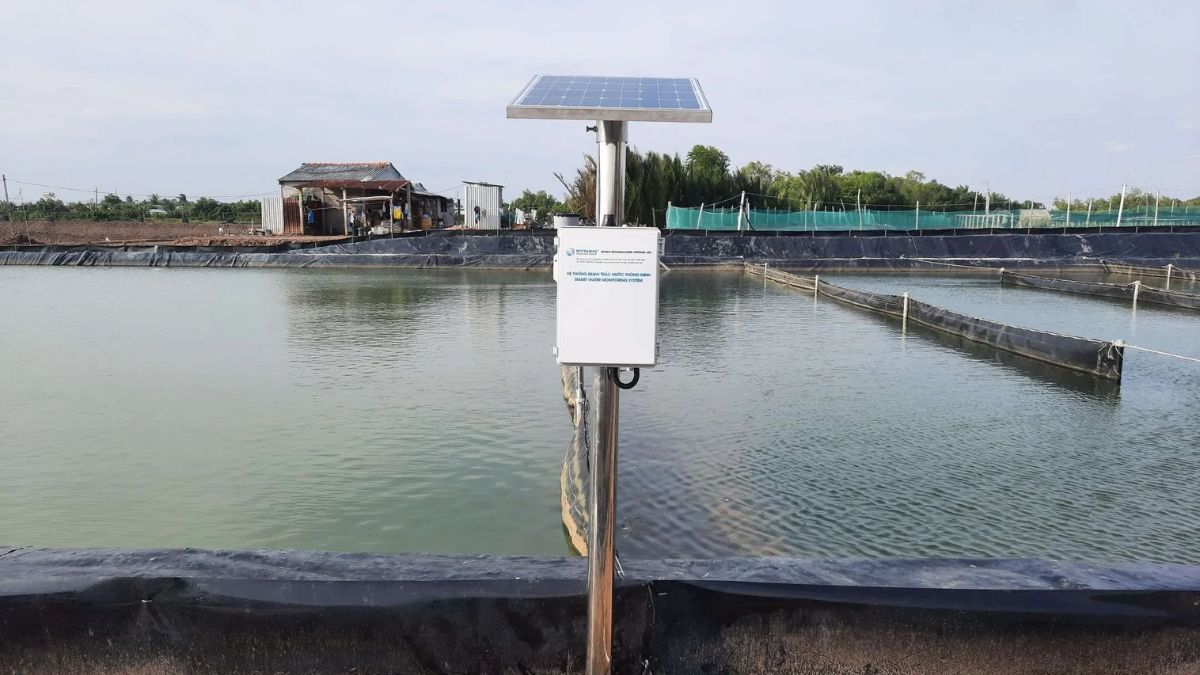
- Monitor groundwater levels
- Prevent undesirable results like land subsidence and water quality issues
- Develop long-term sustainability plans
The local Groundwater Sustainability Agency (GSA) works with the Watermaster and other stakeholders to ensure the basin stays balanced.
Water Recycling
Another big initiative? Water recycling. Instead of sending treated wastewater out of the region, local agencies are working to reuse it for non-drinking purposes like:
- Landscaping
- Agriculture
- Industrial cooling
Projects like the Palmdale Recycled Water Authority (PRWA) are leading the way in building infrastructure to deliver recycled water where it’s needed.
This reduces demand on groundwater and imported water, helping stretch supplies further.
Conservation Programs
Local cities and water agencies offer rebates and resources to encourage conservation at home and in businesses. These include:
- Cash for Grass programs to replace lawns with drought-tolerant plants
- Rebates for low-flow toilets, efficient washers, and smart irrigation controllers
- Free home water audits and leak detection kits
By reducing demand at the user level, these programs directly contribute to long-term sustainability.
Stormwater Capture
While rain is rare in Antelope Valley, when it does fall, it often runs off unused. That’s why stormwater capture is a growing focus. New basins and infrastructure are being built to collect and store runoff for later use or groundwater recharge.
This strategy turns short bursts of rainfall into a long-term resource — especially important in a dry climate.
Imported Water Management
Antelope Valley gets supplemental water through the State Water Project (SWP), delivered by the Antelope Valley-East Kern Water Agency (AVEK). But state allocations fluctuate based on snowpack and environmental regulations.
That’s why local agencies are investing in storage projects to hold imported water when it’s available — reducing reliance on pumping during dry years.
Here’s a quick summary of the main initiatives:
| Initiative | Goal | Lead Agencies/Programs |
|---|---|---|
| Groundwater Adjudication | Limit overdraft, allocate fair use | Watermaster, court ruling |
| SGMA Compliance | Ensure long-term basin sustainability | Groundwater Sustainability Agency |
| Water Recycling | Reuse water for non-potable purposes | PRWA, local cities |
| Conservation Incentives | Reduce per-person water use | Local water districts |
| Stormwater Capture | Recharge aquifers with rainwater | LA County, city stormwater plans |
| Imported Water Storage | Maximize state water deliveries | AVEK, regional partners |
Public Engagement
Water sustainability isn’t just about agencies — it needs public support. Local water boards encourage residents to attend meetings, participate in conservation programs, and stay informed.
Many agencies also offer online dashboards to track local water levels, usage, and progress toward sustainability goals.
Future Planning
Looking ahead, Antelope Valley is focusing on long-term planning. This includes:
- New pipelines and recharge basins
- Regional coordination between cities and counties
- Investing in climate resilience through technology and infrastructure
Agencies are also modeling future water demand and climate scenarios to plan more effectively. It’s not just about solving today’s problem — it’s about protecting tomorrow’s water.
Antelope Valley faces big water challenges, but it’s also making big moves. From courtroom decisions to recycled water systems and drought-tolerant landscapes, the region is working hard to build a more secure water future.
If you live, work, or own property here, these efforts affect you — and your participation matters. Whether you’re installing a smart sprinkler or showing up at a water district meeting, every action counts in the journey toward sustainability.
FAQs
What is the groundwater adjudication?
A court ruling that limits how much groundwater each user can pump.
What does SGMA mean for Antelope Valley?
It enforces sustainable groundwater use through local plans and tracking.
Can I get rebates for saving water?
Yes, local agencies offer rebates for conservation upgrades and turf removal.
How is recycled water used?
It’s used for irrigation, landscaping, and industrial purposes — not for drinking.
What is stormwater capture?
Collecting rainwater runoff to reuse or recharge local groundwater.