When it comes to reliable water, most of us don’t think twice. We turn on the tap, flush the toilet, or water the garden expecting water to be there every time. But behind that simple act is a massive, aging infrastructure system that needs constant care.
Without investment in pipes, pumps, reservoirs, and treatment plants, that everyday convenience could vanish in an instant. So how exactly does investing in infrastructure improve water reliability? Let’s break it down.
Aging
Much of the water infrastructure in the U.S. and many other countries was built decades ago – some over a century. Many of these systems were designed for smaller populations and less extreme climate conditions. As demand has grown and weather patterns have changed, these outdated systems are struggling to keep up.
Old pipes corrode, crack, and leak. Treatment plants become inefficient. Reservoirs can no longer handle intense storms or droughts. In short, without updates, these systems are ticking time bombs.
Investing in upgrades extends the life of these systems, prevents failures, and helps deliver water more consistently, especially during times of stress like heatwaves or dry seasons.
Efficiency

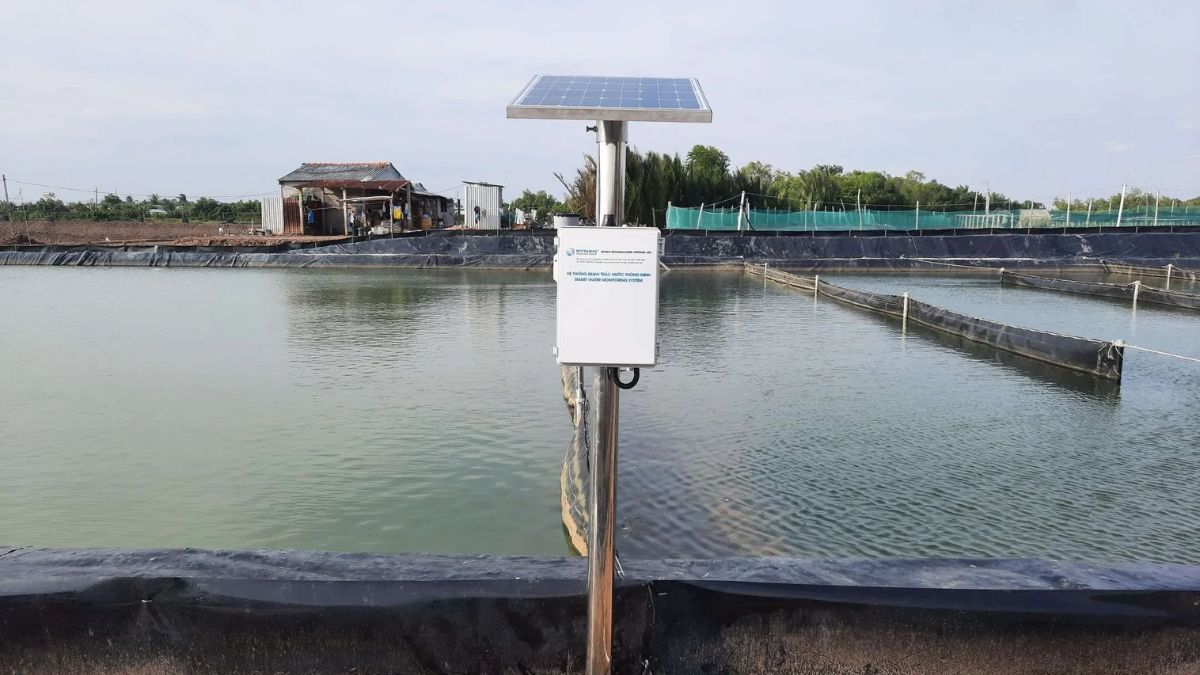
Modern infrastructure means better efficiency. New pipes reduce water loss through leaks. Updated treatment systems use less energy and produce cleaner water. Smart meters help utilities track usage and detect problems early.
Think of it like switching from a flip phone to a smartphone – everything becomes faster, more accurate, and more efficient. Water utilities can monitor pressure, temperature, and flow in real-time, spotting issues before they become disasters.
This level of control improves reliability because it allows quicker response times and smarter management during emergencies or peak demand.
Capacity

Population growth and urban development mean more people are using the same water supply. Without expanded infrastructure, systems can become overloaded.
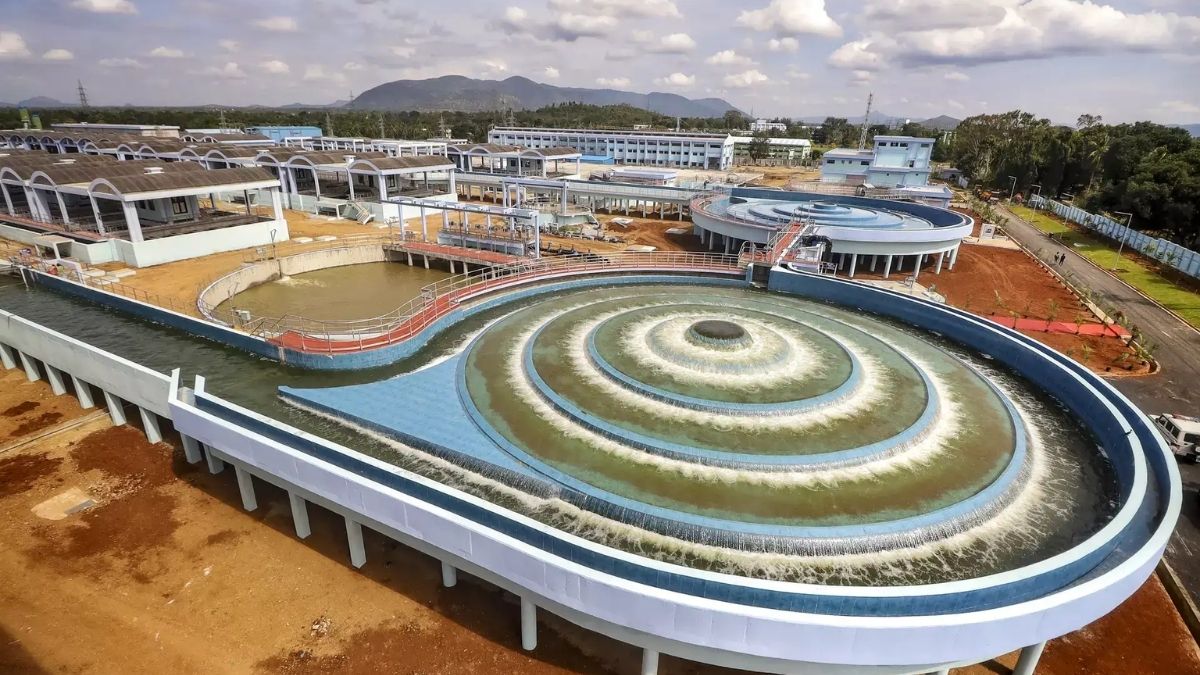
Investments in new reservoirs, pumping stations, and desalination plants increase capacity and ensure water keeps flowing even during high-demand periods. The more sources and storage options a city has, the more secure its supply.
This is especially important in places dealing with water stress. California, for example, has turned to recycled water and stormwater capture projects to supplement existing supplies.
Here’s a look at how different infrastructure upgrades help:
| Infrastructure Type | Benefit to Water Reliability |
|---|---|
| Pipelines | Reduce leaks and improve flow |
| Treatment Plants | Ensure water quality and supply safety |
| Reservoirs & Storage | Buffer during droughts and high demand |
| Smart Technology | Real-time monitoring and fast response |
| Reuse Systems | Add alternative water sources |
Resilience
Climate change brings more frequent droughts, floods, and extreme weather. Old infrastructure wasn’t built for this. Roads get washed out. Pipes freeze. Reservoirs overflow or dry up.
Modern infrastructure is designed with resilience in mind. Elevated pumps, flood-proof treatment plants, and drought-resistant storage help cities and communities withstand climate shocks.
Infrastructure investment isn’t just about today – it’s about preparing for tomorrow. The more resilient the system, the more reliable the water, even in the face of environmental chaos.
Safety
Reliable water isn’t just about availability – it’s about safety. Contaminated water can make entire communities sick. Flint, Michigan is a painful reminder of what happens when infrastructure is ignored.
Upgraded treatment systems ensure compliance with current safety standards. New monitoring tools detect threats early. And better-designed storage and delivery systems reduce the risk of contamination.
Safe water is non-negotiable. Infrastructure plays a key role in making sure what comes out of the tap won’t harm your health.
Jobs
Infrastructure investment doesn’t only benefit water supply – it boosts the economy. Every water project creates jobs in engineering, construction, maintenance, and tech.
Plus, modern systems often reduce operational costs over time. Less wasted water, fewer emergency repairs, and more efficient energy use all mean better budgets for local governments and utilities.
Investing in water infrastructure is like fixing a leaky roof before the storm hits. It’s not flashy, but it’s smart. It builds confidence, reduces risks, and ensures that communities, farms, and businesses can rely on a stable water supply no matter what.
Whether it’s repairing old pipes or building high-tech treatment plants, these investments pay off in more ways than one. Water is life – and infrastructure is how we keep it flowing.
FAQs
Why invest in water infrastructure?
To prevent failures and ensure reliable water access.
How do old pipes affect water supply?
They leak, break, and lower water system efficiency.
What is smart water technology?
Systems that monitor flow and detect leaks in real time.
Does new infrastructure save money?
Yes, by cutting losses and reducing repair costs.
How does climate change affect water systems?
It stresses old systems, causing droughts or floods.