Water is essential to everyday life, but understanding how it gets from the source to your faucet can be confusing. Who’s in charge?
Is it your city, a state agency, or someone else entirely? The answer often depends on where you live—and it usually involves both local water districts and state water agencies. While they may seem similar, they have very different roles.
In this article, we’ll break down the key differences between the two and why both are important in managing water.
Overview
Local water districts and state water agencies work together to manage and distribute water—but they do it at different levels and for different purposes.
Think of it like this: local water districts handle the day-to-day stuff—like getting clean water to your house—while state agencies focus on the big-picture challenges like water supply, environmental protection, and long-term planning.

Let’s cut into the specifics.
Local Districts
Local water districts (also called municipal or community water systems) are public agencies created to serve a specific geographic area. Their job is to provide water services directly to homes, businesses, and public buildings.
What They Do
- Treat and deliver drinking water
- Maintain pipes, pumps, and infrastructure
- Monitor water quality and meet health standards
- Set local rates and usage rules
- Respond to customer service issues and emergencies
Who They Serve
Local districts serve residents within city or district boundaries. Some only provide drinking water, while others also handle wastewater and recycled water services.
Examples
- East Bay Municipal Utility District (EBMUD)
- Los Angeles Department of Water and Power (LADWP)
- Santa Clara Valley Water District
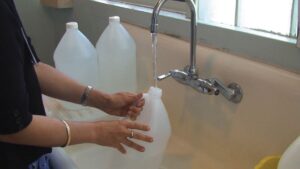
Each district is run by a board (often elected) that makes decisions on policies, rates, and service areas.
State Agencies
State water agencies, on the other hand, operate at the state level. They focus on regulating, planning, and allocating water resources across multiple regions.
What They Do
- Oversee water rights and usage permits
- Monitor water supplies across the state
- Enforce water quality laws and environmental regulations
- Fund infrastructure projects through grants or loans
- Plan for droughts, floods, and climate change impacts
Key Roles
These agencies don’t typically deliver water directly to homes. Instead, they support and regulate local water districts and help manage large systems like reservoirs, aqueducts, and rivers.
Examples
- California Department of Water Resources (DWR): Manages the State Water Project, a system of dams and canals serving 27 million people.
- State Water Resources Control Board (SWRCB): Sets water quality standards and issues permits.
- California Environmental Protection Agency (CalEPA): Oversees water pollution control and sustainability initiatives.
Key Differences
Here’s a side-by-side comparison:
| Feature | Local Water Districts | State Water Agencies |
|---|---|---|
| Service Area | Specific cities or regions | Entire state or major basins |
| Delivers Water to Homes | Yes | No |
| Sets Water Rates | Yes | No (but may influence indirectly) |
| Regulates Water Quality | Follows state rules | Sets rules and enforces them |
| Plans Long-Term Supply | Locally focused | Statewide and regional planning |
| Infrastructure Funding | Local ratepayer funds | Grants, loans, and state bonds |
| Governing Body | Local board or city council | State officials or appointees |
Collaboration
Though they serve different roles, these two entities must work together—especially in times of drought, emergency, or infrastructure development.
For example:
- A state agency might issue drought orders, and the local district enforces them.
- State grants can help a local district build a new water recycling plant.
- State regulators test and oversee compliance, but local teams carry out day-to-day water testing.
This partnership is critical for managing complex challenges like climate change, population growth, and outdated infrastructure.
Challenges
With so many players involved, coordination can be tricky. Sometimes, local districts and state agencies clash over priorities or funding.
Challenges include:
- Water rights disputes
- Conflicting conservation goals
- Delays in permitting and funding approvals
- Public confusion over who to contact
That’s why transparency, communication, and clear roles are key to making the system work.
Why It Matters
Knowing who does what helps you know where to go for help—or how to get involved. For example:
- Need to report a water main break? Call your local district.
- Want to learn about water rights or drought policy? Check with a state agency.
- Curious about your water quality? Your local provider must test and report it—but under state guidelines.
Being informed helps residents make better decisions and hold the right people accountable.
Water management in California—and across the U.S.—is a layered system. Local water districts keep the water flowing in your neighborhood, while state agencies make sure that system is safe, sustainable, and ready for the future.
Both are essential. And as climate change and population growth put more pressure on our water supply, collaboration between local and state levels is more important than ever.
FAQs
What does a local water district do?
They deliver water, maintain systems, and set local rates.
Do state water agencies provide water to homes?
No. They manage and regulate water statewide, not locally.
Who sets water quality rules?
State agencies set standards. Local districts must follow them.
Can local water districts get funding from the state?
Yes. They often receive grants and loans for water projects.
Who handles drought planning?
State agencies lead, but local districts implement actions.