The work-from-home argument has produced more heat than light for years. Managers warn of fading discipline and quiet quitting. Employees counter with stories of reclaimed mornings and sharper focus. Now, a rare four-year Australian study cuts through the noise with something the debate has badly needed: long-term evidence. And its conclusion is refreshingly blunt. When remote work is a choice, not a mandate, people are healthier, happier, and just as productive—often more so.
This wasn’t a snapshot taken during peak lockdown panic. Researchers from the University of South Australia (UniSA) followed Australian workers before COVID-19, through lockdowns, and into the post-pandemic reset. That timeline is what makes the study stand out. Most research only captured emergency remote work. This one tracked how real routines evolved once the crisis phase passed.
Why this study matters more than most

Before 2020, working from home in Australia was still treated as a perk—something you negotiated, not expected. Then COVID hit, offices shut overnight, and kitchen tables became desks for millions.
What UniSA had, unusually, was a clean baseline. Researchers already had data from pre-pandemic work patterns, which allowed them to compare health, sleep, diet, physical activity, stress, and well-being across four turbulent years. The university has detailed the findings in its public health research updates, noting that autonomy—not location—was the critical variable.
The result wasn’t a glossy remote-work fantasy. It was nuanced. But when people had control over where they worked, the outcomes leaned decisively positive.

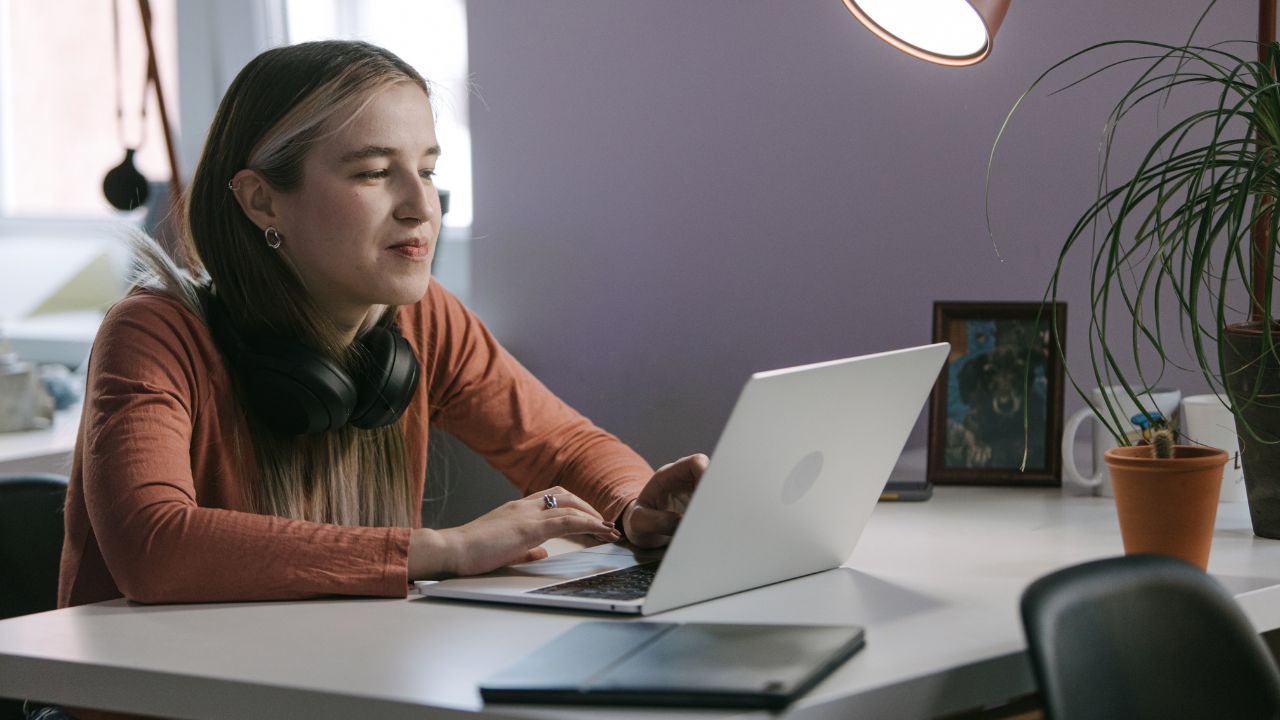
[Image: Australian home office setup with laptop near a window]
The sleep effect nobody can ignore
The most immediate and consistent change was sleep. On average, remote workers gained about 30 extra minutes per night.
Half an hour doesn’t sound life-changing—until you zoom out. Public health experts regularly stress that even modest increases in sleep reduce long-term risks linked to heart disease, anxiety, and depression. Guidance from the Australian Government Department of Health highlights how chronic sleep restriction quietly undermines both mental and physical health.

The reason for the sleep bump wasn’t mysterious. Commuting vanished.
Before the pandemic, Australians spent roughly 4.5 hours a week traveling to and from work. That time didn’t come from nowhere. It came out of sleep, family time, and recovery. Remove the commute, and the body gets some breathing room.
Long commutes are strongly associated with chronic stress and poorer mental health. Their removal led to measurable improvements in mood stability, energy, and emotional resilience.
Researchers did flag one early red flag: alcohol consumption ticked up during initial lockdowns. But that increase faded as restrictions eased, while mental well-being scores continued to rise. The signal was clear—this was pandemic anxiety, not remote work, showing through.
Time gained became control gained
When people stopped commuting, they didn’t simply pour those hours back into work. They redistributed them.
The study found saved time was split roughly like this:
| Where the time went | Observed impact |
|---|---|
| Focused work | Fewer interruptions, deeper concentration |
| Caregiving & home tasks | Reduced stress spillover |
| Leisure & exercise | Better recovery and mood |
Roughly one-third of reclaimed time went into leisure and physical activity. That matters. Spanish research cited by Australian academics suggests teleworkers effectively gain up to 10 extra free days per year. Less traffic means more movement, less stress eating, and better recovery between workdays.
This rebalancing helps explain why burnout didn’t explode under remote models—even with longer screen time.
[Image: Person walking outside during daylight after finishing work at home]
Eating habits improved, not worsened
Early on, employers worried about endless snacking. There was some truth to that during lockdown chaos. But over time, the trend flipped.
Participants reported:
More fruits and vegetables
Higher intake of balanced meals
Less reliance on takeaway food
More consistent home cooking
Easy kitchen access didn’t just enable snacking. It enabled choice. People could prepare real meals instead of grabbing whatever was closest to the office. Nutrition guidance from the Australian Institute of Health and Welfare links regular home-cooked meals with better metabolic health and long-term outcomes.
Remote work didn’t magically make people healthier eaters. It gave them the opportunity to be.
Productivity didn’t fall—autonomy mattered more
This is where skepticism usually peaks. If nobody’s watching, won’t output drop?
UniSA’s answer: no. Productivity held steady and often improved. The deciding factor wasn’t where people worked. It was whether they chose to work that way.
When telework was forced during strict lockdowns, well-being dipped due to isolation and uncertainty. When flexibility became optional, motivation rebounded.
That finding lines up with national labor data from the Australian Bureau of Statistics, which has shown stable output across industries that adopted flexible work arrangements.
In plain terms: autonomy fuels performance. Surveillance doesn’t.
Culture didn’t collapse—but it needs design
The study doesn’t pretend remote work is friction-free. Relationship-building is harder on screens. New hires struggle more. Informal knowledge sharing doesn’t happen by accident.
But one conclusion was unambiguous: reduced face time did not reduce output.
The fix isn’t dragging everyone back five days a week. It’s intentional design—hybrid schedules, structured collaboration days, better onboarding, and leadership focused on outcomes rather than visibility.
Remote work doesn’t kill culture. Poor management does.
[Image: Hybrid team meeting with some members remote, some in office]
What this really changes about work
The biggest takeaway isn’t about Zoom fatigue or pajama jokes. It’s about redefining what work is meant to support.
Across the four years, employees with remote or hybrid options consistently reported:
Higher job satisfaction
Better mental and physical health
Greater sense of control over daily life
That doesn’t mean remote work fits every role or personality. Some jobs need physical presence. Some people thrive on in-person energy. Flexibility isn’t universal—but it should be default, not a favor.
As Australian policymakers assess workforce participation and productivity through bodies like the Australian Government Treasury, evidence like this reframes the debate. The question is no longer can people work from home productively? It’s why wouldn’t we let them, when it clearly works?
The quiet conclusion
Working from home isn’t a pandemic leftover. It’s a structural upgrade to how work fits into life.
This four-year Australian study confirms what many workers have felt for years: flexibility reduces stress, improves health, and doesn’t sabotage performance. It gives people back time, sleep, and agency—three things modern work has steadily eroded.
For employees, that means dignity and well-being.
For businesses, it means rethinking trust and management.
For society, it signals a shift toward valuing balance alongside output.
This isn’t about choosing sides. It’s about designing work that actually works.
FAQs
What did the Australian study track?
It followed workers over four years, measuring sleep, diet, physical activity, stress, health, and productivity before, during, and after COVID-19.
Did working from home really increase sleep?
Yes. Participants averaged about 30 extra minutes of sleep per night, largely due to reduced commuting.
Did productivity drop with remote work?
No. Productivity remained stable or improved, especially when telework was voluntary rather than forced.
Were there any negative effects?
Short-term increases in alcohol use appeared during early lockdowns, but these faded over time and were linked to pandemic stress, not remote work itself.