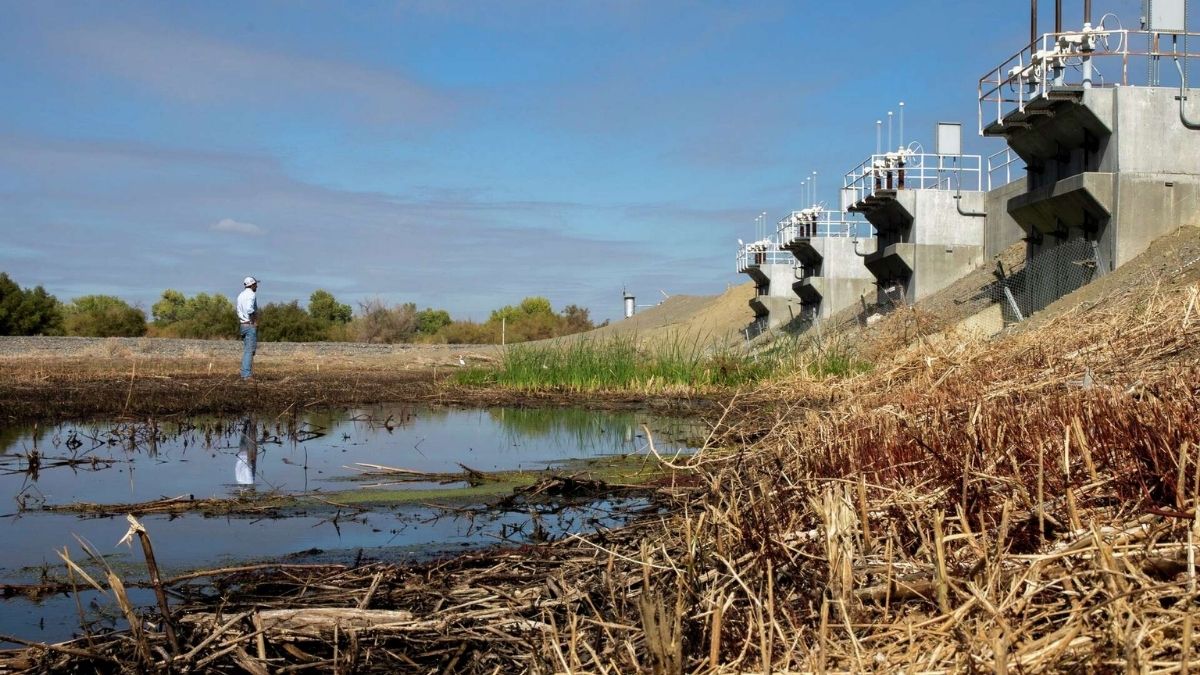
California’s water system is one of the most complex in the world. With a mix of drought, growing population, agriculture, and environmental needs, managing water fairly and effectively is no easy task. That’s where California’s water laws and regulations come in.
These rules determine who gets water, how it’s used, and what happens when there’s not enough to go around. If you’ve ever wondered how California keeps its water flowing (or why there are so many restrictions), this guide is for you.
Basics
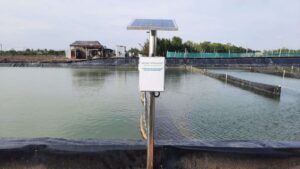
At the heart of California’s water system is a concept called “water rights.” These rights determine who can use water, where they can use it, and how much they’re allowed to take.
Unlike some states where water is publicly owned and shared equally, California has a mix of public and private rights that date back over a century.
There are two main types of water rights in California:
- Riparian Rights – These apply to people who own land next to a river, stream, or other water source. They can use water naturally flowing through or by their property.
- Appropriative Rights – These are based on “first in time, first in right.” Whoever started using the water first has priority, even if they don’t live near the source.
This system can get messy, especially during droughts when demand exceeds supply.
Permits
Most new water users need a permit or license from the State Water Resources Control Board. This agency handles water allocation and ensures new projects don’t harm existing users or the environment.
Permits typically cover:
- How much water can be used
- When it can be used
- Where it comes from
- What it’s used for (farming, drinking, etc.)
Not all water use requires a permit, especially riparian use, but permits help bring structure to a very crowded system.
Groundwater
For decades, California didn’t regulate groundwater at the state level. That changed in 2014 with the Sustainable Groundwater Management Act (SGMA). This law was a game-changer.
It requires local agencies to:
- Monitor groundwater pumping
- Develop sustainability plans
- Avoid long-term overuse
Why? Because over-pumping groundwater has led to sinking land, dry wells, and collapsing aquifers. SGMA aims to fix that, but the process is slow and takes years of planning and coordination.
Drought
California’s water laws also give the state emergency powers during droughts. The Governor or state agencies can issue orders to:
- Limit water usage
- Ban wasteful practices (like watering lawns during heatwaves)
- Change water allocations temporarily
These rules can feel strict, but they’re often necessary when reservoirs and rivers are running dry. In severe droughts, even senior water rights holders can be asked to cut back.
Environment
Water isn’t just for people and farms. California laws also protect the environment. Several rules and court decisions require that enough water is left in rivers and wetlands to support fish, wildlife, and ecosystems.
The California Environmental Quality Act (CEQA) requires water projects to consider environmental impacts before moving forward. This helps prevent harm to sensitive habitats and species, especially in the Delta and Central Valley.
Balancing environmental protection with human needs is one of the biggest challenges in California water law.
Agencies
Several state and federal agencies work together to manage water in California. Here’s a quick table of key players:
| Agency | Role in Water Management |
|---|---|
| State Water Resources Control Board | Regulates surface water use and water rights |
| Department of Water Resources (DWR) | Oversees state water planning and supply |
| Local Water Districts | Deliver water and enforce local rules |
| U.S. Bureau of Reclamation | Manages major federal water projects |
Each agency has its own responsibilities, but they often collaborate to manage supply, respond to droughts, and plan for the future.
Challenges
California’s water laws are constantly evolving. Climate change is altering rainfall and snow patterns, creating more pressure on the system. At the same time, population growth, agriculture, and environmental concerns all compete for a limited supply.
Some critics say the system favors big water users or doesn’t adapt fast enough. Others argue it’s too restrictive and holds back development. Either way, the system is under stress and likely to face major reforms in the coming years.
California’s water laws may seem complicated, but they serve an important purpose: to manage a scarce and vital resource in a fair, sustainable way. Whether you’re a homeowner, farmer, or business owner, knowing how water rights and regulations work can help you use water more responsibly and stay prepared for changes. In the Golden State, every drop truly counts.
FAQs
What is a water right in California?
It’s legal permission to use water from a source.
What is SGMA?
The Sustainable Groundwater Management Act of 2014.
Who manages water permits?
The State Water Resources Control Board issues permits.
Can water use be limited in drought?
Yes, emergency rules can restrict water during droughts.
Do water laws protect wildlife?
Yes, laws ensure rivers have water for ecosystems.