Water is essential to life, public health, economic development, and environmental sustainability. As challenges like drought, population growth, pollution, and climate change intensify, smart water policies have become increasingly important.
These policies go beyond short-term fixes—they provide long-term strategies to manage water more efficiently, equitably, and sustainably.

In this article, we’ll look into how smart water policies protect communities, the principles behind effective water governance, and how these policies benefit public health, safety, and economic resilience.
Overview
Smart water policies refer to rules, regulations, and programs designed to improve how water is used, managed, and conserved. They are typically developed by governments, utilities, and regulatory agencies, often with input from scientists, stakeholders, and the public.
The goal is to ensure water is available when and where it’s needed—without depleting resources or harming ecosystems. These policies often cover:
- Water conservation and efficiency
- Infrastructure investments
- Pollution prevention and water quality
- Drought and emergency response planning
- Equity and access to clean water
- Data, monitoring, and transparency

By aligning these areas under comprehensive planning, smart policies help build water systems that can adapt and respond to changing conditions.
Key Benefits to Communities
1. Public Health Protection
Access to clean, safe drinking water is a cornerstone of public health. Smart water policies set standards for:
- Water treatment and disinfection
- Monitoring for contaminants (e.g., lead, PFAS, bacteria)
- Reporting violations and enforcing penalties
These rules ensure that communities are not exposed to harmful pollutants and that utilities maintain high-quality service.
2. Drought and Crisis Preparedness

Smart policies include emergency response plans that outline how water will be conserved or reallocated during shortages. This helps prevent sudden supply cuts and ensures priority services—like hospitals and firefighting—continue without disruption.
For example, tiered water pricing, supply reduction plans, and public awareness campaigns are often part of drought response policies.
3. Infrastructure Reliability
Aging pipes, pumps, and treatment plants can cause leaks, water loss, or contamination. Smart policies encourage:
- Asset management and infrastructure upgrades
- Leak detection programs
- Funding mechanisms for maintenance and modernization
These investments reduce costly service interruptions and improve system efficiency over time.
4. Environmental Protection
Sustainable water policies also prioritize ecosystems. They regulate water withdrawals, wastewater discharge, and land-use practices to protect rivers, wetlands, and aquifers.
For example:
- Stormwater policies reduce runoff pollution
- Groundwater rules prevent over-pumping
- Flow management ensures wildlife habitats are preserved
Healthy ecosystems provide natural flood protection and contribute to overall community resilience.
5. Economic Stability
Water is essential for agriculture, manufacturing, energy, and tourism. By managing water resources wisely, smart policies help support:
- Reliable access for industries and farmers
- Incentives for efficient water technologies
- Investment in water recycling and reuse systems
Stable water supplies encourage business investment and reduce the risk of economic loss due to water shortages or contamination.
6. Equity and Access
Smart policies consider social equity—ensuring all residents, regardless of income or geography, have access to safe, affordable water. Tools include:
- Subsidized water rates for low-income households
- Community outreach and education programs
- Policies that prevent shutoffs during emergencies
This ensures that vulnerable populations are not left behind in water planning and service delivery.
Tools and Approaches
Effective water governance relies on both regulation and innovation. Some tools used in smart policy frameworks include:
- Water budgets: Allocating water use based on available supply
- Data dashboards: Sharing real-time water quality and usage information
- Integrated water planning: Coordinating across water, land, and energy sectors
- Public participation: Involving residents in water decisions
- Performance standards: Measuring utility performance and outcomes
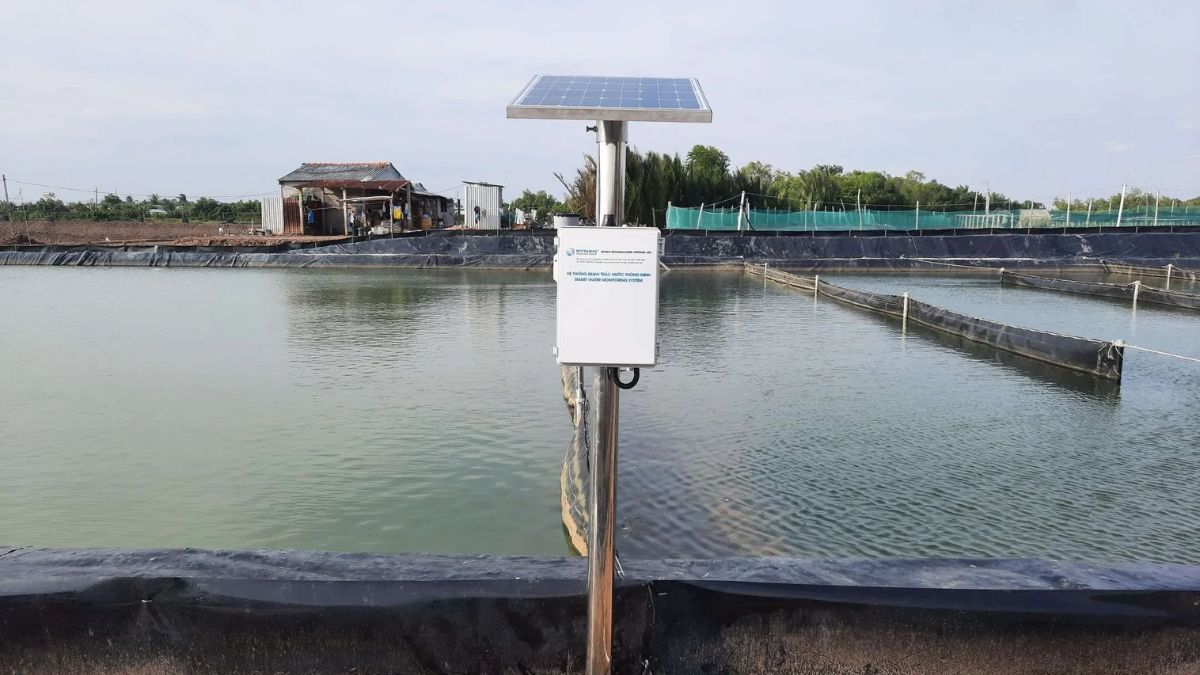
Technology plays a growing role as well—such as smart meters, leak sensors, AI for demand forecasting, and satellite imagery for water mapping.
Case Examples
| Region | Smart Policy Example | Community Benefit |
|---|---|---|
| California | Urban Water Management Plans | Better drought response and conservation |
| New York City | Green infrastructure for stormwater | Reduced flooding and water pollution |
| Phoenix, Arizona | Groundwater recharge and reuse regulations | Long-term aquifer protection |
| Singapore | Water pricing and recycling (NEWater) | High water efficiency and resilience |
These examples show that proactive planning leads to measurable improvements in both water availability and community well-being.
Looking Ahead
As water challenges grow more complex, the role of smart policy becomes even more critical. Future policy directions may include:
- Climate adaptation planning to prepare for hotter, drier conditions
- Cross-border cooperation between regions sharing water sources
- Stronger data integration for real-time management
- Private-public partnerships for infrastructure funding
- Resilience metrics to track long-term outcomes
Community engagement will also remain central. Policies are more effective when they are transparent, inclusive, and based on science.
Smart water policies help protect what is arguably the most important public resource. By promoting fairness, efficiency, and sustainability, these policies not only support today’s needs but also safeguard future generations.
As challenges continue to evolve, communities that invest in thoughtful, forward-looking water governance will be better positioned to thrive.
FAQs
What are smart water policies?
They are strategic rules and programs for managing water efficiently and sustainably.
How do smart policies help during drought?
They guide conservation efforts, pricing, and emergency water use planning.
Do smart policies protect public health?
Yes. They ensure water quality standards and treatment regulations are enforced.
Can smart water policies reduce pollution?
Yes. They regulate stormwater runoff, wastewater discharge, and land use.
Who creates smart water policies?
Governments, utilities, and regulatory agencies develop them, often with public input.