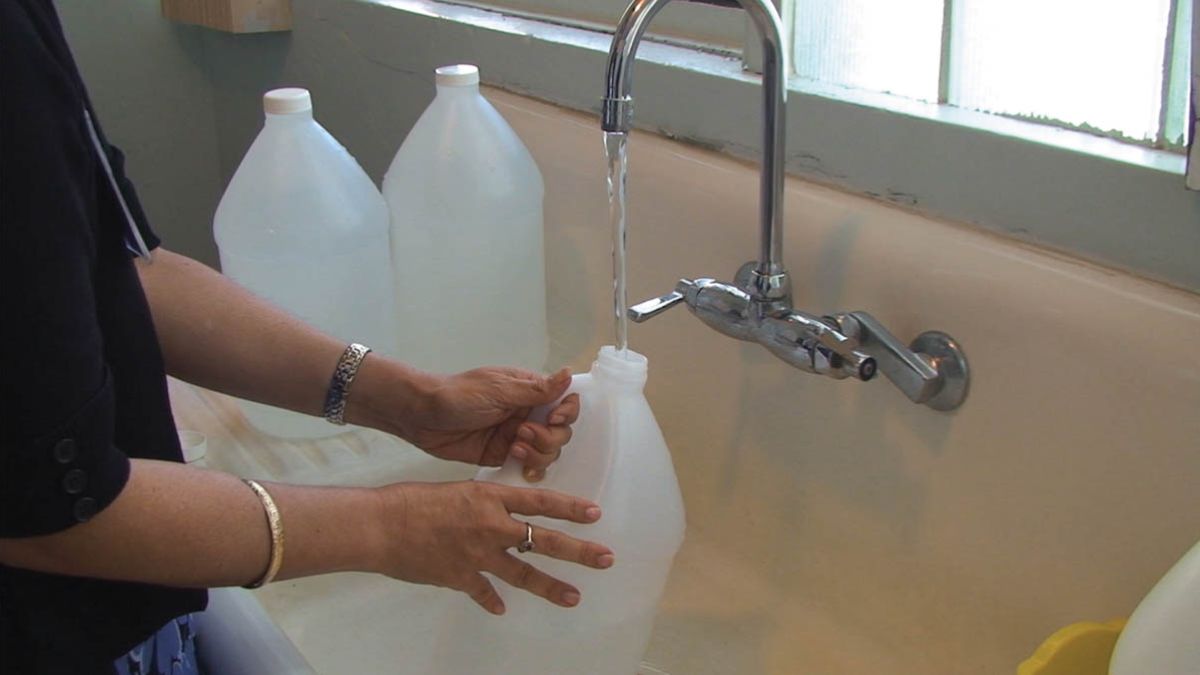
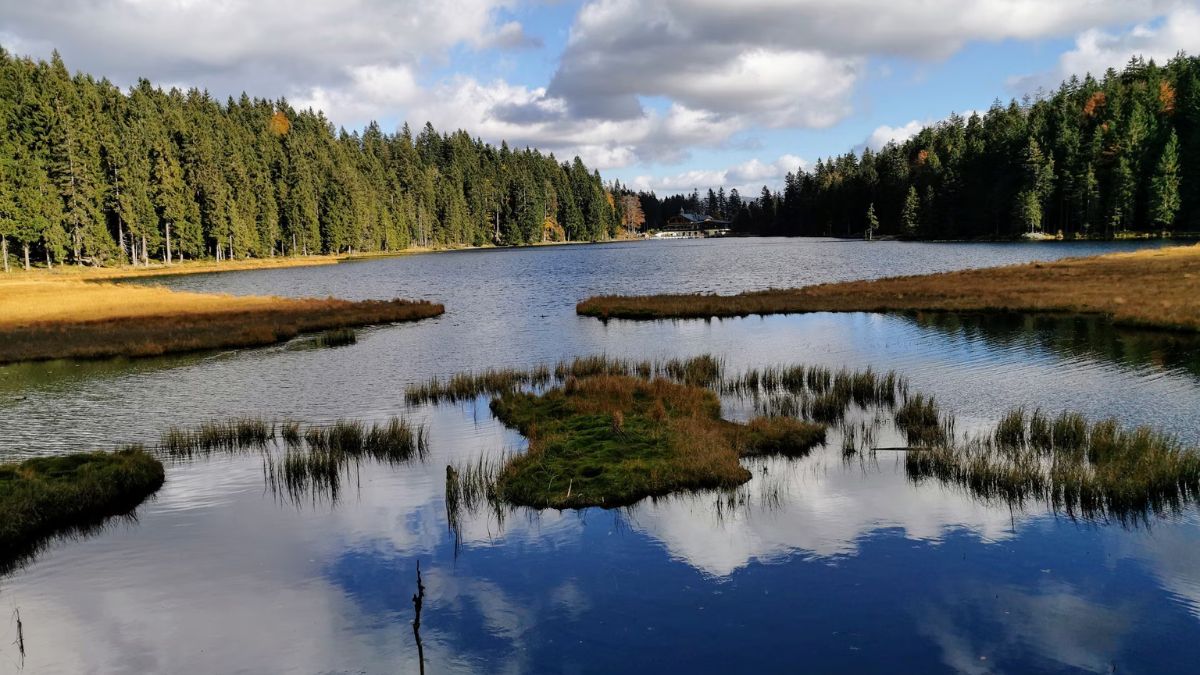
You turn on the tap and water flows—but where does it actually come from? Most of us don’t think about it, but the water we use every day typically comes from one of two sources: surface water or groundwater.
These two types of water supply might seem similar, but they work very differently, come from very different places, and have unique challenges.
Knowing the difference between surface water and groundwater is key to managing water wisely—especially as droughts, overuse, and climate change make water scarcer than ever.
Basics
Let’s start with definitions:
- Surface Water is water found above ground in rivers, lakes, reservoirs, and streams.
- Groundwater is water stored underground in natural rock formations called aquifers.
Both are crucial for drinking water, agriculture, industry, and ecosystems—but how they’re stored, accessed, and managed is very different.
Comparison
Here’s a quick side-by-side look:
| Feature | Surface Water | Groundwater |
|---|---|---|
| Location | Above ground | Below ground (aquifers) |
| Accessibility | Easier to collect and treat | Requires drilling and pumping |
| Visibility | Visible (rivers, lakes) | Hidden underground |
| Recharge Rate | Faster (via rain, snowmelt) | Slower (can take decades) |
| Pollution Risk | Higher (runoff, industrial waste) | Lower, but hard to clean if contaminated |
| Usage | Cities, reservoirs, recreation | Wells, agriculture, rural areas |
Both have pros and cons, and most regions use a mix of the two.
Surface
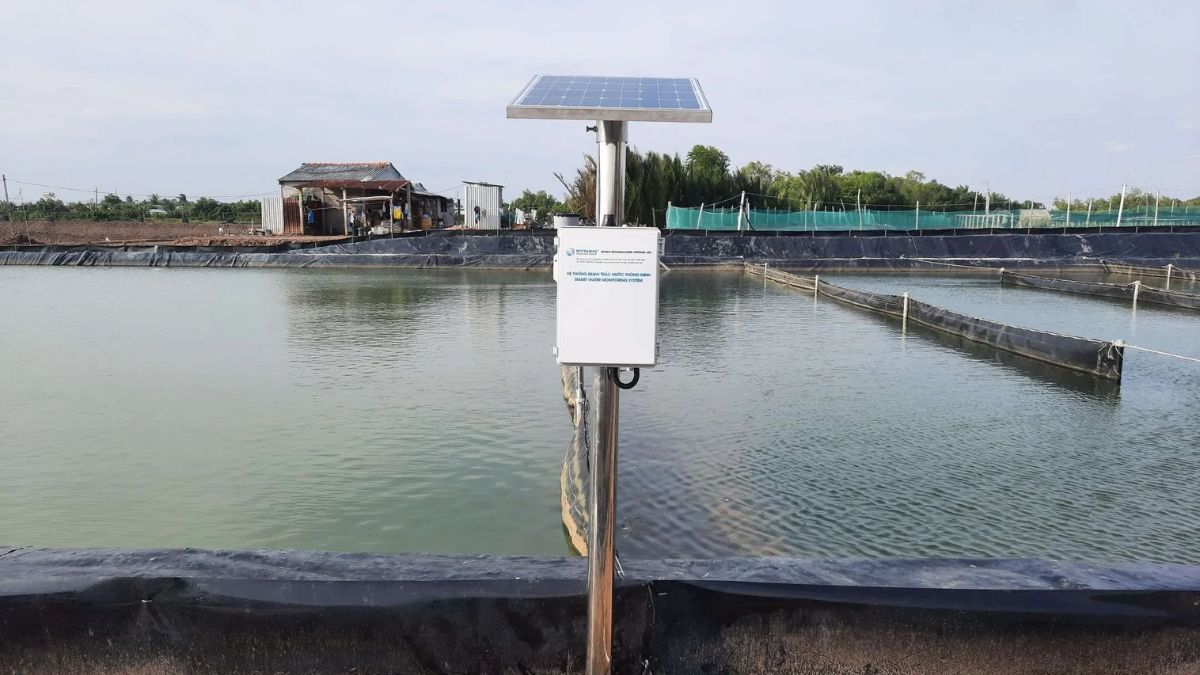
Surface water includes sources like:
- Rivers and streams
- Lakes and ponds
- Reservoirs created by dams
- Wetlands

Cities often rely on surface water because it’s easier to treat and transport. Water is usually captured in reservoirs or lakes, then treated at a plant before it reaches your tap.
However, surface water is highly sensitive to climate. Drought, heat, and less snowpack mean less flow in rivers. It’s also more prone to pollution from stormwater runoff, pesticides, sewage overflow, and industrial waste.
Surface water is fast to refill during wet years—but can also disappear quickly in dry ones.
Groundwater
Groundwater sits below the earth’s surface, stored in porous rock and soil layers known as aquifers.
It’s accessed by drilling wells and using pumps to bring it to the surface. Groundwater supplies nearly 40% of California’s water, and much more in rural or agricultural regions.
Because it’s underground, groundwater is protected from evaporation and short-term climate swings. But it has its own challenges:
- It recharges slowly
- It can be over-pumped, leading to sinking land (subsidence)
- Pollution from nitrates, septic tanks, or chemicals is hard to clean
When used responsibly, groundwater is a stable, long-term water supply. But when overused, it’s hard to recover.
Use
Most water systems use a mix of both sources. During wet years, cities rely more on surface water. During droughts, groundwater becomes the backup.
Here’s how they’re typically used:
| Sector | Surface Water | Groundwater |
|---|---|---|
| Urban Areas | Drinking water, parks | Backup source, wells |
| Agriculture | Canal irrigation | Well irrigation |
| Industry | Cooling, manufacturing | On-site groundwater wells |
| Environment | Wetlands, rivers | Supports base flows in streams |
Having both sources gives regions flexibility—but also requires careful planning.
Challenges
Managing surface and groundwater together is complex.
- Overusing surface water dries up rivers and harms ecosystems.
- Over-pumping groundwater lowers aquifer levels and can cause permanent damage.
- Climate change affects snowmelt and rain patterns, reducing surface water availability.
- Pollution from farms, industry, or landfills can affect both types of water.
That’s why many states (like California) now require sustainable groundwater management plans and better coordination between surface and groundwater use.
Sustainability
To manage water sustainably, both sources must be protected:
- Surface Water: Limit pollution, restore rivers, manage dams responsibly
- Groundwater: Recharge aquifers, monitor pumping, prevent contamination
Some communities are building recharge basins—large areas that collect rainwater and let it soak into the ground, replenishing aquifers naturally.
Others are using recycled water or stormwater capture to take pressure off both sources.
Understanding where your water comes from—and how it’s managed—can help you make better choices and support smart policies.
Surface water and groundwater are both vital to our daily lives, our food, and our environment. But they work differently, respond to stress differently, and need different types of care. Managing them wisely means balancing short-term needs with long-term protection.
The more we know the difference between surface water and groundwater, the better we can protect both—and ensure a secure water future for everyone.
FAQs
What is surface water?
It’s water above ground like rivers, lakes, and reservoirs.
What is groundwater?
It’s water stored underground in natural aquifers.
Which is safer from pollution?
Groundwater is safer but harder to clean if contaminated.
Can we run out of groundwater?
Yes, over-pumping can deplete aquifers permanently.
Do cities use both water types?
Yes, most cities rely on both surface and groundwater.