Water is one of our most valuable resources—and managing it wisely has never been more critical. With climate change, urban growth, and rising demand, the pressure on global water supplies is growing fast.
But here’s the good news: technology is stepping up in a big way. From smart sensors to AI-powered systems, innovation is changing how we find, use, and save water.
So, how exactly is technology transforming water management? Let’s look into the exciting shift that’s helping the world handle water smarter and more sustainably.
Monitoring
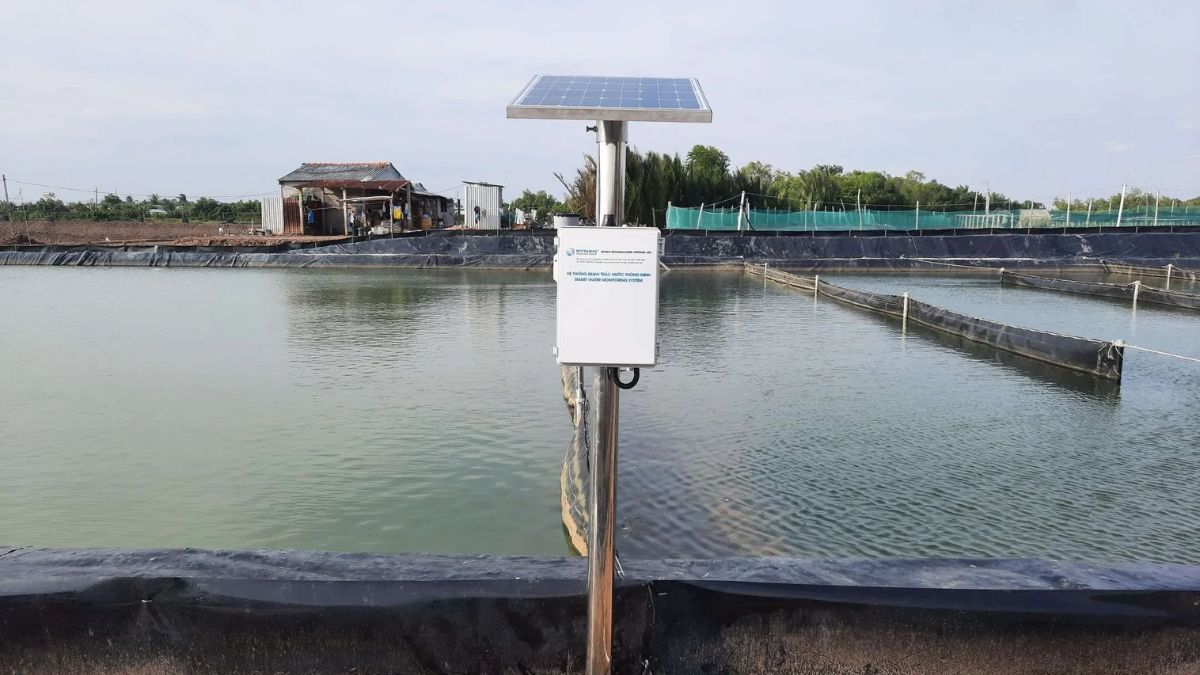
You can’t manage what you can’t measure. That’s where smart monitoring tools come in. Today, water managers use IoT (Internet of Things) sensors to track water flow, pressure, quality, and usage in real time. These devices send data to centralized platforms, making it easy to detect leaks, spot overuse, or fix problems before they become disasters.
Cities like Singapore and Amsterdam use these systems to monitor their entire water networks, reducing waste and boosting efficiency. Farmers, too, are placing sensors in soil and irrigation systems to know exactly when and how much to water their crops.
Conservation

Saving water has become a whole lot smarter. Technology now helps both homes and businesses cut down water use without sacrificing performance. For example, smart irrigation systems automatically adjust watering schedules based on weather forecasts and soil moisture. That means no more sprinklers running in the rain.
In cities, smart meters track household water usage, alerting people when their use spikes. Apps help consumers stay aware and adjust habits. Some devices even recycle greywater from showers and sinks for reuse in toilets or gardens—reducing daily waste dramatically.
Detection
Water leaks are a silent threat—costly, wasteful, and hard to find. But new tech makes leak detection fast and accurate. Acoustic sensors and AI tools can “listen” to pipes underground and identify the exact location of a leak without digging.
For big buildings or public water systems, this kind of precision saves money and prevents major damage. It also helps avoid water loss, which is crucial in areas facing drought or limited supply.
Let’s break down some key tech benefits:
| Technology | Benefit | Application Area |
|---|---|---|
| IoT Sensors | Real-time monitoring | Cities, farms, industry |
| Smart Meters | Track and manage use | Homes, buildings |
| Leak Detection AI | Spot hidden pipe leaks | Utilities, urban areas |
| Automated Irrigation | Save water based on weather | Agriculture, landscaping |
Treatment
Modern water treatment has also leveled up. Technologies like membrane filtration, UV disinfection, and advanced oxidation are now used to clean water more efficiently. This means safer drinking water and cleaner wastewater released into the environment.
Even wastewater isn’t going to waste anymore. In many places, it’s being treated and reused for irrigation, industrial cooling, or even drinking water—thanks to purification systems that make it safe and clean.
Desalination plants are another example. Powered by renewable energy and AI optimization, they can convert seawater into freshwater at lower costs than ever before.
Prediction
With the help of big data and artificial intelligence, water systems can now predict problems before they happen. Predictive analytics allows managers to foresee demand surges, flood risks, and drought patterns with surprising accuracy.
This kind of forecasting is vital in a changing climate. Cities can plan ahead, farmers can prepare for dry seasons, and utilities can avoid service disruptions. Instead of reacting to water crises, technology helps prevent them altogether.
Agriculture
Farmers are now tapping into precision farming. Drones fly over fields to map soil health and moisture levels. Satellite imagery shows how crops are responding to irrigation. Apps connect to field sensors and suggest when and where to water.
This data-driven approach reduces overwatering and boosts yields. It’s not just smart—it’s sustainable farming that protects both crops and the environment.
Access
In developing regions, technology is also solving access issues. Solar-powered water pumps bring clean water to remote villages. Mobile apps help users locate the nearest working water source. In some places, blockchain is being used to ensure fair water distribution and transparent billing.
Even water-from-air machines—called atmospheric water generators—are being tested in dry zones to extract moisture directly from the air and turn it into drinking water.
Technology is rewriting the rules of water management. From farms to cities, homes to factories, smart solutions are making water systems more efficient, sustainable, and resilient.
As our planet warms and water grows scarcer, innovation isn’t just helpful—it’s essential. The future of water is digital, data-driven, and deeply connected. And it’s already flowing into our lives, one smart drop at a time.
FAQs
How do sensors help in water management?
They track usage, leaks, and quality in real time.
What is smart irrigation?
It waters plants based on soil and weather data.
Can wastewater be reused safely?
Yes, with modern treatment it’s safe and clean.
How does AI help with water supply?
AI predicts demand, droughts, and system failures.
Are there tech solutions for rural areas?
Yes, like solar pumps and mobile water tracking.