
Water is life—especially in California’s Antelope Valley, where every drop counts. Whether you’re growing crops, raising a family, or managing a business, water use rules can shape your daily reality. For cities and farms across the region, understanding how water is divided, limited, and regulated isn’t just smart—it’s essential.
Water allocation in the Antelope Valley is a complex issue influenced by environmental needs, legal agreements, drought conditions, and politics. In this article, we’ll break down how these water rules work, who they affect the most, and what the future might hold.
Overview
Antelope Valley lies in northern Los Angeles County and parts of Kern County, and it’s one of the driest places in Southern California. But that hasn’t stopped agriculture and urban development from booming. That boom comes with a price: water demand often outweighs supply.
So how is water managed in such a dry region? Through a mix of court rulings, groundwater management laws, and environmental restrictions. It’s not just about who wants water—it’s about who has the legal right to it.
History
For decades, cities and farmers relied heavily on groundwater. Over time, over-pumping caused water levels to drop dangerously low. That led to a major legal battle: the 2015 Antelope Valley Groundwater Adjudication.

The result? A court-mandated water allocation system. This set a hard cap on how much water could be pumped each year, and divided the rights among landowners, cities, and water districts.
Here’s a quick breakdown of that court ruling:
| Category | Groundwater Rights Allocation |
|---|---|
| Public Water Suppliers | ~37% |
| Agricultural Users | ~27% |
| Landowners Without Prior Use | ~7% |
| Federal Government | ~3% |
| Others (Industrial, etc.) | ~26% |
This changed the game entirely, forcing everyone to stick to strict usage limits.
Limits

Once the adjudication was in place, strict water pumping limits were enforced. Each party had a set amount they could use per year. Go over it? You could face hefty fees or legal action.
This especially hit smaller farms and independent landowners. They either had to buy extra water rights or scale back operations. Meanwhile, cities had to improve water conservation and upgrade infrastructure to avoid shortages.
It wasn’t just about quantity—it was also about how water was used. Efficiency became the new currency.
Cities
Cities like Palmdale and Lancaster had to rethink their entire water strategy. With a growing population, they couldn’t afford to rely solely on groundwater anymore. Many began importing water from the State Water Project and investing in recycled water systems.
They also promoted conservation programs: drought-resistant landscaping, rebates for water-efficient appliances, and public education campaigns. In dry years, mandatory restrictions were imposed on outdoor watering and other non-essential uses.
For residents, this meant shorter showers, brown lawns, and higher water bills. For cities, it meant balancing growth with sustainability—never an easy task.
Farms
Farms arguably felt the brunt of the new rules. Before the adjudication, farmers could pump water based on land ownership. After the ruling, they were limited to a defined allocation, which was often much less than they needed.
Some adapted by switching to less water-intensive crops. Others invested in drip irrigation or soil moisture monitoring to cut waste. But for many, it wasn’t enough.
Buying or leasing additional water rights became common, but those came with high costs. For small-scale farmers, it was a make-or-break scenario. Some sold their water rights altogether and left farming.
Challenges
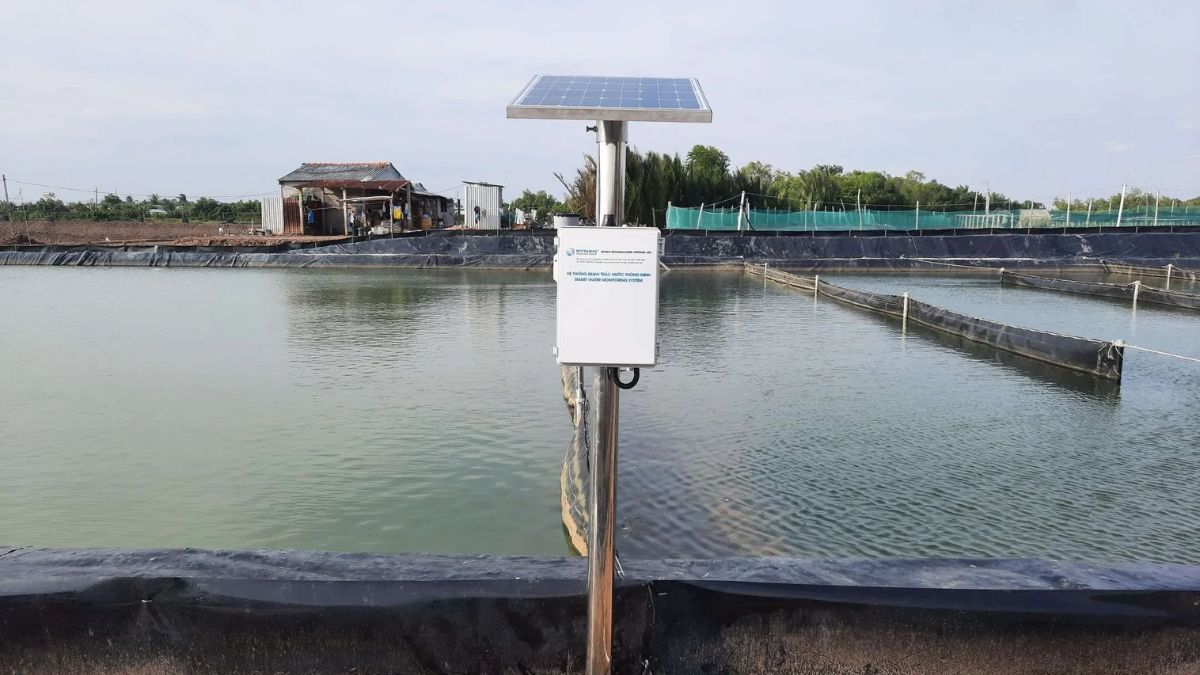
Enforcing water rules in a sprawling desert basin isn’t simple. Illegal pumping still happens. Tracking actual water use takes advanced meters and regular reporting, which can be costly and controversial.
There’s also the issue of fairness. Some argue that large landowners or corporations have too much access to water, while smaller stakeholders get left out.
Climate change adds more uncertainty. With less rain and snowpack, surface water deliveries from outside the valley have become less reliable. That puts even more pressure on local groundwater.
Future
Looking ahead, collaboration is key. Cities, farms, and residents must work together to stretch limited supplies. New technologies like satellite-based monitoring, smart irrigation systems, and recycled wastewater could help.
There’s also growing interest in “water banking” — storing excess water underground during wet years for use during droughts. The Antelope Valley Water Bank is one such effort already in motion.
Still, policy decisions will continue to shape the landscape. As water becomes even more scarce, who gets how much—and at what cost—will remain a hot topic.
The Antelope Valley’s water story is one of survival, adaptation, and constant change. These rules may seem restrictive, but they’re also a roadmap to a more sustainable future. Whether you’re a grower or a homeowner, staying informed is your best defense against running dry.
FAQs
Who controls Antelope Valley’s water use?
Water rights are overseen by courts and local water districts.
What is the groundwater adjudication?
A 2015 court ruling that set pumping limits for users.
Can farmers buy more water rights?
Yes, but they can be expensive and limited.
How do cities reduce water use?
Through recycling, conservation, and importing water.
What happens if limits are exceeded?
Fines or legal action may be imposed for overuse.