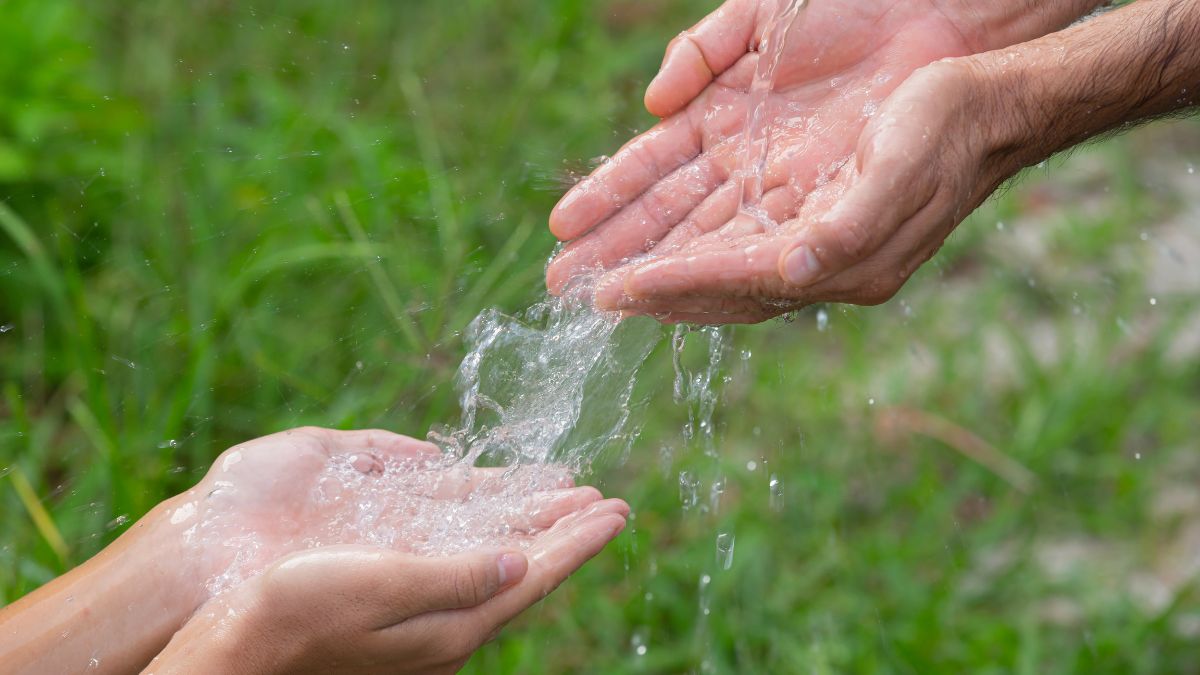
Water is one of the most vital resources on Earth, yet in many regions, it is being used faster than it can be naturally replenished. As population growth, urban expansion, climate change, and agricultural demands increase pressure on water systems, conservation is no longer just a temporary measure during droughts—it’s a long-term necessity.
This article look into why water conservation matters now more than ever, the challenges ahead, and the strategies individuals, communities, and industries can use to ensure sustainable water use for generations to come.
Overview
Freshwater is limited. Only about 2.5% of the world’s water is fresh, and less than 1% is easily accessible for human use. Yet global water demand continues to rise. In many areas, especially arid and semi-arid regions, supply cannot keep pace with demand.
Water conservation refers to strategies and practices that reduce water use, minimize waste, and promote efficient usage. While often emphasized during droughts, conservation is essential year-round to protect ecosystems, support growing populations, and prepare for climate-related stress.
Growing Demand
One of the biggest challenges facing water systems is rising demand.
- Population Growth: More people means more water needed for drinking, hygiene, and food production.
- Urban Development: Expanding cities require large volumes of water for homes, businesses, and infrastructure.
- Agriculture: Farming accounts for 70% of global freshwater use, much of it through irrigation.
- Industrial Use: Manufacturing, energy production, and other industries also consume significant amounts of water.

Without changes in how water is managed, demand will increasingly outpace supply in the coming decades.
Climate Change Impacts
Climate change is intensifying water scarcity in many regions by:
- Altering precipitation patterns
- Reducing snowpack and early-season runoff
- Increasing evaporation due to higher temperatures
- Causing more frequent and prolonged droughts
In some areas, floods and storms will temporarily increase water flow, while others will experience long-term drying. These extremes make consistent water management more difficult.
Environmental Strain
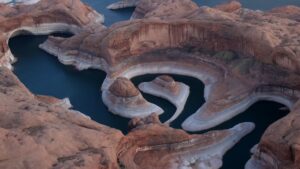
Overdrawing water from rivers, lakes, and aquifers can cause:
- Habitat destruction for fish and wildlife
- Lower water quality due to concentrated pollutants
- Loss of wetlands and biodiversity
- Land subsidence from aquifer depletion
Conserving water helps preserve natural ecosystems that depend on consistent water flows and healthy watersheds.
Economic Risks
Water shortages can have serious economic consequences, including:
- Higher water costs for consumers and businesses
- Reduced agricultural productivity
- Delays or cancellations of industrial projects
- Lower property values in water-stressed regions
By conserving water, communities can reduce future risks and protect economic stability, especially in sectors that depend on water for operation.
Infrastructure Challenges
Aging water infrastructure in many cities leads to:
- Leaky pipes and distribution losses
- Inefficient irrigation systems
- Limited capacity for water recycling
Conservation reduces strain on these systems and delays the need for expensive upgrades. It also helps ensure that available supplies can serve more people without expansion.
Long-Term Strategies
Water conservation is not just about using less water—it’s about using water more efficiently. Key strategies include:
At the Household Level
- Installing low-flow faucets, toilets, and showerheads
- Fixing leaks promptly
- Using drought-tolerant landscaping (xeriscaping)
- Running full loads in dishwashers and washing machines
- Collecting rainwater for garden use
At the Business and Industrial Level
- Conducting water audits to find areas of waste
- Recycling process water where possible
- Investing in water-efficient equipment
- Educating staff on best practices
- Partnering with water agencies for rebates and incentives
In Agriculture
- Switching to drip irrigation systems
- Planting crops suitable for local climate and water availability
- Scheduling irrigation based on soil moisture and weather data
- Reducing runoff with better soil management
At the Policy Level
Governments and water agencies play a key role in:
- Setting conservation targets and usage limits
- Updating building codes for efficiency
- Investing in public education campaigns
- Supporting water reuse and recycling projects
- Monitoring groundwater and surface water withdrawals
Technology and Innovation
Emerging technologies offer new opportunities for smarter water use:
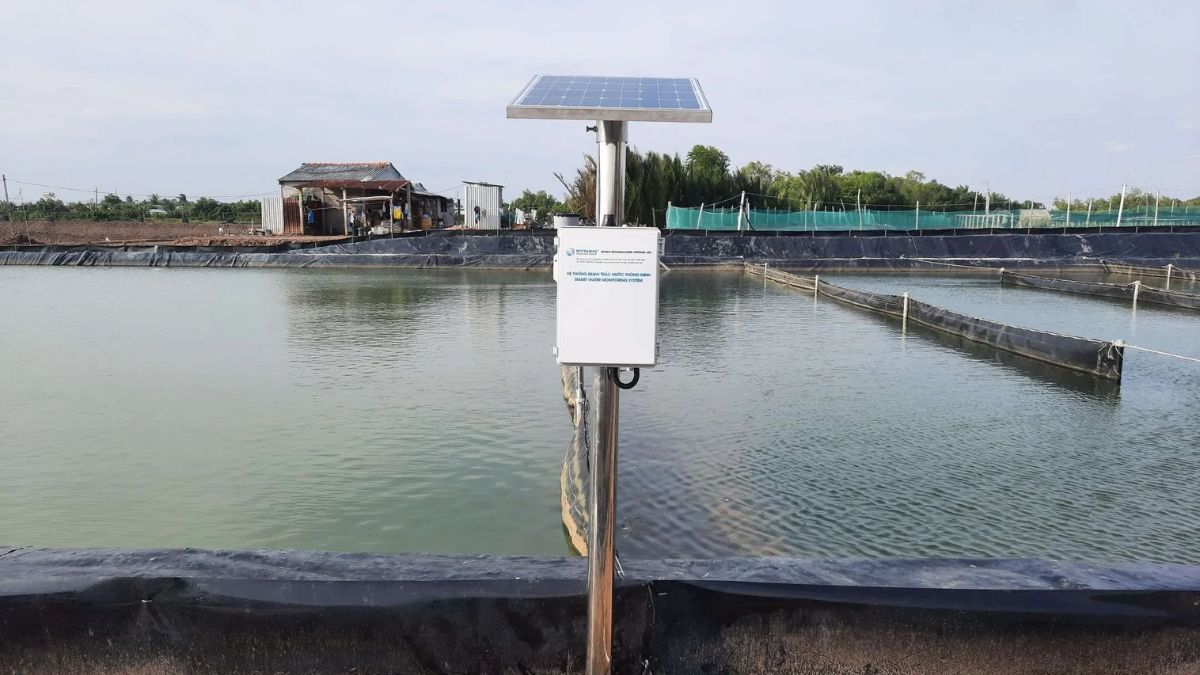
- Smart meters and leak detection sensors
- Real-time irrigation systems based on weather data
- AI-powered water management for cities and farms
- Desalination and advanced water recycling systems
While some of these technologies require investment, they offer long-term savings and sustainability benefits.
Water conservation is not just a short-term response to drought—it’s a long-term strategy for managing a finite resource.
By using water wisely, communities can protect ecosystems, support economic growth, and build resilience to future water challenges. Whether at home, on the farm, or in the boardroom, everyone has a role to play in conserving water for the future.
FAQs
Why is water conservation important long term?
Because global water demand is rising while freshwater supplies are limited.
How does climate change affect water?
It causes more droughts, evaporation, and unpredictable rainfall patterns.
What industries use the most water?
Agriculture, energy production, and manufacturing are major water users.
Can households make a big difference?
Yes. Small changes at home collectively reduce pressure on water systems.
What is xeriscaping?
A landscaping method that uses drought-tolerant plants to reduce water use.