
Water is life. But behind every clean glass of water, every flushed toilet, and every green park lies something most people don’t think about: infrastructure.
Water infrastructure may not be flashy, but it’s one of the most vital foundations of any community—especially those that are growing fast. In this article, we’ll look into why water infrastructure matters so much, how it supports growth, and what happens when we ignore it.
Basics
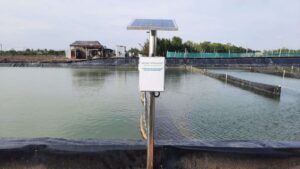
Water infrastructure includes the systems that deliver, treat, store, and manage water. We’re talking about things like:
- Pipes that bring water into homes and take wastewater out
- Treatment plants that clean water and make it safe
- Storm drains and sewers that handle rain and runoff
- Reservoirs that store supply for future use
Without this system, nothing works—not homes, not hospitals, not businesses. It’s the silent engine behind everything.
Growth
When a community grows—whether through new homes, businesses, or schools—it needs more water. Not just any water, but safe, reliable, and accessible water. That means the local infrastructure has to keep up.

Think about it: More people means more demand for clean water and more wastewater to manage. Old systems, built for smaller populations, simply can’t handle it. That’s when you get things like pipe bursts, water shortages, or contaminated supply.
So if you want new developments to succeed, strong water infrastructure is a must.
Economy
Good water systems don’t just keep the taps running—they fuel the local economy. Here’s how:
- Supports new housing: Developers won’t invest where water services are outdated.
- Attracts businesses: Companies need reliable water to operate, especially manufacturing and food industries.
- Creates jobs: Infrastructure projects provide skilled labor opportunities.
- Boosts property values: Areas with strong infrastructure are more desirable to live in.

In short, no water = no growth.
Health
Clean water is one of the most important public health tools ever created. Without it, disease spreads quickly.
A well-maintained water system ensures:
- Safe drinking water
- Proper sanitation
- Control of waterborne diseases
Growing populations put pressure on health systems already. If the water infrastructure fails, the impact on public health can be severe—and fast.
Environment
Smart water infrastructure also protects the environment. It helps manage stormwater, reduce pollution, and protect natural water sources.
For example:
- Modern wastewater systems keep rivers and lakes clean
- Stormwater systems reduce flooding
- Green infrastructure—like rain gardens and permeable sidewalks—helps recharge groundwater
Communities that care about sustainability must invest in eco-friendly water solutions too.
Challenges
Despite its importance, water infrastructure often gets neglected. Here’s why:
- Aging systems: Many pipes in the U.S., for example, are over 50 years old
- Lack of funding: Repairs and upgrades are expensive, and budgets are tight
- Climate change: More droughts and floods are straining outdated systems
- Rapid development: Growth happens faster than systems can expand
Ignoring these issues can lead to disaster. Flint, Michigan is a clear example of what happens when water infrastructure is overlooked.
Solutions
The good news? Solutions exist—if we act early. Here’s what growing communities can do:
- Invest in upgrades: Replace old pipes, expand treatment plants, and use smart technology
- Plan ahead: Make infrastructure a priority in zoning and development plans
- Partner regionally: Share resources between cities or towns
- Seek funding: Tap into federal or state infrastructure grants
- Educate the public: People are more willing to support improvements when they understand the stakes
Communities that plan today avoid crisis tomorrow.
Future
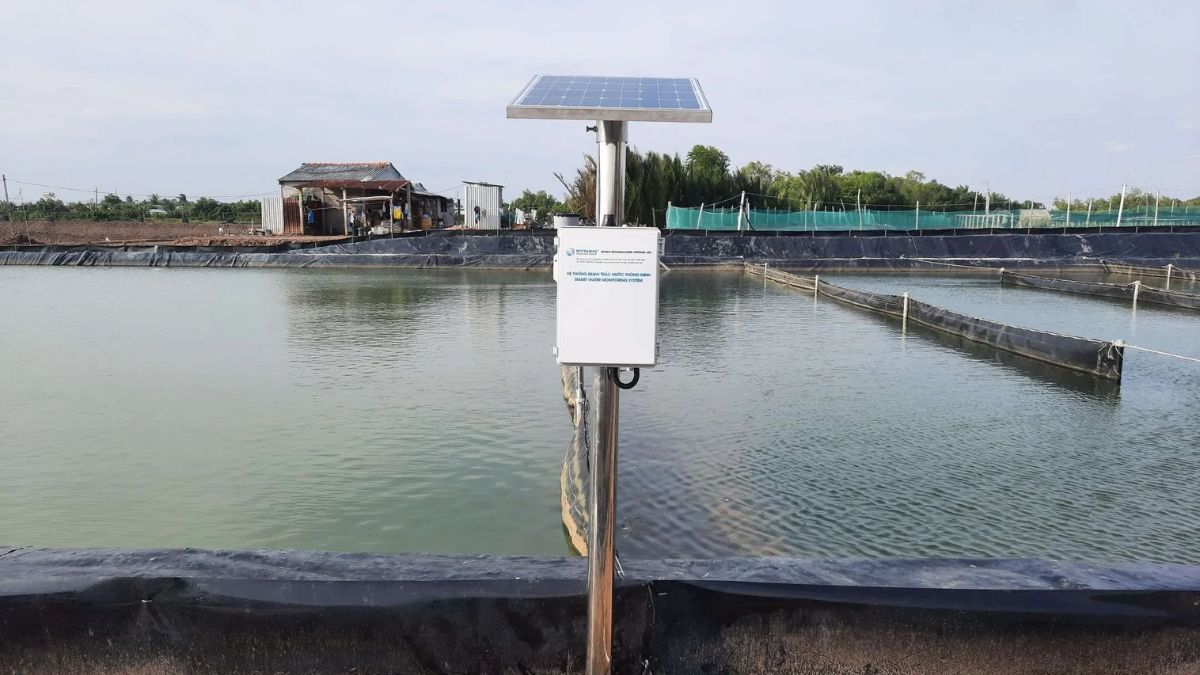
As communities continue to grow, the need for resilient water systems will only increase. From smart sensors that monitor water usage to AI that predicts system failures, technology is making modern water infrastructure more efficient and sustainable.
But tech alone won’t solve the problem. It takes planning, investment, and public support to build a water system that works—for everyone, now and in the future.
Water infrastructure might be invisible to most people, but without it, everything stops. It’s the hidden backbone of every thriving community. If we want to build a future that’s healthy, safe, and prosperous, it all starts with water.
FAQs
What is water infrastructure?
It includes pipes, treatment plants, and systems that manage water.
Why is water infrastructure important?
It ensures clean water, sanitation, and supports public health.
How does growth affect water systems?
More people mean more demand and stress on old systems.
What are the risks of poor water systems?
Contamination, shortages, and public health crises.
How can communities improve water systems?
Through investment, planning, and use of smart technologies.