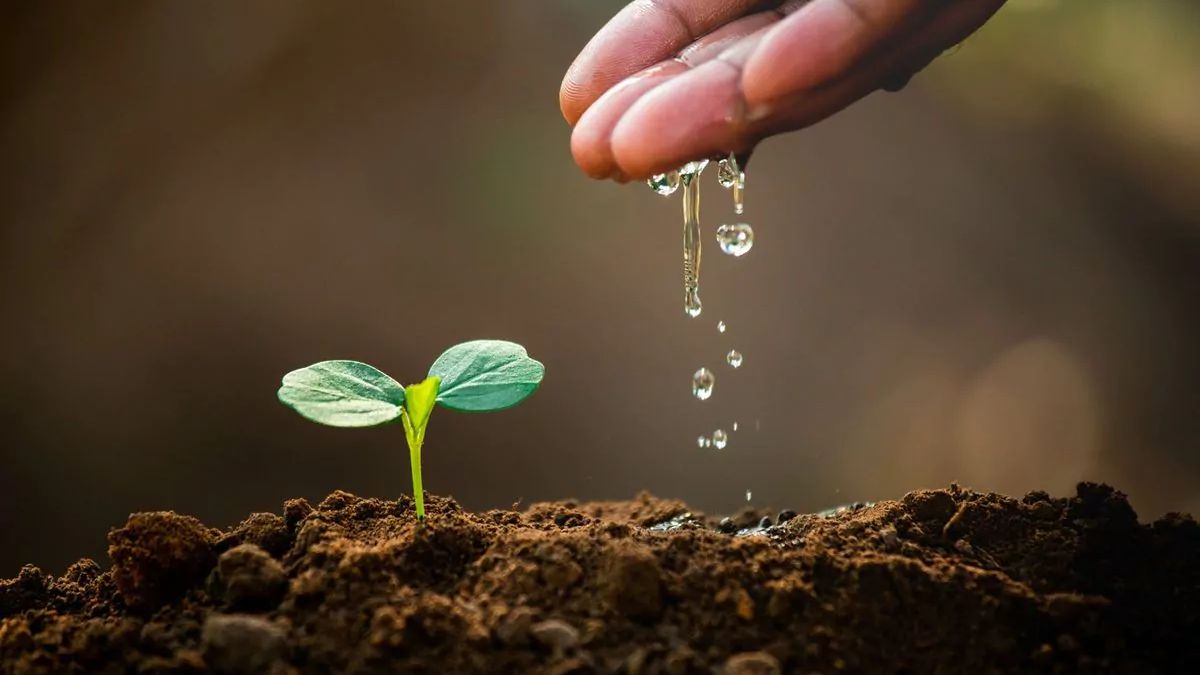
Water keeps everything alive—from your morning coffee to the crops in our fields. But as droughts worsen, cities grow, and climate change accelerates, we can’t treat water like it’s unlimited anymore.
That’s where sustainable water management comes in. It’s not just about using less—it’s about using water smarter, protecting sources, and ensuring future generations have enough.
Whether you’re a homeowner, farmer, policymaker, or just someone who wants to make a difference, understanding this concept is key.
Meaning
Sustainable water management means managing water in a way that meets today’s needs without compromising the needs of future generations. It’s about balancing the water we take, the water we return, and the health of the ecosystems that rely on it.
This includes:
- Using water efficiently
- Protecting water quality
- Restoring natural systems
- Planning long-term
Think of it like a water budget—if we take too much without replenishing, we’ll eventually run dry.
Sources
Water comes from a mix of natural and human-made sources:
| Source Type | Examples |
|---|---|
| Surface Water | Rivers, lakes, reservoirs |
| Groundwater | Aquifers, wells |
| Recycled Water | Treated wastewater for reuse |
| Desalinated Water | Ocean water processed for use |
| Rainwater | Captured and stored runoff |
Sustainable management means protecting these sources from pollution and overuse, while developing alternatives like recycled water and rain harvesting.
Urban
In cities, sustainable water management focuses on meeting growing demand without depleting supply or harming the environment.
Key strategies include:
- Fixing leaks in aging infrastructure
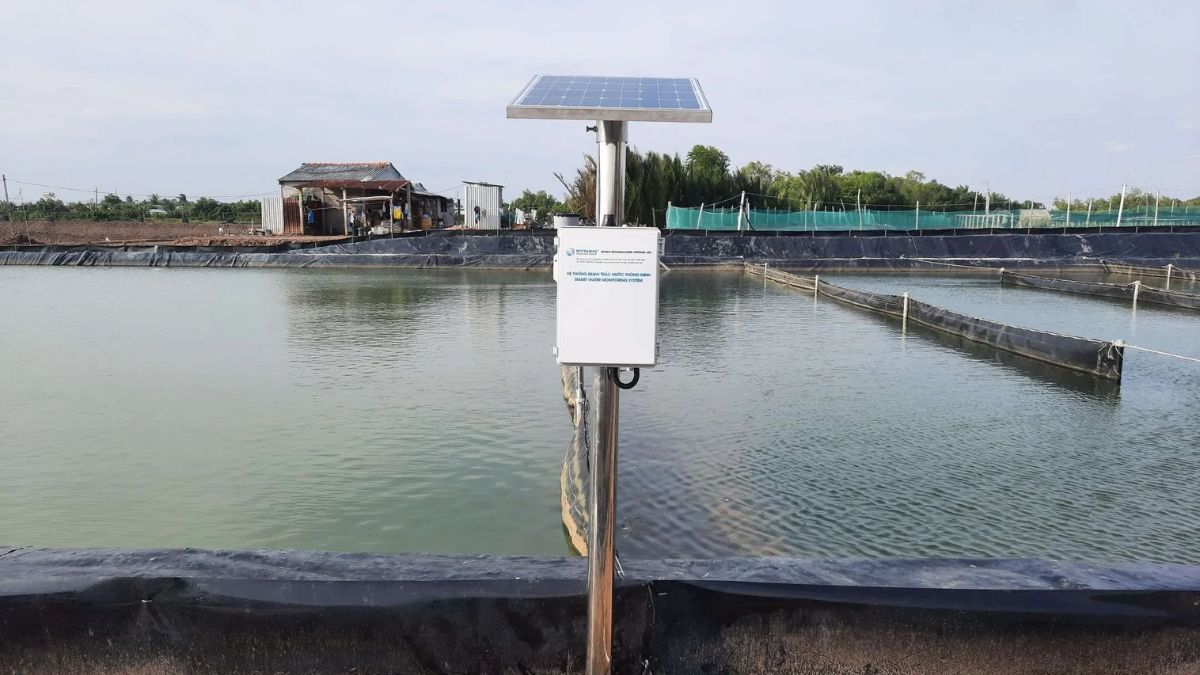
- Installing smart meters for real-time monitoring
- Promoting low-flow fixtures in homes and businesses
- Implementing stormwater capture systems
- Expanding recycled water networks
Cities like San Diego and Los Angeles are already turning treated wastewater into drinking water—a big shift toward long-term sustainability.
Agriculture
Agriculture is one of the biggest water users globally—so sustainability here is critical.
Farmers are adopting practices like:
- Drip irrigation instead of flood irrigation
- Moisture sensors to avoid overwatering
- Crop switching to more drought-tolerant plants
- Building on-site water storage
- Reusing treated water for irrigation
Sustainable ag water use ensures we can feed the population without draining aquifers or drying up rivers.
Environment
Healthy ecosystems rely on consistent water flows. But unsustainable use can shrink wetlands, damage habitats, and wipe out wildlife.
That’s why sustainable water management includes environmental flows—ensuring enough water is left in rivers and streams to keep them alive.
It also means restoring damaged watersheds, cleaning up polluted sources, and using nature-based solutions like wetlands to filter water naturally.
Climate
Climate change makes sustainable water management even more urgent.
Rising temperatures mean:
- Less snowpack (a major water source in the West)
- More evaporation
- Unpredictable rain and drought cycles
- Sea level rise contaminating freshwater supplies
Smart water planning now helps communities adapt—like building diverse water portfolios that don’t rely on just one source.
Equity
Sustainable water management must also be fair. That means:
- Affordable water for low-income households
- Safe, clean drinking water in every community
- Access to water for Indigenous and underserved areas
- Involving communities in decision-making
Water justice is a core part of sustainability—it’s not just about saving water, but sharing it wisely.
Benefits
Why does all this matter? Because it offers huge benefits for everyone.
| Benefit | Impact Area |
|---|---|
| Long-term reliability | Homes, farms, businesses |
| Healthier environments | Wildlife, water quality |
| Economic resilience | Agriculture, jobs |
| Climate adaptation | Drought, flooding |
| Fair access | Communities, equity |
It’s a win-win—if we invest now, we avoid water shortages, public health risks, and costly emergency responses later.
Your Role
You don’t need to run a city or farm to help manage water sustainably. Everyday actions make a difference:
- Fix leaks at home
- Install low-flow showerheads and toilets
- Use native plants in landscaping
- Only water outdoors in the early morning
- Support policies and leaders prioritizing water conservation
The idea is simple: Use what you need, protect what we have, and leave something for the future.
Sustainable water management isn’t just a policy idea—it’s a mindset shift. It asks us to stop treating water like a disposable resource and start valuing it as the lifeblood of everything.
With the right strategies, tools, and public support, we can make sure water keeps flowing—for all of us, and for generations to come.
FAQs
What is sustainable water management?
It means using and protecting water so future generations have enough.
Why is it important for cities?
It helps meet growing demand without harming water sources.
How do farmers manage water sustainably?
They use drip irrigation, sensors, and drought-tolerant crops.
Can wastewater be reused safely?
Yes, recycled water is treated and reused in many cities today.
What’s my role in saving water?
Fix leaks, conserve at home, and support water-wise policies.