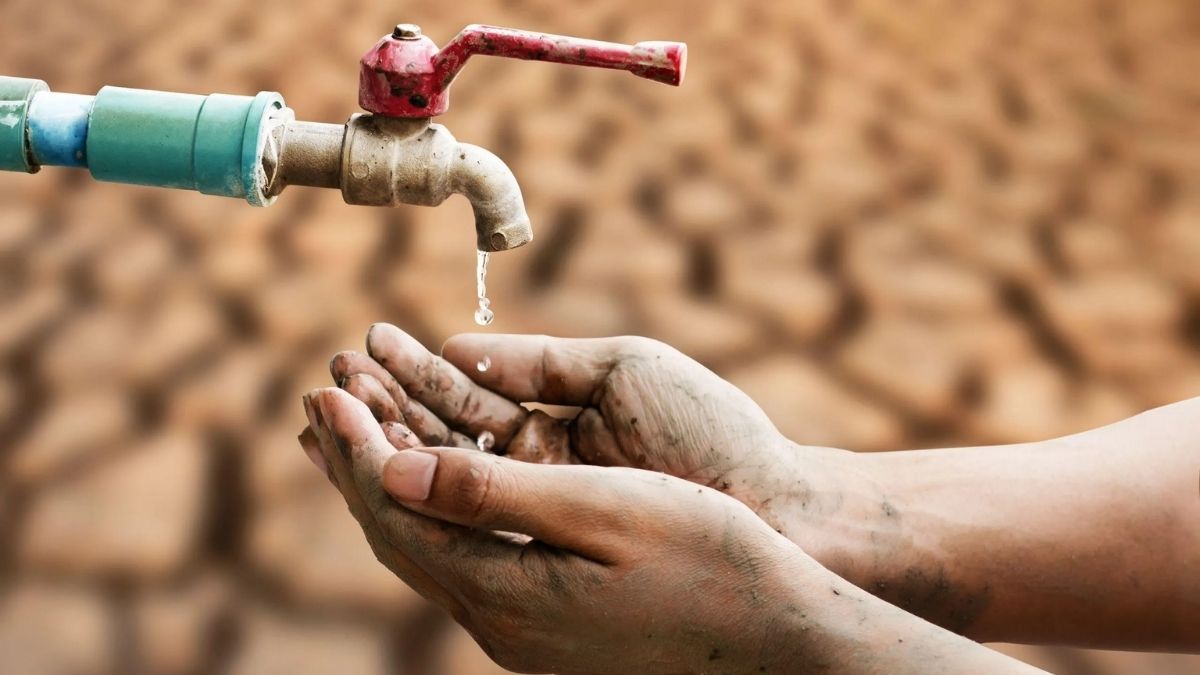
Water shortages aren’t just something happening in deserts anymore. They’re becoming a global issue, affecting cities, farms, and even entire countries. With climate change and population growth putting more pressure on our freshwater sources, the need for smart water management is growing fast.
One powerful and often overlooked solution? Water recycling. Let’s cut into how water recycling works and why it’s such a game changer in solving water scarcity.
Basics
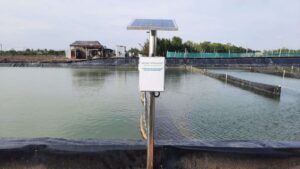
Water recycling, also known as water reuse, is the process of treating used water so it can be reused for different purposes. This isn’t just wastewater from toilets – recycled water can come from sinks, showers, industrial processes, and even stormwater. Once cleaned through advanced treatment systems, it can be reused for irrigation, industrial uses, or even as drinking water in some regions.
Unlike traditional water sources like rivers, lakes, or groundwater, recycled water is more reliable. It’s available no matter the weather. Whether there’s a drought or not, people are still producing wastewater, making it a constant source that we can treat and reuse.
Benefits
Recycling water reduces the demand on natural water bodies, which helps maintain river flows, groundwater levels, and overall ecosystem health. It’s like giving nature a break by using the same water more than once before it heads back into the cycle.
There’s also the economic benefit. Recycled water is often cheaper in the long run, especially for large-scale users like farms, factories, and parks. They save money by not needing fresh water for tasks that don’t require drinking-quality water, such as irrigation or cooling systems.
Process
So, how does it work? Water recycling involves several stages:
- Collection – Wastewater is collected from homes, businesses, and industries.
- Treatment – It goes through processes like filtration, disinfection, and sometimes advanced methods like reverse osmosis.
- Distribution – Once treated, the water is sent out for non-potable uses or, in some cases, treated to a level safe for drinking.
Here’s a simplified table showing treatment levels and uses:
| Treatment Level | Typical Use |
|---|---|
| Basic Filtration | Landscape irrigation, construction |
| Secondary Treatment | Industrial cooling, agriculture |
| Advanced Treatment | Potable reuse, groundwater recharge |
Savings
Water recycling also helps conserve energy. Pumping, treating, and transporting fresh water over long distances – like from rivers or reservoirs – requires a lot of energy. But using recycled water locally means less infrastructure and less energy burned. It’s a win-win for the environment and for utility bills.
Plus, communities that rely on local recycled water become more self-sufficient. They’re less vulnerable to droughts or regional water conflicts.
Challenges
Of course, nothing’s perfect. One big hurdle is public perception. Many people still have that “yuck” factor about reused water, especially if it’s for drinking. But the science and safety behind advanced water treatment is solid. In fact, recycled water often meets or exceeds the quality of traditional sources.
Another issue is cost. While it saves money over time, the initial investment in recycling infrastructure can be high. Cities need treatment plants, pipelines, and storage systems. But the return on investment comes through increased water security and reduced strain on aging water systems.
Future
As technology improves and water becomes scarcer, more places are investing in water recycling systems. Countries like Singapore and Israel are leading the way, treating and reusing a large portion of their wastewater. In the U.S., states like California and Arizona are expanding their water reuse programs to prepare for drier futures.
Smart cities of the future will likely treat wastewater as a resource, not a problem. With better tech, lower costs, and more public awareness, recycling water could become as normal as recycling paper and plastic.
Water recycling is more than a backup plan. It’s a practical, sustainable solution that helps communities, businesses, and ecosystems thrive even in times of scarcity.
By reusing water, we take pressure off natural sources, cut costs, and protect our future water supply. It’s time we start thinking of wastewater as a valuable resource – not waste.
FAQs
What is water recycling?
It’s the process of treating used water for reuse.
Can recycled water be safe to drink?
Yes, with advanced treatment it can meet drinking standards.
Is water recycling expensive?
Initial costs are high, but it saves money long term.
Where is water recycling used most?
Places like California, Israel, and Singapore lead in reuse.
Why is recycled water important?
It reduces shortages and eases pressure on natural sources.